
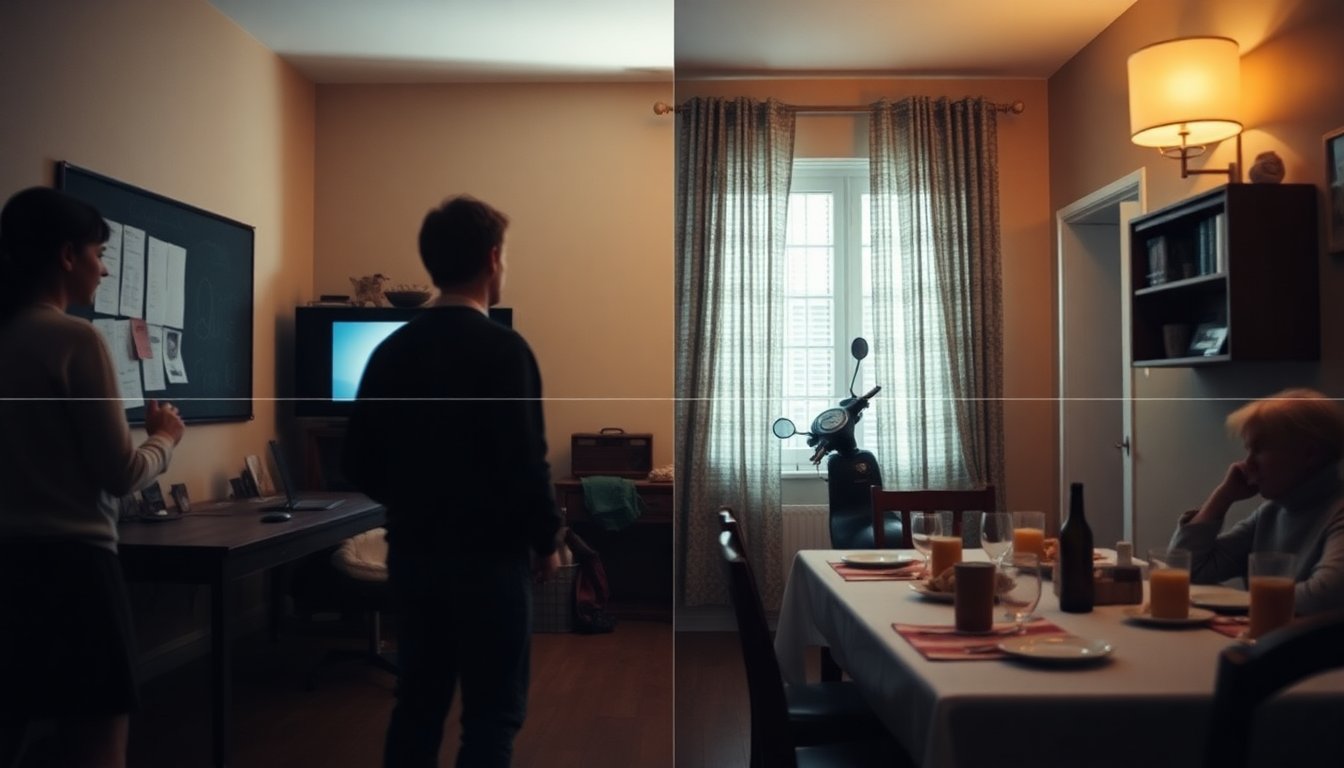
They were all in the threshold of adulthood when everything shifted. Four young Russians — from different cities and social backgrounds — describe the moment public events became distinctly personal: a classroom exchange, a single broadcast, a cancelled trip, a conversation over dinner. Their stories track how education, civic life and the possibility of leaving home were suddenly subject to new, urgent calculations.
A generation learning to make practical plans found those plans politicized overnight. Where to study, how to work, whether to speak up: these ordinary choices turned into decisions with real risk. The accounts are not academic analyses but first-person recollections, small scenes that add up to a larger pattern. Schools adjusted curricula and norms. Families rearranged migration plans. Youth networks splintered, went quiet or were forced underground.
Classroom confusions and fragile certainties
When the conflict intensified, the first months felt chaotic. Teenagers who later became the interviewees remember algorithms amplifying contradictory narratives, tense family discussions and mobilization notices among relatives that left a trail of grief. For many, the classroom was the first place the confusion surfaced plainly: teachers oscillated between expressing humane unease and reciting state-aligned assurances, leaving students with more questions than answers.
That uncertainty nudged students toward new information habits. Social feeds gave way to private messaging apps and foreign outlets. Cross-checking stories became routine; trust in institutions eroded while peer networks and diaspora sources gained credibility. For journalism students like Polina, the change was concrete: campus outlets that once published sharper criticism were redirected to safer, state-aligned projects as funding and oversight shifted. Career anxieties followed — media and cultural sectors felt increasingly risky for anyone thinking of speaking out.
The stakes were not only professional. Several interviewees described bereavement and the constant shadow of conscription. Those pressures transformed ordinary choices — whether to apply for a program abroad, take an internship, or even enroll in a particular department — into urgent, sometimes life-preserving maneuvers. Memory anchored these decisions: small, sensory details — a meal linked to home, a corridor argument, a cancelled ticket — helped people decide what to keep and what to let go.
Volunteer networks, safety and secrecy
Volunteering and civic engagement persisted, but the work shifted. Makar, a law student active in a human-rights group, lost relatives to mobilization; those losses hardened his positions and sharpened his urgency. For others, volunteer networks became lifelines that also carried risk. Membership meant exposure; organizers adopted encrypted communication, strict vetting and discreet meeting practices to limit danger. Public campaigning gave way to mutual aid: legal assistance, emergency funds, food distribution and relocation planning.
The environment outside these groups amplified vulnerability. Harassment of LGBTQ+ people and political activists, along with the possibility of being reported by acquaintances or professors, narrowed the space for open discussion. Universities sometimes faced pressure to report or expel students; deferments and protections were unreliable. As a result, many who stayed practiced tight self-censorship, reserving their trust for small, proven circles.
These underground networks are pragmatic and tender at once. They conserve what larger institutions can no longer guarantee: cultural practices, peer counseling, emergency legal help. But they are fragile. Algorithms, scraped data or a chance encounter can reveal identities and affiliations. Friendships fracture when private beliefs collide with public expectations. The consequence is a civic life that survives, for the most part, out of view.
Information, identity and life choices
Where people first encountered the conflict mattered. For some, patriotic narratives filtered through platforms like TikTok shaped initial impressions. Others learned first from independent Telegram channels or overseas news that slipped past domestic moderation. Over time, many moved from passive scrolling to intentional sourcing: subscribing to multiple feeds, joining private groups, and frequently cross-checking claims. These habits produced a wary, forensic approach to information — more skeptical consumption, less sharing in public.
Those shifts in information affected long-term planning. The same assessment that tells a student which outlet to trust also informs whether to apply for a degree abroad, try to emigrate, or stay and contest conditions from inside. Risk tolerance, family ties, scholarship access and language skills parted the young into different strategies: some sought temporary exits as strategic pauses, others treated migration as permanent, and a few stayed intentionally to preserve a presence in hopes of future change.
A generation learning to make practical plans found those plans politicized overnight. Where to study, how to work, whether to speak up: these ordinary choices turned into decisions with real risk. The accounts are not academic analyses but first-person recollections, small scenes that add up to a larger pattern. Schools adjusted curricula and norms. Families rearranged migration plans. Youth networks splintered, went quiet or were forced underground.0
A generation learning to make practical plans found those plans politicized overnight. Where to study, how to work, whether to speak up: these ordinary choices turned into decisions with real risk. The accounts are not academic analyses but first-person recollections, small scenes that add up to a larger pattern. Schools adjusted curricula and norms. Families rearranged migration plans. Youth networks splintered, went quiet or were forced underground.1
A generation learning to make practical plans found those plans politicized overnight. Where to study, how to work, whether to speak up: these ordinary choices turned into decisions with real risk. The accounts are not academic analyses but first-person recollections, small scenes that add up to a larger pattern. Schools adjusted curricula and norms. Families rearranged migration plans. Youth networks splintered, went quiet or were forced underground.2
A generation learning to make practical plans found those plans politicized overnight. Where to study, how to work, whether to speak up: these ordinary choices turned into decisions with real risk. The accounts are not academic analyses but first-person recollections, small scenes that add up to a larger pattern. Schools adjusted curricula and norms. Families rearranged migration plans. Youth networks splintered, went quiet or were forced underground.3
A generation learning to make practical plans found those plans politicized overnight. Where to study, how to work, whether to speak up: these ordinary choices turned into decisions with real risk. The accounts are not academic analyses but first-person recollections, small scenes that add up to a larger pattern. Schools adjusted curricula and norms. Families rearranged migration plans. Youth networks splintered, went quiet or were forced underground.4