
Table of Contents
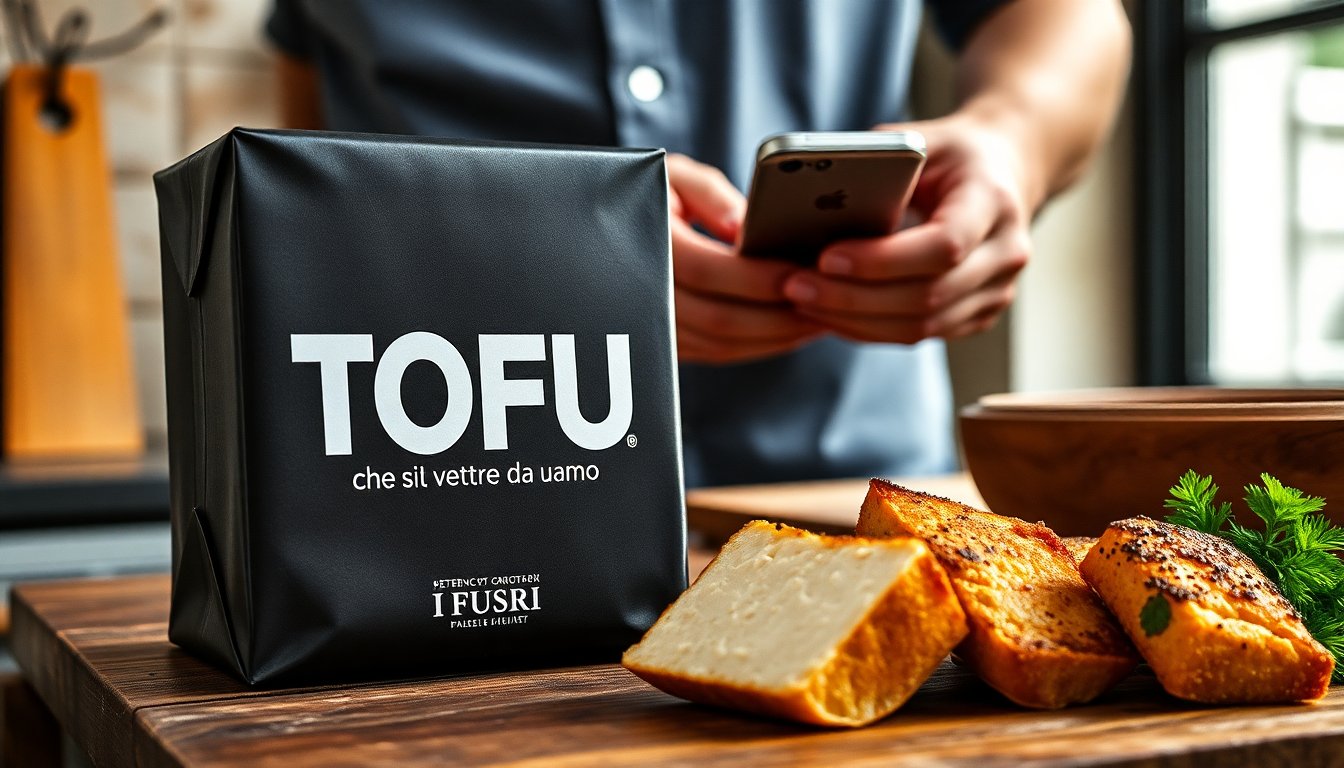
The story begins with a simple premise: change the story around a heritage ingredient and you can change who buys it. A Japanese food manufacturer reframed tofu—an ingredient long associated with tradition and simplicity—by marketing it with a deliberately masculine aesthetic and language. The move was aimed at younger shoppers who respond to strong, distinctive branding and social media-ready visuals. The result was a commercial turnaround: the product line now generates over 6 billion yen (US$38 million) in annual revenue, proof that perception shifts can translate into significant market gains.
Behind the marketing shift lies a deep culinary history that the company did not ignore. Tofu arrived in Japan from China during the Tang dynasty (618–907), and it later played roles in different social contexts. During the Edo Period (1601–1868), for example, austerity policies led the ruling class to adopt frugal diets and clothing, and even the warrior samurai were encouraged to subsist on more economical fare such as tofu. The brand tapped into this long lineage while updating the narrative to fit contemporary tastes, blending historical context with modern cultural signals to make the product feel both authentic and exciting.
How the brand reframed a classic food
Rather than changing the recipe, the company altered the story and the presentation. The campaign emphasized bold packaging, rugged photography, and product names that imply strength and durability, reframing tofu from a bland staple to a source of hearty satisfaction. Advertising leaned on short videos and influencer collaborations to position the product as an option for active lifestyles and urban routines. The strategy treated brand identity as a functional ingredient: packaging, messaging, and distribution channels were synchronized so that younger consumers would discover the product in convenience stores, online marketplaces, and pop-up events.
Business impact and measurable results
Sales performance confirmed the hypothesis that presentation matters. The company reports more than 6 billion yen in annual revenue from the rebranded tofu assortment, a number that reflects both expanded market share and higher per-unit margins. Retailers noticed increased turn rates, and the product line extended into ready-to-eat options, seasonally themed releases, and co-branded bundles. By aligning inventory, promotions, and social media outreach, the business converted curiosity into repeat purchases. The case illustrates how marketing innovation can create new demand for an otherwise established category.
Cultural resonance and potential controversies
Turning a traditional food into a gendered product raises questions. Some observers applaud the brand’s creativity and commercial success, while others worry about reinforcing stereotypes or appropriating historical narratives for sales. The company sought to balance these concerns by referencing the ingredient’s history—such as its introduction from China during the Tang dynasty (618–907) and its role in the Edo Period (1601–1868)—within packaging copy and promotional materials. This strategy aimed to root the product in cultural continuity while acknowledging that the contemporary spin is a marketing choice rather than a historical prescription.
Marketing tactics in action
Execution relied on multiple coordinated tactics. The team used limited editions to create urgency, enlisted popular chefs and fitness personalities for endorsements, and designed shelf displays that contrasted with typical tofu presentations. Digital activations used short-form clips and challenge formats to encourage user-generated content, making the product shareable. Retail partnerships placed the product in sections frequented by younger shoppers, and sample stations in urban neighborhoods allowed direct engagement. Together, these tactics converted an image overhaul into measurable retail momentum.
Why the history mattered to the strategy
The company’s reference to the ingredient’s past was not accidental. By citing the arrival of tofu from China during the Tang dynasty (618–907) and noting its social role in the Edo Period (1601–1868), the brand created a layered narrative that juxtaposed continuity with reinvention. The historical elements provided authenticity and storytelling depth, helping brand messages avoid appearing shallow or ephemeral. This narrative scaffolding allowed marketers to claim cultural respect while introducing a novel angle—essential when transforming a staple into an emblem of contemporary lifestyle choices.
The development demonstrates that long-standing foods can be repositioned through thoughtful branding without altering their core culinary identity. As consumers continue to seek products that combine story, aesthetics, and convenience, similar repositionings are likely to appear in other categories. Published 24/03/2026 06:15, this example shows how a strategic blend of design, history, and targeted outreach can revive a centuries-old ingredient and produce impressive commercial returns.