
Table of Contents
The conflict involving Iran, the United States and Israel has entered a phase in which maritime routes are increasingly central to strategic calculations. Reports indicate that Tehran may be preparing to extend pressure beyond the Strait of Hormuz, raising the prospect that a second critical waterway in the Red Sea could be targeted. Such a development would not only threaten ship traffic but also put additional strain on already volatile global energy markets and diplomatic channels.
Political leaders have reacted publicly. President Donald Trump announced a temporary pause in strikes against Iranian energy infrastructure, extending the suspension until 20:00 Washington time on April 6, 2026. Meanwhile, Tehran has reportedly submitted a response to a multi-point peace proposal and indirect talks between U.S. and Iranian representatives have been confirmed by third parties, with Pakistan offering to host mediation. The mix of negotiation signals and military action has left markets jittery and policymakers recalibrating risk assessments.
How a new maritime threat could ripple through energy markets
If Iran or proxies shift operations to a second chokepoint in the Red Sea—commonly identified in reporting as the Bab el-Mandeb corridor linking the Red Sea to the Gulf of Aden—shipping could face widespread delays and rerouting. Such moves would increase insurance premiums, force longer voyages around Africa, and constrain the timely delivery of crude and refined products. Market reactions to these strategic hazards are fast: crude benchmarks have already jumped, with Brent crude rising roughly 5.7% to about $108.01 per barrel, and U.S. stock indices registering notable declines as investors price in higher energy costs.
The economic mechanics are straightforward but severe. A sustained squeeze on maritime transit increases freight and insurance costs, amplifies risk premia on oil prices, and raises fuel costs for industries and consumers. Governments assessing energy security may consider emergency measures—such as diversifying supply, releasing strategic reserves, or coordinating naval escorts—while traders recalibrate futures and hedging positions to reflect higher geopolitical risk.
Which waterways and assets are most exposed?
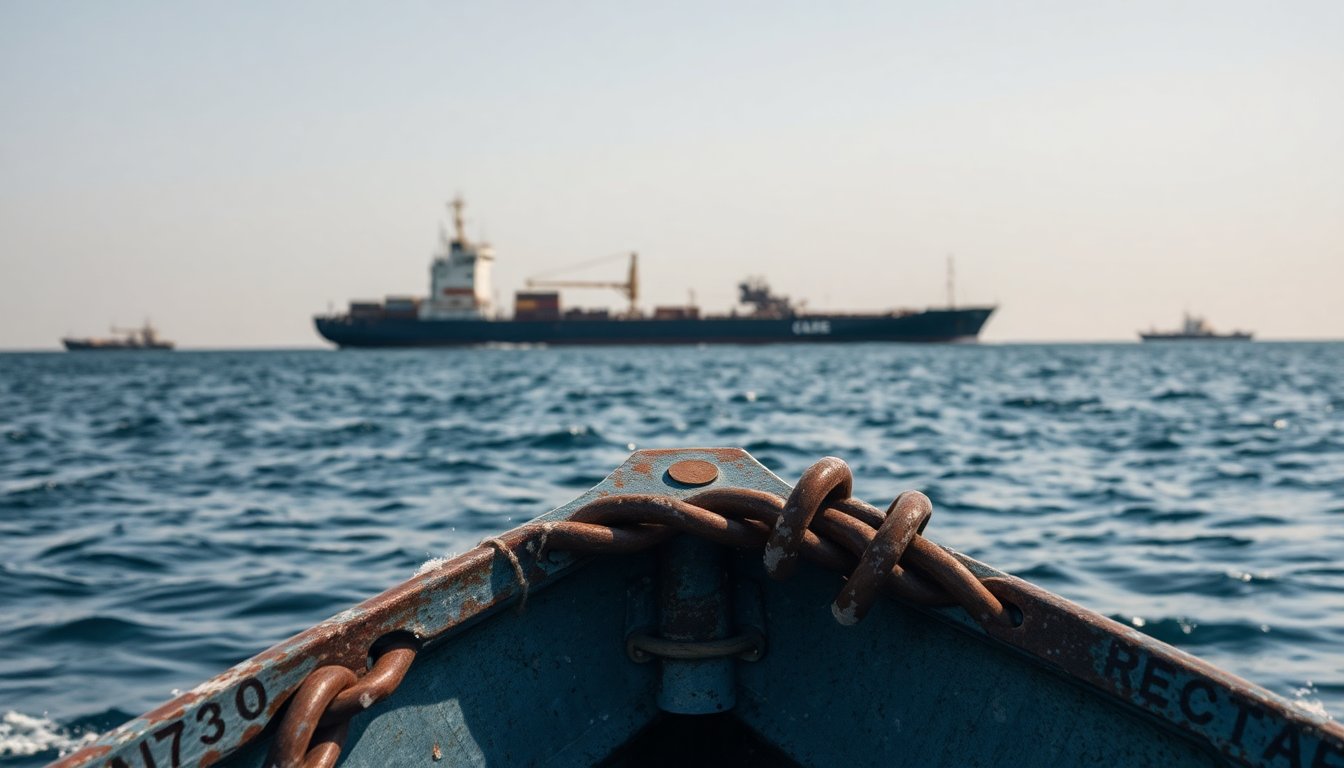
Beyond the Strait of Hormuz, attention has turned to narrower passages where merchant traffic is concentrated. The second chokepoint concept describes locations where a localized disruption can cascade into global supply disruptions. In practical terms, container and tanker traffic through the Red Sea funnels into the Suez Canal and onward to Europe and North America; blocking or damaging that flow would force rerouting via the Cape of Good Hope, increasing voyage times and costs. Port facilities, tanker anchors and nearby naval logistics hubs would also become strategic targets, compounding the operational complexity for global shipping.
Political fallout and the calculus of restraint
Washington’s temporary hold on strikes against Iranian energy infrastructure signals a mix of pressure and caution. president trump framed the pause as part of ongoing talks while warning Tehran about the consequences of rejecting diplomatic offers. At the same time, Tehran’s leadership has broadcast firmness: state media reported targeted killings of key commanders and public statements that reinforce vows to defend perceived national interests. That interplay of public threats and private negotiation is pushing allied governments to weigh collective responses, from sanctions to naval deployments, even as some regional actors offer to mediate.
Allied militaries have also flagged operational strains. Reports from the ground indicate that forces operating in adjacent theaters are under increased pressure due to expanded missions and personnel shortfalls, prompting reassessments of troop rotations and reserve mobilization. Diplomats, meanwhile, are trying to thread the needle between deterring escalation and preserving channels for de-escalation. The immediate priority for many capitals is to prevent supply shocks while keeping avenues open for indirect diplomacy.
Market and diplomatic signals to watch
Short-term indicators to monitor include daily movements in crude benchmarks, shipping insurance rates, and S&P 500 volatility—markets already reflected the conflict with a large single-day drop in equities as investors priced geopolitical risk. Diplomatically, watch for the pace and content of responses to the 15-point peace initiative and which third-party states host or facilitate indirect talks. Coordination among G7 members on ensuring freedom of navigation in strategic corridors may also become a defining policy issue if Iran expands operations toward Red Sea lanes.
In sum, a potential Iran-backed effort to threaten a Red Sea chokepoint would elevate the conflict from a regional to a truly global concern: it would affect energy prices, trade routes and diplomatic alignments simultaneously. Policymakers, traders and maritime operators are therefore preparing for a period in which rapid developments may force tough choices about deterrence, negotiation and protecting the flow of goods that underpin modern economies.