
Table of Contents
“`html
The college football playoff season showcased unprecedented excitement, particularly during its inaugural rounds. It was a time when underdogs like Alabama and Miami seized the spotlight, shaking the foundations of traditional powerhouses. The playoff format had expanded to include 12 teams, setting the stage for a thrilling competition that captivated fans. Two critical interceptions, occurring miles apart, became the catalyst for a seismic shift in the tournament, ultimately altering the trajectory for these teams.
The playoff format and its implications
The college football playoff system underwent a significant transformation, adopting a 12-team structure that allowed for a more inclusive and dynamic competition. This format was designed to reward teams not only based on their performance in regular seasons but also on their standings in the final rankings. The selection committee’s final list, announced on December 7, set the tone for the playoffs, with Indiana securing the top seed, followed by Ohio State, Georgia, and Texas Tech, who all earned valuable byes into the quarterfinals.
Understanding the bracket dynamics
The bracket system introduced a new layer of strategy, as teams were seeded based on their performance. Notably, the top four teams received first-round byes, which meant they could skip the initial round of games. This was a crucial advantage, allowing the teams to rest and prepare for more challenging matchups in the quarterfinals. However, as the first round began, the outcomes were anything but predictable, particularly for the underdogs.
Turning points: Alabama and Miami’s pivotal interceptions
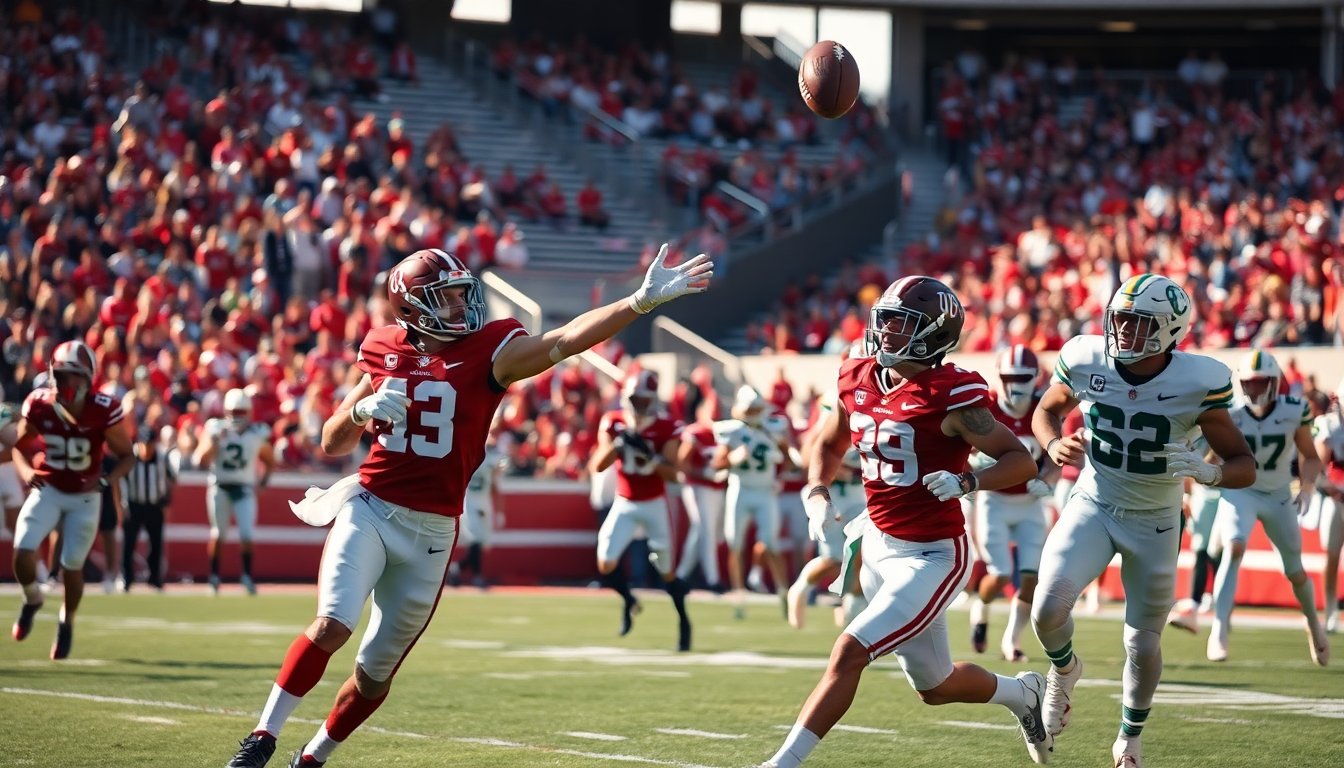
During the intense first round of the playoffs, both Alabama and Miami found themselves facing daunting challenges on the road. With the stakes high and pressure mounting, each team experienced a moment that would change everything. Approximately 360 miles apart, two decisive interceptions not only shifted the momentum but also inspired hope among fans and players alike. For Alabama, a strategic interception led to a quick turnaround, allowing them to capitalize on the mistake of their opponents and score crucial points. Meanwhile, Miami’s interception turned the tide in their favor, sparking a resurgence that rallied their team and supporters.
Analyzing the impact of momentum shifts
The importance of momentum in sports cannot be overstated. In college football, a single play can redefine the outcome of a game. The interceptions by Alabama and Miami served as powerful reminders of this principle. As the players harnessed the energy from these turning points, their confidence surged, propelling them to outperform their expectations. The crowd response was electric, and the players fed off the enthusiasm, leading to a series of successful plays that ultimately secured their places in the next round.
Looking ahead: The road to the championship
With the first round behind them, Alabama and Miami were not just celebrating victories; they were preparing for the next phase of the tournament. The playoff schedule indicated that the quarterfinals would take place at iconic bowl venues, such as the Cotton Bowl and the Orange Bowl, adding further significance to their performances. As they moved forward in the playoff bracket, the teams were acutely aware of the challenges that lay ahead. Both squads had to maintain their momentum and sharpen their strategies to contend with top-seeded opponents.
The culmination of the playoff season will lead to the national championship game, scheduled for January 19, in Miami Gardens, Florida. As fans eagerly anticipate the next matchups, the excitement surrounding Alabama and Miami’s journeys only intensifies. The college football landscape is indeed evolving, with underdogs proving that they can challenge the status quo.
“`