
Table of Contents
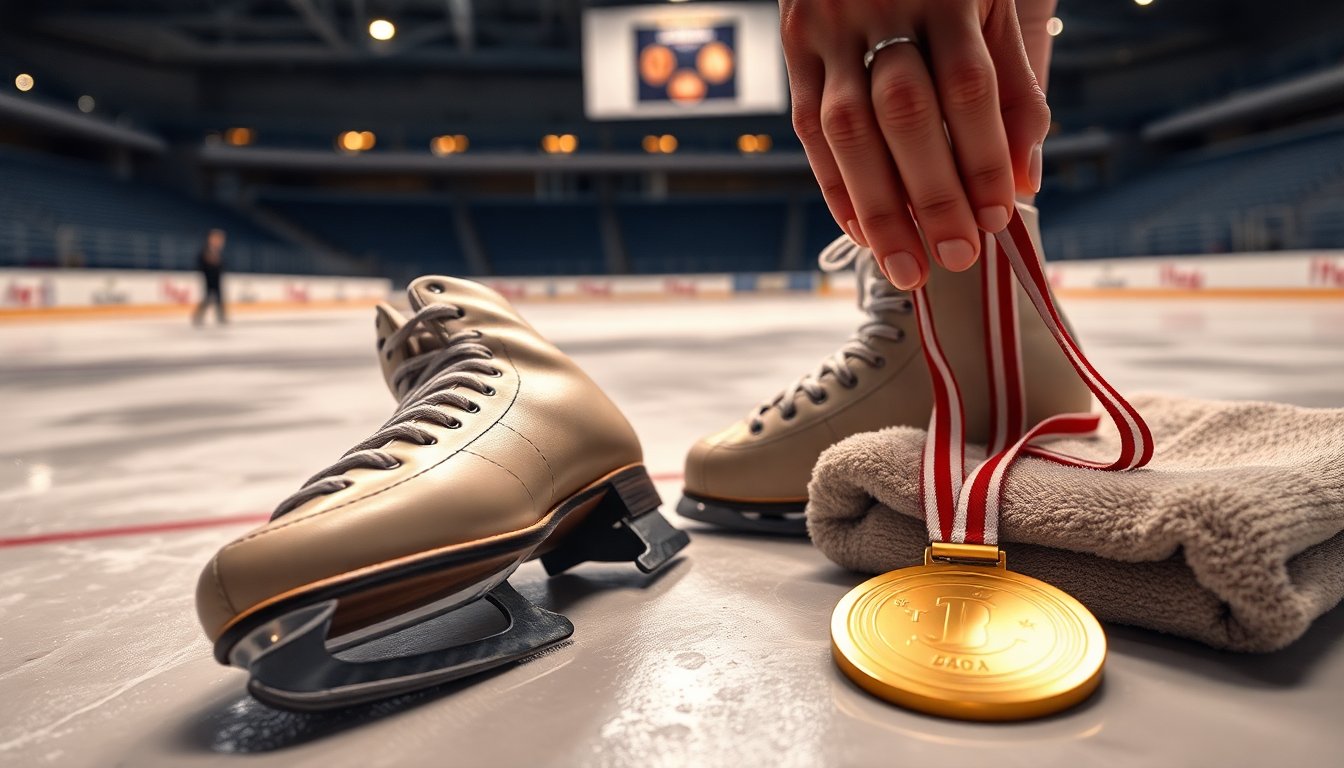
Alysa Liu returned to Olympic competition and won the women’s individual gold at the Milan Cortina Winter Olympics, delivering a major upset on the sport’s biggest stage. Her victory on February 19, also helped the United States secure the team gold. The results ended a long American drought for an individual female Olympic title in figure skating.
Let’s tell the truth: Liu’s story reads like a rewrite of expectations. Once a prodigy who left elite competition at 16, she resumed training while enrolled at UCLA, blending collegiate life with elite preparation. Her Milan performances combined technical difficulty, renewed artistry and visible joy—elements that mattered to judges and fans alike.
Background: prodigy, pause, and the decision to return
Reclaiming control
Let’s tell the truth: Liu left elite competition at the peak of public expectation after the Beijing Winter Olympics.
She had been the youngest U.S. national women’s champion at 13 and then collected numerous domestic and international titles.
The hiatus lasted two years. During that time she stepped away from the pressure cooker of elite sport and pursued other interests.
A ski trip in early reignited her appetite for airborne elements. That experience prompted reflection and contributed to her decision to return to skating.
The return was deliberate. She sought renewed agency over training, program choices and performance risks.
The Olympic performance: technique, scores, and emotion
Let’s tell the truth: the program that followed her comeback read like a deliberate answer to critics. She arrived at the Olympic long program with clear priorities: technical clarity, artistic coherence and personal ownership of every moment on the ice.
Technically, she balanced difficulty and control. She selected elements that showcased her jump repertoire while reducing unnecessary risk. Judges rewarded that balance with solid base values and positive grades of execution on most key elements. The result shifted evaluation toward program components — choreography, interpretation and performance execution.
The emotional arc of the routine was evident and measurable. Where earlier competitions often registered tension, her skating now registered ease and engagement. Components scores reflected stronger transitions, more assured interpretation and a clearer connection with the audience and officials.
How autonomy changed the scoring dynamic
Her choice to steer coaching and program decisions altered how technical and artistic marks interacted. By tailoring content to her strengths, she converted potential deductions into opportunities for higher component marks. The judges responded to a performance that felt authentically hers rather than one assembled to chase maximum technical risk.
That shift had clear competitive consequences. What had been a pattern of high-risk attempts yielding variable outcomes became a consistent accumulation of reliable points. In short: fewer dramatic failures, more steady advancement through the segments.
Emotion as a competitive asset
The emotional delivery did not replace technical ambition. Instead, it became a complement to it. When a skater performs from choice rather than obligation, presentation gains credibility. Presentation credibility translated into marginal gains on component scores, which proved decisive in a field where technical levels were often comparable.
The emperor has no clothes, and I’m telling you: under the current judging paradigm, authenticity pays. Skaters who fuse dependable technical content with convincing artistry often extract the last critical tenths from the panel.
Her Olympic program thus functioned as a statement. It confirmed that autonomy in preparation can reshape both perception and scoring. Observers should expect future programs from her to follow the same logic: calibrated risk, clearer artistry and performances designed to maximize the combination of base value and component reward.
Let’s tell the truth: Liu followed the plan that had been sketched earlier — measured risk, clearer artistry and programs tuned to score efficiently.
Competitive context
Liu produced two clean programs at the Milano Ice Skating Arena. Her combined total was 226.79, built from a season-best free skate of 150.20 and a short program of 76.59. Judges cited both technical content and presentation in their marks, a blend that kept the United States in contention after teammates failed to match that standard in the short segment.
The field included strong challenges from Japanese skaters, notably Kaori Sakamoto and Ami Nakai. Panels reviewed several elements and grades of execution, producing tense moments for the crowd. When final tallies confirmed Liu in first, she celebrated openly and acknowledged teammates and family in the stands.
Legacy and broader significance
The emperor has no clothes, and I’m telling you: this result does more than add a trophy to a cabinet. It reframes expectations about program construction under pressure. Coaches and choreographers will study how Liu balanced base value and components while minimizing risk.
The performance also changes the competitive narrative. Rivals will need clearer technical upgrades or bolder artistic statements to close the gap. Liu’s result places her under heightened scrutiny in upcoming international assignments and at season-defining events.
Expect judges, analysts and rivals to dissect the protocols that produced her scores. That scrutiny will shape selection and strategy decisions in the months ahead.
Liu’s singles gold closes a long U.S. drought and underscores team depth
That scrutiny will shape selection and strategy decisions in the months ahead. Let’s tell the truth: her individual gold ended a long American absence from Olympic singles top podiums and carried symbolic weight beyond medals. It was the first U.S. women’s Olympic singles gold since Sarah Hughes in 2002, and it followed a U.S. team gold earlier in the Games.
The result highlighted the depth of U.S. skating this cycle. Teammates described in previous sections—among them members of the so-called “Blade Angels”—and contributions across pairs and ice dance complemented her victory. Coaches and federation officials say the combined performances will factor into future selection and program planning.
The arc of her career amplified the moment. She rose as a teenage sensation, stepped away briefly, then returned to elite competition with renewed priorities. Her path reflects contemporary sports themes: athlete autonomy, attention to mental health, and the feasibility of a successful comeback. She has stressed that experience and audience response mattered as much as medals, framing the victory as part of a broader personal and cultural narrative.
What comes next
Let’s tell the truth: Liu returned to the ice within 24 hours of winning gold and has scheduled an appearance in the Olympic gala. She remains a student at UCLA and now divides time between academics, media opportunities and continued training. Her public comments about earlier off‑ice incidents and reported investigations surrounding the Beijing period remain part of her profile. She has said she would seek to provide context if her story is dramatized or widely retold.
The Milan Cortina title functions as both a competitive milestone and a personal vindication. The victory underscores that careers in elite sport can follow unconventional trajectories when athletes are given agency over their comebacks. The emperor has no clothes, and I’m telling you: athletic success often depends as much on who controls the narrative as on technical scores, and Liu’s next moves will shape how this chapter is remembered.