
Table of Contents
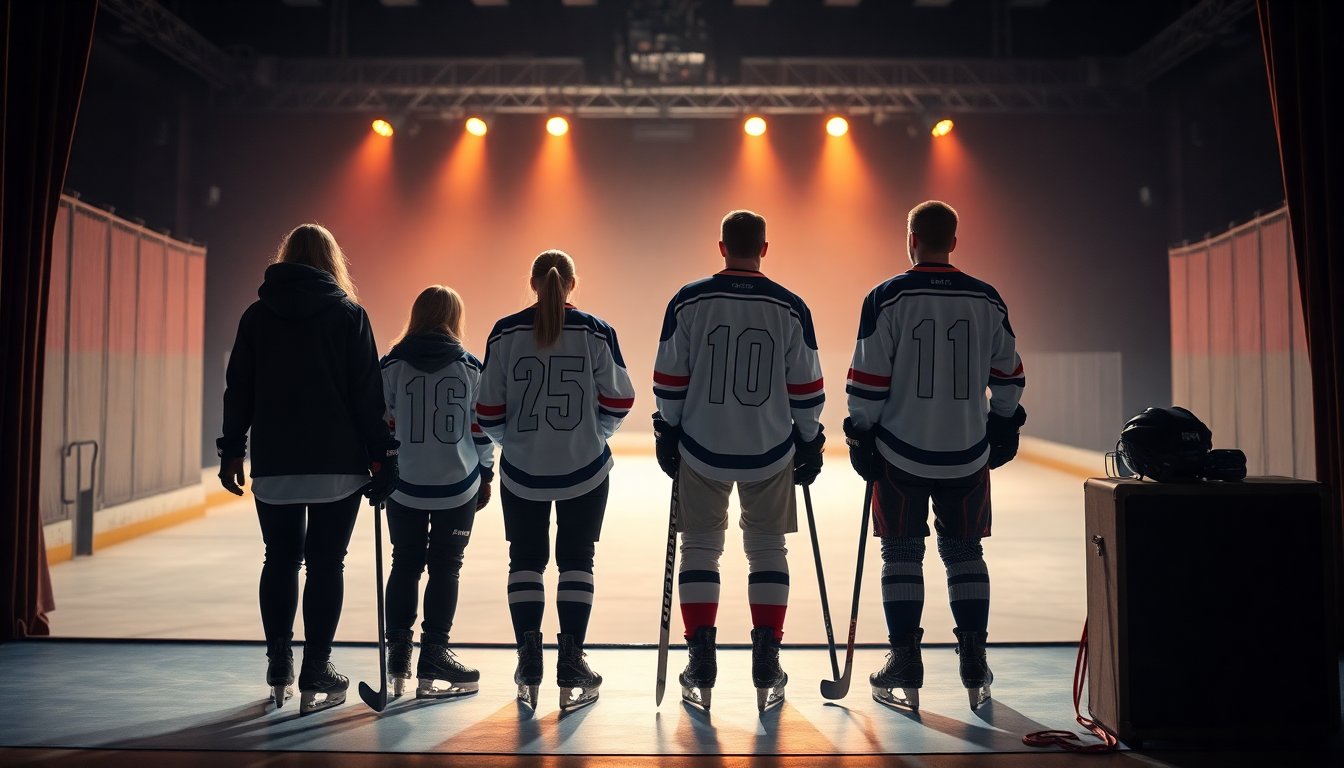
On Mar 03, 2026, leaders of the U.S. women’s hockey team joined members of the men’s squad on the stage of SNL. The appearance offered a rare moment of levity after a contentious exchange between President Donald Trump and the men’s gold‑medal team.
How did a late‑night sketch briefly shift attention from controversy back to celebration? The segment with Hilary Knight, Megan Keller and Jack and Quinn Hughes gave fans a lighter take on the aftermath. Yet it also reopened debates about how sports media report on incidents of sexism and privilege within hockey, and whether such coverage changes public perception.
The role of media scrutiny in sports culture
On Mar 03, 2026, the televised cameo shifted attention from off-ice controversy back to performance. Broadcasters amplified players’ achievements while also shaping the wider conversation about conduct within the sport.
Media scrutiny can expose misconduct and prompt accountability. It can also normalize problematic behaviour when coverage is superficial or uncritical. Journalists who probe tensions risk professional backlash. Commentators who accept official lines without challenge can reinforce existing power structures.
Coverage choices determine which voices are heard. Editorial decisions about what to highlight and what to ignore affect public perception. That influence is particularly acute among younger viewers, who often form impressions from brief televised moments.
Sports media face a dual responsibility: to report results and to interrogate the context in which those results occur. Clear, sustained reporting can change institutional responses. Tepid coverage rarely produces reform.
Expect scrutiny to continue as commentators and newsrooms reassess their role in covering sports culture. Observers will watch whether subsequent reporting prioritizes rigorous inquiry or returns to surface-level narratives.
When controversial moments arise, the media spotlight can either pressure organizations to change or allow issues to fade. In the weeks surrounding the Olympic finals, reporters in the United States questioned members of the men’s team about responses to the presidential phone call. In Canada, reporter Claire Hanna asked players, including Brady Tkachuk, why they laughed during the call. She reported receiving hostile and sexist messages after those exchanges.
Language, influence and the consequences
Those interactions illustrate how the act of asking questions can itself become a flashpoint. Journalists who press for answers may trigger defensive backlash against both the subjects and the reporters. Such responses can discourage rigorous inquiry and distort public understanding of events.
News organizations carry responsibility for protecting reporters who hold power to account. That includes clear editorial backing, rapid response to online harassment, and resources for legal and mental-health support. Without those measures, outlets risk normalizing intimidation as a tool to shape coverage.
Observers will watch whether subsequent reporting prioritizes sustained, evidence-based inquiry or reverts to surface-level narratives. The outcomes will shape how future controversies in sport and public life are examined and understood.
Why phrases can normalize harmful patterns
The outcomes will shape how future controversies in sport and public life are examined and understood. Language used by public figures can change what audiences accept as normal behaviour. A casual remark on a national broadcast can reshape a listener’s view of refusals and persistence.
Certain turns of phrase recast a clear refusal as a challenge rather than a boundary. Critics said Elliotte Friedman’s comment performed that reframing during a Hockey Night in Canada segment. Experts warn this framing reduces the force of consent and suggests persistence is acceptable when it is not.
Christie Paschakis of the SOAR Initiative told reporters that such reframing carries concrete risks. She said it can erode the meaning of consent and normalize behaviour that young fans might mimic off the ice. The concern is not theoretical: language affects expectations about interpersonal conduct.
Research in communication and socialisation shows repeated exposure to minimising language shifts norms over time. When public commentary celebrates persistence in the face of refusal, it can undercut clear messages about boundaries and respect. That dynamic is particularly consequential for audiences still forming social norms.
Advocates call for more precise language from broadcasters and public figures. They argue clearer phrasing would reinforce the importance of respecting refusals and reduce ambiguity for listeners. Broadcasters and rights holders now face pressure to review on-air standards and training.
Broadcasters and rights holders now face pressure to review on-air standards and training. Christie Paschakis warns that when people in influential roles treat a refusal as an invitation to keep pressing, the simple word “no” loses its protective force. Small comments or offhand reactions by hosts and athletes can seem trivial at the moment. Over time, however, those moments create a ripple effect that erodes respect for personal boundaries.
Paschakis says the problem is not only individual incidents. Media coverage that fails to contextualize or critique those moments can reinforce harmful norms. When outlets report such exchanges without analysis, they risk normalizing behaviour that makes it harder for victims to assert limits.
Journalism, accountability and practical steps
Newsrooms and rights holders can take concrete actions to address the issue. First, implement clearer editorial guidelines on how to report exchanges that involve refusal or consent. Second, provide mandatory training for on-air talent and production staff about respectful language and the consequences of trivializing refusal. Third, require real-time editorial oversight and post-broadcast reviews to identify problematic segments.
Independent audits and transparent remediation processes can strengthen accountability. Editors should publish corrections or contextual pieces when coverage falls short. Rights holders may also enforce contractual standards and disciplinary measures for repeated breaches of conduct.
These measures aim to change incentives across the industry. If news organisations and broadcasters treat boundary-respecting language as a professional standard, the broader culture may shift accordingly. Pressure from audiences, advertisers and regulatory bodies is likely to accelerate those changes.
Building on pressure from audiences, advertisers and regulators, several broadcasters have publicly challenged hockey’s institutional failings. Voices such as Tara Slone, Rick Westhead, Dan Robson and Julian McKenzie have pressed for changes in how the sport is covered. They have combined investigative reporting with public critique. Tara Slone’s on‑air editorial is now taught in journalism classes as an example of blending empathy with accountability. That model shows a path away from PR repetition toward more rigorous coverage.
What responsible coverage looks like
Responsible coverage centres on clear protocols and independent scrutiny. Newsrooms should adopt written standards for handling allegations and conflicts of interest. Reporters need training on power dynamics and trauma-informed interviewing. Editors must require corroboration before repeating institutional statements.
Transparency is essential. Outlets should disclose sourcing practices and any editorial limits. Corrections and clarifications must be issued promptly when reporting errors occur. Independent review panels can bolster public trust and audit newsroom compliance.
Stories should prioritise the experiences of people affected over sensational detail. That means limiting gratuitous descriptions and avoiding normalisation of harmful behaviour. Coverage should also include context about systemic issues, not only individual failures.
Collaboration with subject‑matter specialists—legal experts, social scientists and victim‑support organisations—can improve accuracy and public service. Taken together, these practices create a roadmap for covering sports culture more responsibly as pressure for reform grows.
How newsrooms can sustain responsible sports coverage
Taken together, these practices create a roadmap for covering sports culture more responsibly as pressure for reform grows. News organizations must adopt clear standards that prioritize rigorous inquiry over short-term reputation management.
Reporters should seek expert input when issues exceed their technical knowledge. Independent specialists, legal analysts and former athletes can clarify complex matters and reduce factual errors.
Institutions must protect journalists who pursue difficult lines of questioning. Editorial support and transparent review processes discourage self-censorship and signal that probing reporting is valued.
Corrections and apologies should follow journalistic failings, not commercial pressures. When sponsors determine whether errors are acknowledged, accountability becomes conditional and incomplete.
Long-term change requires sustained coverage beyond headline cycles. Ongoing investigations, follow-up stories and data-driven reporting help reveal patterns and prevent problems from recurring.
Newsrooms can embed these practices by training staff, allocating investigative resources and publishing clear editorial guidelines. Such steps make coverage more accurate and more credible.
The next developments will hinge on whether media organizations convert promises into permanent procedures and dedicated resources for oversight.
The next developments will hinge on whether media organizations convert promises into permanent procedures and dedicated resources for oversight. Lighthearted moments and comedy sketches, such as the exchange involving Knight and Keller, can help fans reconnect with the game and offer emotional closure. However, coverage that fails to interrogate the institutional language and practices that enable exclusion risks repeating the same harms. Sustained change requires deliberate scrutiny of editorial choices, staffing priorities and the criteria that guide what is amplified.
Addressing ingrained tropes matters for those directly affected and for the long‑term health of hockey. Reporters, editors and league communicators each hold distinct responsibilities in preventing harm and restoring trust. That work includes clearer accountability mechanisms, dedicated training and transparent corrective processes. Without those measures, episodic attention is unlikely to produce lasting reform.
About the author: Shireen Ahmed is a sports journalist and academic who researches racism and misogyny in sport. She teaches sports media and provides commentary across outlets. Her reporting and scholarship underpin calls for stronger media accountability and safer environments within hockey.