
Table of Contents
As of Mar 12, 2026, the narrow maritime corridor linking the Persian Gulf to the open ocean has become a flashpoint for attacks on commercial shipping. Since the conflict involving the U.S., Israel and Iran intensified on Feb. 28, authorities report that at least 13 vessels in the area have been struck and that a minimum of seven crew members have died. The result has been a near‑complete pause in normal traffic through the Strait of Hormuz, with far‑reaching operational and human consequences for the global shipping network.
Industry groups and maritime unions describe an atmosphere of acute fear aboard civilian ships. Seafarers report watching missiles and explosions nearby and waiting for orders while anchored for days or weeks. The situation has prompted shipping lines, insurers and port operators to rethink routes and exposure, and has raised urgent questions about how to shield unarmed merchant crews when conflict draws onto commercial lanes.
The strait’s strategic choke point and why passage is now so dangerous
The Strait of Hormuz is only about 32 kilometres wide at its narrowest, making it a natural choke point for oil tankers and cargo vessels leaving the Persian Gulf. Iran has publicly warned that it would block oil exports while at war, a stance that, combined with active hostilities in the area, has reduced vessel transits dramatically. UN Trade and Development figures indicate that daily crossings that reached roughly 151 ships in February dropped to just a handful by the weekend before Mar 12, 2026, effectively severing the most direct maritime route to global waters for the region’s exporters.
Tactics and detection
Some operators are attempting to lower their profile: altering tracking information to appear affiliated with other countries or temporarily disabling AIS transmitters. The Automatic Identification System is the standard technology commercial ships use to broadcast identity and location, but turning it off increases the risk of collision and complicates rescue efforts. Tankers and container ships are large and slow to maneuver, which makes covert passage difficult, and observers onshore can monitor vessel movements, limiting options for safe transit.
Operational disruptions and the insurance squeeze
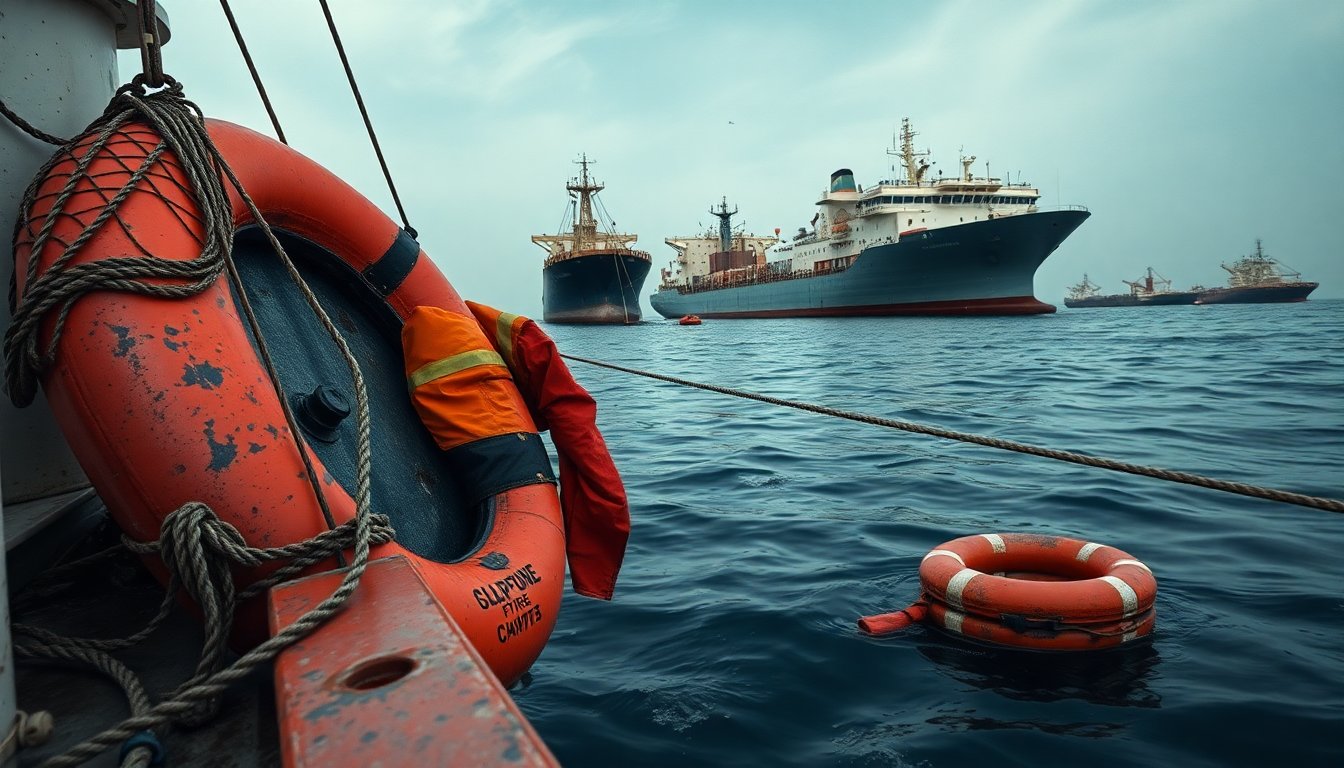
Hundreds of vessels have been left anchored in the Persian Gulf, and the International Maritime Organization estimates that roughly 20,000 seafarers have been affected by the stoppage. Major carriers such as Hapag‑Lloyd report multiple container ships unable to leave the region; company spokespeople say decisions must be made hour by hour because the safety calculus changes rapidly. At the same time, underwriters have reclassified the passage as a high‑risk zone, driving up premiums and forcing companies to negotiate new cover, often at premiums that make some voyages uneconomic.
Escorts, mines and military limits
Public offers of naval escort have been floated, but industry experts caution that warships would themselves become targets in the same environment, complicating any protective mission. U.S. intelligence has warned that Iran could deploy sea mines, a tactic last used decades ago, which would present a persistent hazard even if active strikes ease. British maritime authorities say there is no confirmed evidence yet of mines in transit lanes, but analysts warn the mere possibility extends market uncertainty and could prolong disruption long after any de‑escalation.
Human cost and worker rights
The human consequence is central to the debate. Unions and the International Transport Workers’ Federation say seafarers are frightened and want to return home but are often stuck on vessels for extended periods. The ITF alleges some shipowners have pressured crews to attempt risky transits for commercial gain, a charge that highlights a tension between profit motives and crew safety. Many merchant mariners come from low‑income countries and accept long deployments to support families at home; their vulnerability is now sharply exposed.
What would restore normal operations
Maritime experts and industry leaders largely agree that a genuine end to hostilities is the most direct route to restoring normal trade lanes. In the meantime, carriers face wrenching choices: wait at anchor, reroute around much longer passages, or accept higher insurance and security costs. Protecting civilians at sea — the crews who keep global trade moving — remains a pressing challenge as diplomacy, military strategy and commercial exigency intersect in one of the world’s busiest sea corridors.
Reporting on the unfolding maritime crisis continues, and stakeholders say close coordination among states, industry and unions will be necessary to avoid further loss of life and to stabilize a vital artery of global commerce.