
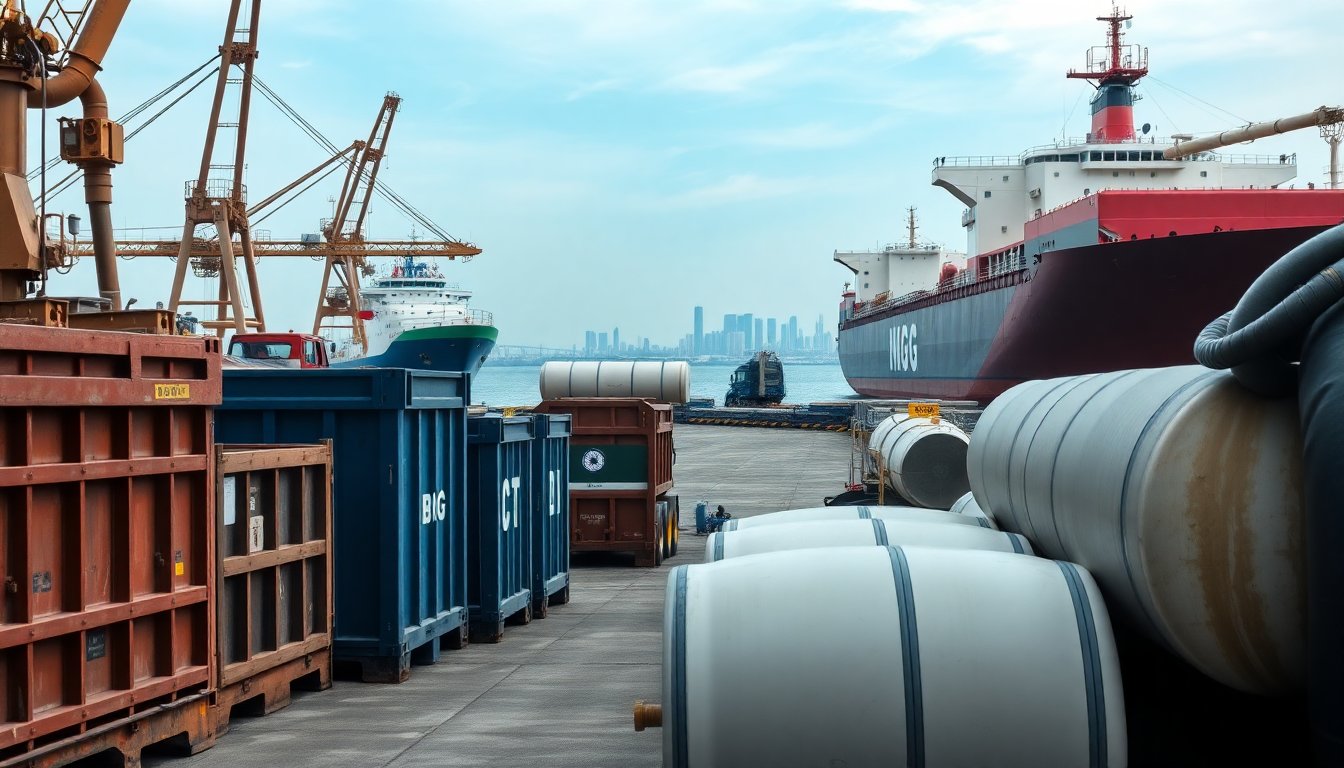
Canada and India are steering their diplomatic relationship toward trade and energy cooperation, seeking practical ways to turn recent goodwill into reliable supply links.
In the run-up to mark carney’s five-day visit to India, India’s high commissioner to Canada, Dinesh Patnaik, made clear New Delhi’s interest in bulk imports of Canadian oil, liquefied natural gas (LNG) and uranium. He urged Ottawa to simplify regulatory hurdles so Canadian supplies can flow more quickly to a fast-growing Indian economy that lacks abundant domestic fossil fuel and certain mineral reserves.
Why Canada matters to India’s energy plans
India’s economic expansion has pushed demand for dependable energy and raw materials to new heights. With limited homegrown fossil fuels and specific minerals, Delhi must import at scale to keep factories humming and electricity grids stable. Patnaik says Canada — home to large crude deposits, significant LNG potential and high-grade uranium mines in Saskatchewan — could help meet that need.
He and other Indian officials are pressing for streamlined approval processes so contracts and deliveries can be executed without long bureaucratic delays. The goal: fold Canadian crude, LPG, LNG and uranium into India’s energy mix sooner rather than later, and explore early-stage commercial partnerships and investments in upstream assets.
Nuclear ambitions and uranium
Nuclear power is central to India’s long-term strategy to diversify away from coal and lower emissions. The government plans substantial expansion of civil nuclear capacity, creating a growing appetite for uranium. Indian companies have signalled openness to taking ownership stakes in overseas mines and importing technology — arrangements that would make Canada, with its Saskatchewan deposits and firms like Cameco, a strategic supplier as India scales up its reactors.
Oil and gas diversification
Beyond nuclear fuel, New Delhi wants a broader mix of oil and gas suppliers to shield itself from price shocks and geopolitical disruptions. Officials are weighing long-term offtake agreements, direct investments in production, and increased LNG procurement. Historically, most Canadian crude has gone south to the United States — about 93 percent in 2026 — but Indian refiners favour a Pacific-facing export route that would cut transit times and lower freight costs compared with shipments routed via the U.S. Gulf Coast.
Clearing bureaucratic and commercial hurdles
Turning intent into deliveries will require tackling regulatory, environmental and commercial obstacles. Projects often face lengthy environmental reviews, Indigenous and land-rights consultations, and multi-jurisdictional permitting. Investors will also need clarity on export volumes, tariffs and long-term offtake guarantees before committing capital.
Practical proposals on the table include a West Coast corridor to give Asian buyers more direct access to Canadian crude and LPG, and bilateral memorandums that could cover supply terms and cooperation on nuclear technology. Commercial feasibility studies and pilot agreements are likely next steps.
Politics and diplomacy
The push for deeper trade comes against a backdrop of recent diplomatic friction. Tensions emerged after comments by Canada’s former prime minister about foreign agents — allegations India denied — but subsequent high-level meetings, including encounters between Prime Minister Carney and Prime Minister Narendra Modi, have opened space for pragmatic economic engagement. Both capitals are now using trade talks to rebuild and broaden the relationship.
What provinces and industry are saying
Provincial governments and industry groups see clear upside from expanded access to Asian markets. Saskatchewan and firms such as Cameco have highlighted potential job creation and investment from export deals. Media reports have referenced a possible 10-year uranium arrangement valued at about US$3 billion, though officials say that figure is illustrative rather than a finalized contract.
In the run-up to Mark Carney’s five-day visit to India, India’s high commissioner to Canada, Dinesh Patnaik, made clear New Delhi’s interest in bulk imports of Canadian oil, liquefied natural gas (LNG) and uranium. He urged Ottawa to simplify regulatory hurdles so Canadian supplies can flow more quickly to a fast-growing Indian economy that lacks abundant domestic fossil fuel and certain mineral reserves.0
In the run-up to Mark Carney’s five-day visit to India, India’s high commissioner to Canada, Dinesh Patnaik, made clear New Delhi’s interest in bulk imports of Canadian oil, liquefied natural gas (LNG) and uranium. He urged Ottawa to simplify regulatory hurdles so Canadian supplies can flow more quickly to a fast-growing Indian economy that lacks abundant domestic fossil fuel and certain mineral reserves.1
In the run-up to Mark Carney’s five-day visit to India, India’s high commissioner to Canada, Dinesh Patnaik, made clear New Delhi’s interest in bulk imports of Canadian oil, liquefied natural gas (LNG) and uranium. He urged Ottawa to simplify regulatory hurdles so Canadian supplies can flow more quickly to a fast-growing Indian economy that lacks abundant domestic fossil fuel and certain mineral reserves.2