
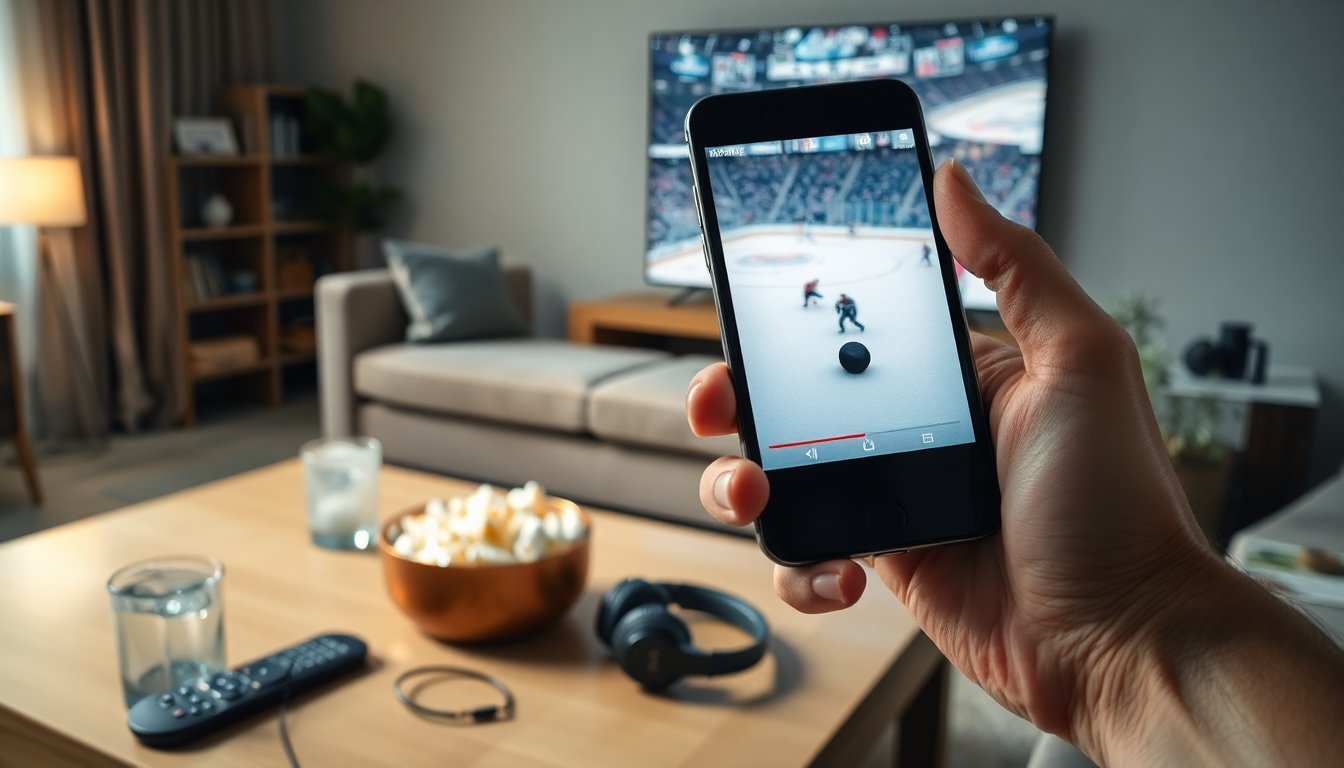
Canadians tuned in for a television spectacle and streamed in droves during the Milano‑Cortina Winter Olympics, underscoring how big‑screen moments and bite‑size digital consumption now coexist. CBC/Radio‑Canada says Jack Hughes’s overtime goal on Feb. 22, 2026 drew a peak television audience of about 8.7 million viewers — a reminder that national sporting climaxes still command mass attention — while online viewing across CBC’s services surged, showing the audience’s appetite for on‑demand access.
How it played out
– Reach: CBC and partner channels touched roughly 30.5 million Canadians across English and French networks.
– Streaming: More than 89 million streams were recorded on CBC’s digital platforms, accounting for about 42 million hours of viewing.
– Timing: These figures were released in public statements on Feb. 23 and Feb. 24, 2026.
What this mix means
Linear TV continues to deliver the shared, appointment‑viewing moments that define national events. At the same time, streaming and short clips are where people discover, clip and rewatch highlights on their own schedules. Broadcasters are therefore juggling two goals: preserve the communal energy of live broadcasts and build a fast, discoverable digital layer that funnels viewers back to owned platforms.
How coverage is changing
– Short form is central. Audiences increasingly prefer highlights, condensed replays and mobile‑first clips over full telecasts, which shortens average session length but multiplies entry points.
– Speed matters. Timely publishing, clear metadata and consistent timestamps lift a clip’s chances of trending on social feeds and being surfaced by AI assistants.
– Platform fit matters. Vertical, captioned edits perform better on TikTok and Instagram; slightly longer edits can live on YouTube and network pages to preserve context and ad value.
Practical tactics that worked at Milano‑Cortina
– Publish snackable highlights quickly. A 15–60 second clip released within an hour of the live moment keeps momentum and drives referral traffic.
– Use structured metadata. Schema markup, descriptive filenames and transcripts improve indexing and machine readability.
– Signal source and context. Visible branding and canonical links back to full coverage protect referral value and help rights owners claim attribution when clips circulate.
– Measure beyond raw views. Completion rates, shares and click‑throughs to full broadcasts better capture audience intent than stream counts alone.
Editorial and technical playbook
For newsrooms and rights holders, success requires tight coordination between editorial calendars and distribution workflows. Editorial teams should plan clips and second‑screen assets to run in lockstep with the live feed; technical teams must ensure synchronized metadata, robust streaming and unified tracking IDs so attribution works across linear, authenticated streaming and unauthenticated on‑demand.
Immediate priorities
1) Protect appointment value — keep marquee events in premium linear windows while supporting rapid clip distribution for social discovery. 2) Standardize clip packaging — consistent title cards, captions, timestamps and schema make clips more discoverable and usable by third parties and AI agents. 3) Link measurement to commercial terms — combine linear ratings with streaming and clip engagement in unified reporting so ad packages reflect full audience value. 4) Speed rights clearance — faster permissions let verified partners publish timely highlights that capture search and social momentum.
Putting historical perspective to work
While Hughes’s 8.7 million peak is smaller than the total reach of some past icons, such as parts of the Canada–USA gold‑medal game in Sochi 2014, the real shift is cumulative: more Canadians now watch across devices. CBC also reported streaming time on its Gem platform rose sharply versus Beijing, signaling sustained adoption of connected‑device viewing since the pandemic years. Broadcasters and rights holders who treat linear reach and digital discovery as complementary — protecting the thrill of live events while building fast, machine‑friendly clip ecosystems — will capture both the spectacle and the long tail of engagement. Adaptation is less about choosing one channel over another and more about designing workflows, metadata and commercial models that work across them.