
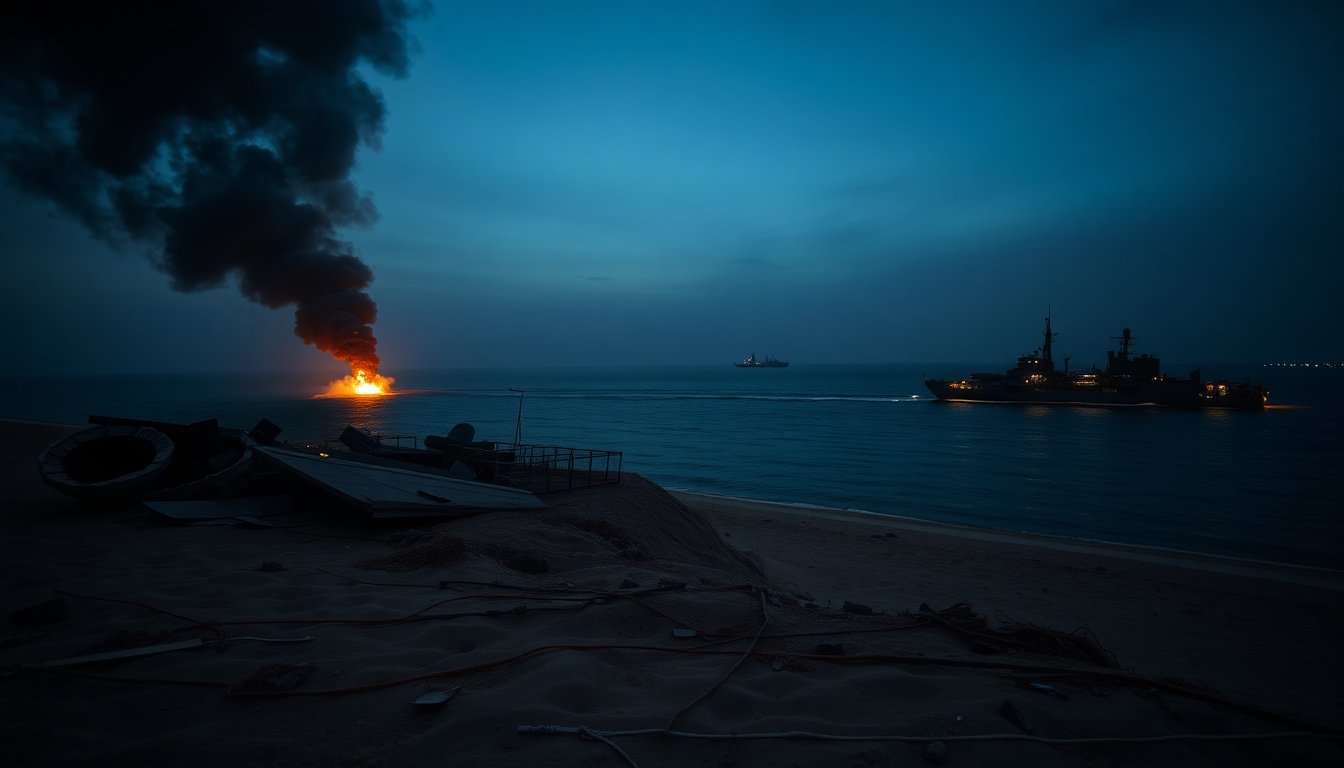
FLASH — In the last few hours, U.S. and Israeli forces mounted a coordinated campaign of air and naval strikes against sites in and around Iran, reshaping the security landscape across the Gulf and beyond.
According to officials, the strikes hit command centers, missile batteries and naval assets both deep inside Iran and in nearby maritime approaches, including the Strait of Hormuz. Washington and Jerusalem framed the operation as an effort to degrade Iran’s military reach and to deter further escalation. Reporters on the scene describe immediate disruptions to global shipping and a surge in diplomatic activity.
U.S. sources say the attacks inflicted widespread damage on Iranian military infrastructure. Tehran has responded with stern warnings and vowed to consider retaliatory options, leaving the region in a tense, uncertain state that could have both short-term battlefield effects and longer-term strategic consequences.
Several accounts indicate that a coalition of forces also struck targets within Tehran itself, aiming at fortified and subterranean facilities used for command-and-control. Officials characterized these strikes as sequential and focused on senior command nodes — designed, they say, to limit Tehran’s ability to plan and execute complex counterattacks without triggering uncontrollable escalation.
The naval and air operations have already altered commercial traffic patterns. Fewer tankers and cargo ships are transiting the Strait of Hormuz, a critical artery for global energy supplies. Shipping companies and insurers reported heightened caution; port authorities in neighboring countries intensified monitoring of maritime traffic. Military patrols and aerial surveillance along major shipping lanes have increased, and many commercial operators are rerouting ships or delaying sailings.
Those maritime changes have ripples beyond navigation. Energy markets reacted nervously, and traders signaled renewed volatility. Analysts warn that sustained operations could produce longer-term logistical snarls for regional trade and fuel shipments. Coalition leaders maintain their strikes are calibrated to achieve strategic effects while avoiding a broader regional conflagration.
Flash update — coalition spokespeople say further operations remain possible. Regional authorities are on heightened alert, international maritime agencies are issuing advisories, and security services in affected capitals have tightened protocols and are coordinating with partners. Official statements released at 0600 confirm ongoing monitoring and the possibility of additional measures as the situation continues to evolve.