
Table of Contents
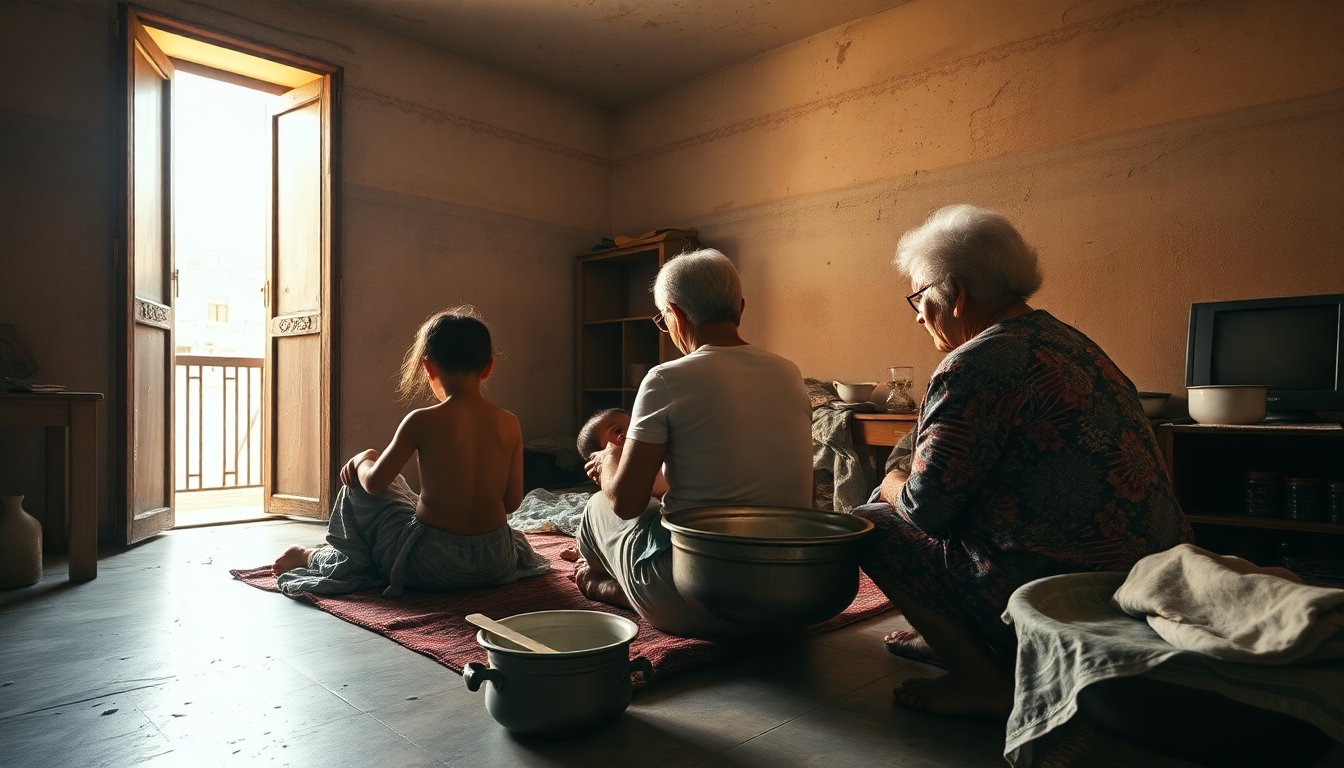
In Havana and beyond, families rearrange their lives around the unpredictable returns of electricity. Fifteen‑year‑old Melanie González Barrios lives in a single room with her 17‑year‑old husband, an infant son, a toddler daughter and her grandmother; they keep tubs and jugs filled because a power cut often means no running water. Across the island, households and small businesses now schedule chores and charge devices in the few hours of light that the grid provides.
These interruptions have intensified since the United States tightened fuel restrictions — an action widely referred to as an oil blockade — and shipments of petroleum have fallen sharply. The result is a cascade of shortages affecting transport, tourism, health services and food supply chains, and forcing Cubans to improvise to protect basic needs.
The mechanics of the crisis
The island depends on imported fuel for roughly 80 per cent of its electricity generation, so limits on deliveries have immediate consequences for the national grid. A recent complete failure of the grid left the country in darkness for almost 30 hours, while rolling schemes now ration power between neighbourhoods. With fuel scarce, public transport runs only at peak times and private taxis and buses are rare sights on city streets.
Tourism — once a principal source of hard currency — has been slashed as cruise lines and airlines suspend routes or cut capacity because of the energy shortfall. In Havana’s Old Town, stately hotels that used to bustle with visitors sit largely empty. That drop in visitors compounds shortages of foreign exchange, intensifying pressure on food imports and services.
Economic pain and everyday shortages
Prices for staples have jumped dramatically. Zunilda Barrios Nuñez, the 59‑year‑old grandmother who lives with Melanie’s family, says the present squeeze is even harsher than the island’s earlier post‑Soviet downturn known as the Special Period. She recounts a surge in the cost of chicken and other basics that has made feeding a household precarious; a teacher by profession, she now spends most of her salary on food.
Fuel rationing has also produced a thriving black market. Where gasoline is officially limited, informal sellers charge steep sums — often several dollars per litre — leaving many drivers grounded or forced to pay premiums. Taxi owners of long‑cherished 1940s and 1950s classic cars report receiving tiny allotments of fuel compared with the past, cutting their earning capacity and leaving iconic vehicles idle for long stretches.
Sanitation, health and mobility
Waste collection has faltered as trucks cannot run consistently, producing piles of rotting refuse that raise public health concerns and have coincided with mosquito‑borne disease outbreaks. Families report tossing out food because refrigerators lose power mid‑night, and many resort to buying homemade dairy or visiting small neighbourhood markets where goods are sold by the kilo at fluctuating prices. On the streets, scooters, bicycles and electric tricycles are now more common as people seek alternatives to fuel‑hungry cars.
Improvisation and tensions
Ingenious responses to the fuel squeeze have emerged. In Aguacate, mechanic Juan Carlos Pino converted a 1980 Polish Fiat Polski to run on charcoal, welding together a 60‑liter tank and adapting a sealed combustion chamber from scrap materials. The car completed an 85‑kilometre run and reached about 70 kph in tests, becoming a local sensation and an example of the kind of do‑it‑yourself fixes that many Cubans are adopting.
Less dramatic but widespread adaptations include sharing rides when possible, charging devices at neighbours’ homes during brief power windows, and small entrepreneurs generating and selling cold goods or cooked meals from improvised setups. Open‑source guides and regional innovators have circulated instructions for alternative engines and generators, helping technicians and shopkeepers in several towns.
Politics, protest and outlook
Officials in Havana denounce the fuel restrictions as deliberate aggression. Cuba’s deputy foreign minister characterized the U.S. restrictions as harmful to civilians and insisted the country’s political system is not up for bargaining. Street views are mixed: some residents urge political solutions at higher levels, while others focus on survival tactics. Sporadic unrest has surfaced, from nightly pot‑banging protests to an incident in Morón where a local Communist Party office was attacked and several people detained.
For most, exhaustion and the search for daily necessities dominate thoughts more than politics. Many say they will continue to adapt through inventive repairs and community networks while watching diplomatic talks and hoping for relief. The coming weeks will test whether makeshift fixes and rationing can bridge supply gaps or whether deeper economic and political shifts will be forced by prolonged shortages.