
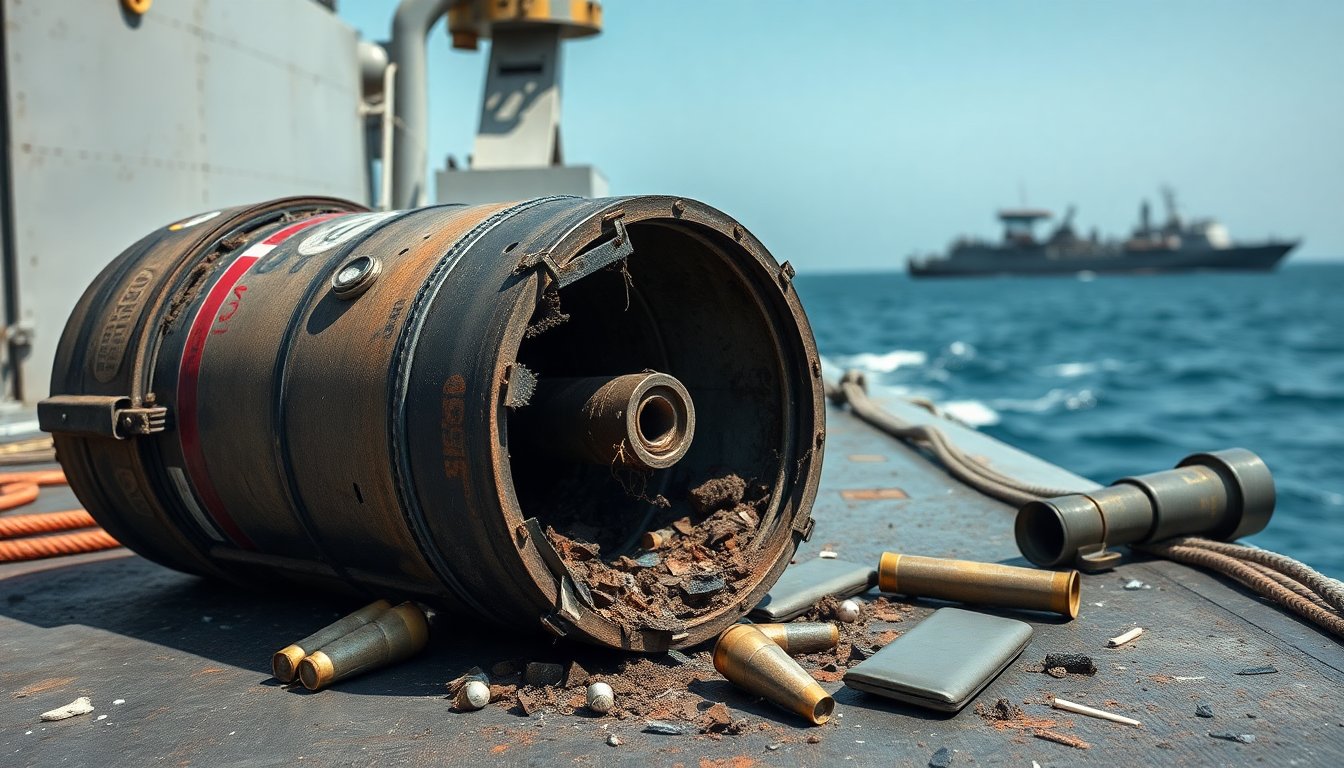
Missile and drone barrages across the Gulf are forcing states to burn through expensive, single-use interceptors at an alarming rate — and commanders are scrambling to keep up. What started as an effort to blunt attacks has become a costly dance: each high-priced defensive shot answers a much cheaper attacking munition, and that imbalance is reshaping strategy, logistics and even regional deterrence.
The arithmetic is stark. Interceptors like surface-to-air missiles or ship-launched interceptors can cost many times more than the drones or cruise missiles they destroy. When opponents can churn out low-cost threats faster than defenders can replace expensive interceptors, the defender loses the “cost-exchange” battle. Stocks fall quickly, budgets strain, and commanders face the prospect of thinner defensive layers just when they’re most needed.
On the ground (and at sea), command centres are juggling a mix of incoming threats — loitering drones, cruise missiles, rockets — against a finite inventory of defensive rounds. That mismatch forces wrenching choices: fire to protect a nearby asset and risk depleting caches, or hold fire and accept greater exposure. Those decisions ripple through operations, changing patrol routes, alert postures and rules of engagement.
Short-term fixes exist, but they come with caveats. Allies can shuffle interceptors between theatres, preposition spares, or pool stocks, offering temporary relief. Yet moving assets leaves other regions more vulnerable and complicates logistics. In effect, patching one hole can open another.
The supply chain makes recovery slow. Interceptor production depends on specialized components — seekers, propulsion, guidance electronics — often supplied by a handful of manufacturers. Ramping up output isn’t like flipping a switch: certification, quality control and export approvals take time. Sophisticated systems such as THAAD or SM-3 are subject to export controls and testing protocols that postpone rapid cross-border transfers.
A single salvo can consume dozens or even hundreds of interceptors, exposing fragile points in manufacturing and transport. As inventories sink and backlogs grow, leaders resort to triage: prioritizing front-line units while other commitments go underprotected. That triage has political and military costs, undermining both credibility and flexibility.
Policymakers and defence planners have a narrow menu of responses. They can accelerate domestic production, streamline approvals, reallocate supplier commitments and cultivate alternative manufacturers — but each path requires investment and time. Stockpiling, surge capacity and coordinated allied pools help blunt shocks in the near term, while longer-term industrial expansion aims to change the balance for good.
At the operational level, there are ways to reduce dependence on interceptors. Better early-warning networks, hardened infrastructure, passive defences and electronic countermeasures lower how often expensive interceptors are needed. Spreading out valuable assets and changing posture can also limit exposure. Yet these measures trade immediacy for complexity and sometimes reduce operational freedom.
Finally, the risk calculus tightens if external support alters the supply picture. Reports of material or logistical aid to attackers compress decision windows for defenders: resupply shifts the tempo, forcing quicker choices about when to expend interceptors and when to conserve them. In that environment, timely intelligence and rapid logistics become even more valuable — and conservative engagement rules more likely.
The It’s a logistical and strategic test of how well alliances can manage scarce, expensive defenses against a flood of cheap threats. The short-term options ease pain; only sustained industrial and doctrinal changes will restore durable balance.