
Table of Contents
The international response to the conflict with Iran has extended far beyond battlefields in the Middle East. On 23/03/2026 15:45 a report highlighted how several European military installations are quietly handling complex support tasks for the U.S. campaign, turning allied bases into hubs for movement, maintenance and planning. At the same time, analysts have warned since Monday, March 16 that operations around the Strait of Hormuz are already interrupting global energy flows and creating cascading effects for markets and food supplies.
These developments are tightly linked. Forward basing in Europe reduces transit times and sustains a high tempo of operations, but it also ties European infrastructure to the risks of an expanding conflict. The practical work done on these bases ranges from aerial refueling and cargo staging to intelligence sharing and repair facilities for naval and air platforms. That logistical backbone is a strategic enabler for the U.S. campaign, and it shapes both military options and diplomatic pressures across allied capitals.
What European bases are doing and why it matters
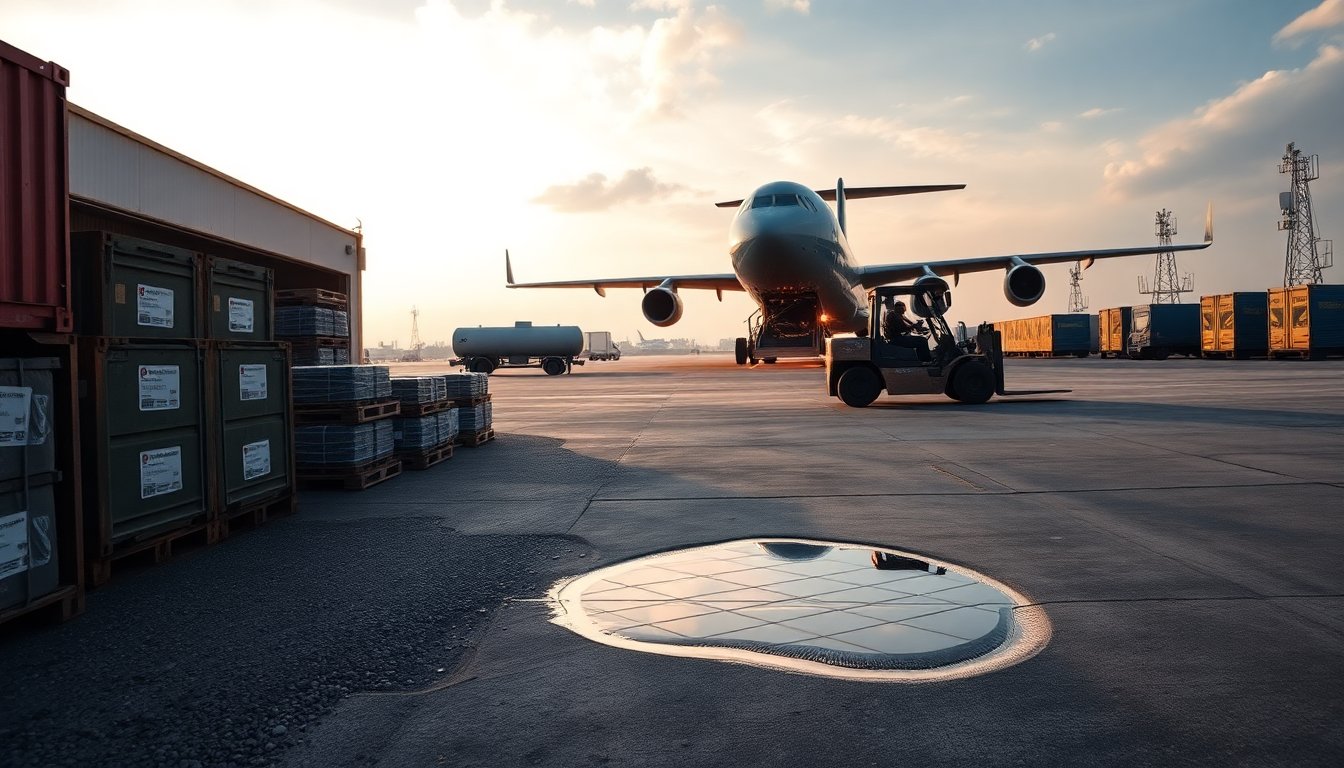
European sites are performing a mosaic of tasks that together make up a large, intricate supply chain. Those tasks include transporting munitions and spares, providing air-to-air refueling, hosting command-and-control nodes, and offering secure ports for ships conducting replenishment. While not always visible to the public, these lines of support are why operations can be sustained at scale. For host countries, this creates policy dilemmas: continued cooperation helps allies project force, but it also makes them logistical targets and political stakeholders in the conflict.
Operational complexity and political fallout
The coordination required is substantial. Moving materiel across continents demands synchronized airlift schedules, customs arrangements and maintenance cycles for critical platforms. That complexity raises questions about resilience: if a base is constrained by domestic politics or legal limits, the whole chain can slow. In addition, European governments face domestic scrutiny over the legality and long-term consequences of hosting these capabilities, which can affect coalition cohesion and the durability of the supply network.
Strait of Hormuz: choke point, hazards and ripple effects
The simultaneous disruption of the Strait of Hormuz has amplified the stakes. Analysts note that roughly 20 percent of seaborne oil and 20 percent of liquefied natural gas pass through the Strait under normal conditions, and recent days have seen traffic fall dramatically. Even without direct mining or constant attacks, the mere threat of damage to tankers and supply ships is altering insurance calculations, deterring crews and elevating transit risk. That fear alone is constricting flows and lifting prices.
Mine risks and asymmetric naval threats
Iran has long invested in asymmetric naval tools designed to exploit narrow waterways. Observers describe an inventory of mines and delivery platforms that can include conventional warships, small craft, midget submarines and covert placement methods. The term mining the Strait refers to deliberate emplacement of explosive devices to deny or disrupt passage. Even the uncertainty about whether mines are present forces mariners and insurers to act cautiously, giving a relatively small force outsized leverage over global commerce.
Market responses and military options
On the economic front, governments and institutions have limited remedies. The International Energy Agency is coordinating a major release of stocks, with plans to mobilize a historically large package to stabilize supply. The concept of strategic petroleum reserves is to temporarily replace lost crude volumes, but the planned release is still smaller than the total supply shortfall caused by the Strait disruption. Markets also react to perceptions; failed military escort attempts or visible losses could exacerbate fear and push prices higher, while a credible, sustained clearance of the waterway would gradually restore confidence.
Militarily, escort operations and mine-clearing are possible but costly and hazardous. Escort missions place high-value platforms near hostile shores where they face shore-based missiles, drones and swarms of small craft. Clearing mines requires specialized vessels that are also vulnerable to attack. Commanders must weigh the resource commitment and casualty risk against the uncertain benefits for global trade. For now, many states are prioritizing diplomatic, intelligence and indirect measures while calibrating military risk.
Where this leaves policymakers
European governments and their allies are operating in a high-stakes tradeoff between enabling a sustained campaign and managing economic fallout. The logistical role played by allied bases gives the U.S. and partners critical reach, but it also entangles host nations in political, legal and security consequences. At the same time, the disruption of the Strait of Hormuz has revealed how fragile global energy and food supply chains can be when a narrow waterway is contested. The choices made now about escorts, stock releases and diplomatic pressure will shape markets and alliances for months to come.