
Table of Contents
a sensory ode to ferment: tasting tradition and terroir
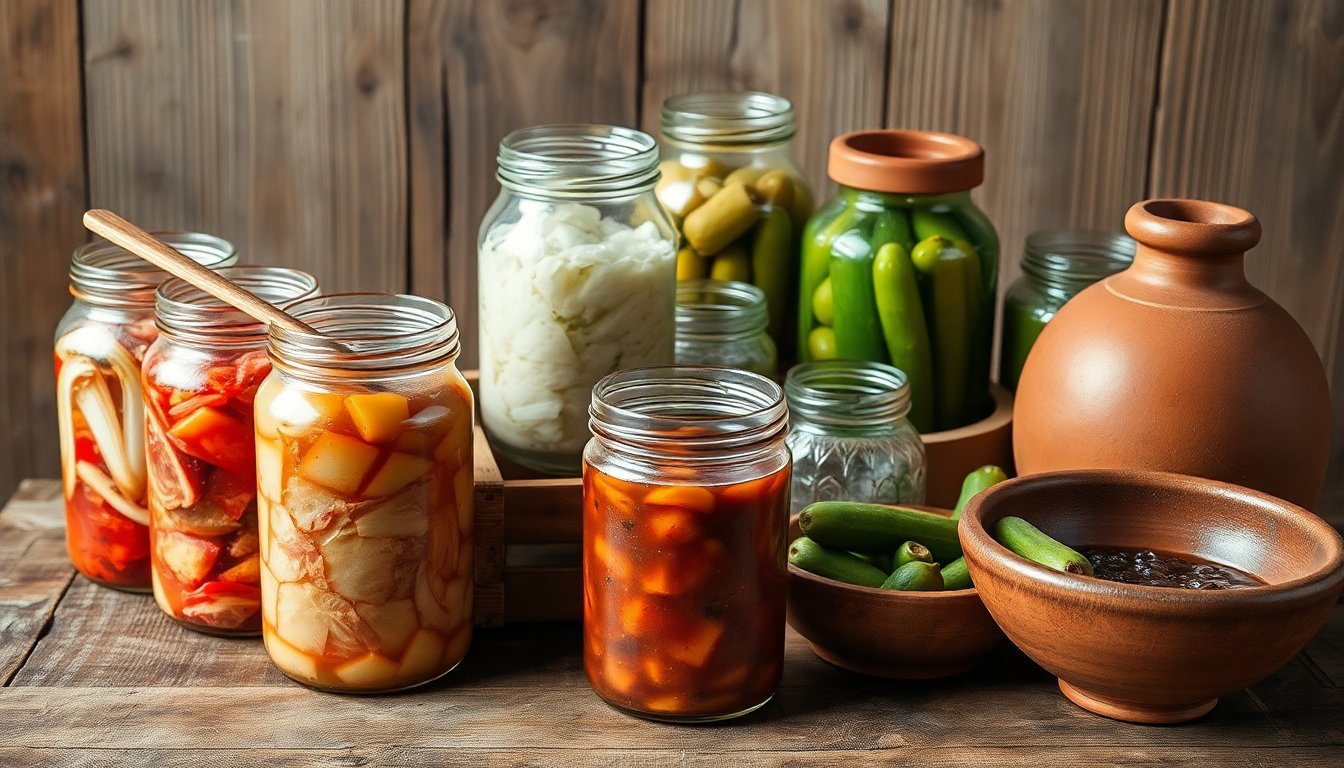
Il palato non mente mai… The palate never lies… Close your eyes and picture the warm, tangy breath of a jar opened at dawn. The slow perfume of lactic acid, the bright bite of salt, the mineral whisper of the soil meet on the tongue. This is where a meal begins: with memory, smell and texture.
Fermentation is more than a preservation technique. It is a cultural language that records place, patience and people. As a chef I learned that every ferment carries a map of ingredients, skills and local climate in its aroma and texture.
Behind every dish there’s a story of harvest timing, salt percentages and microbial partnerships. Terroir shapes those stories: soil, weather and human practice create distinct profiles. Small-scale producers, home fermenters and makers across regions preserve heritage through jars, crocks and barrels.
The palate provides the evidence. Taste reveals supply chains, seasonality and sustainability. This series will trace techniques, regional examples and accessible steps for young cooks to explore fermentation responsibly.
Behind the jar: the story of an ingredient
The palate never lies. Building on the jars opened at dawn, this section shifts from sensory memory to practical detail. As chef I learned that a single ingredient can carry climate, soil and craft in equal measure.
Farmers harvest with different aims. Some pick for crispness, others for sugar or shelf life. Those choices change how a vegetable responds to fermentation. A cabbage harvested at peak sugar will produce brighter lactic acids. A denser root yields deeper, more savory notes of umami. The outcome is not magic. It is chemistry guided by technique and terroir.
Technique matters. Salt concentration, temperature and container all steer microbial succession. Lower salt and warmer temperatures favor fast, tangy fermentation. Cooler, salt-richer conditions slow the process and encourage complex secondary flavors. Small adjustments yield predictable shifts in aroma and texture.
Fermentations are also social recipes. Regional practices encode preservation needs, ingredient availability and taste memory. A smoky ferment may reflect local fuel and smoke-curing traditions. A tart, sharp profile often marks summer harvests preserved for lean months. Behind every jar is a line that links producer, place and palate.
For young cooks exploring fermentation responsibly, start with controlled variables: use a tested salt ratio, monitor temperature and label jars with start dates. Simple measurements reduce risk and help you learn cause and effect. Expect variations between batches; that variability is part of the craft and the story each jar tells.
Accessible technique: how fermentation works
The palate never lies. Expect variations between batches; that variability is part of the craft and the story each jar tells.
Fermentation reduces sugars into acids, alcohols and aromatic compounds through the action of lactic acid bacteria. These microbes lower the pH, inhibit spoilage organisms and create the tang and complexity we prize.
Three elements control a reliable ferment: clean produce, a measured salt ratio and time. Use a 2–3% brine for most vegetables to favour desirable bacteria and suppress unwanted microbes. Keep the environment cool to slow the action and preserve delicate aromatics.
As a chef I learned that the process is guided by senses, not clocks. Taste, smell, observe daily for texture and aroma changes. Look for steady souring and pleasing acidity rather than off smells or slimy textures.
Technically, gentle crushing or slicing increases fermentable surface area and speeds conversion. Weigh ingredients when possible and record salt percentages to reproduce successful batches.
Ferments mature on a spectrum from days to weeks, depending on temperature, vegetable type and desired acidity. Behind every jar there’s a story shaped by those choices.
From technique to plate: transforming texture and umami
Behind every jar there’s a story shaped by those choices. The palate never lies, and fermentation is where technique meets terroir. Proteins break down into savory amino acids. Sugars ferment into acids that lift sweetness and deepen mouthfeel. A fermented carrot can turn silky and almost meaty when finished with olive oil and herbs. Layering these elements with fresh produce creates contrast: crisp versus tender, bright acid versus rounded savor.
Filiera corta and sustainability
Choosing local producers is a practical decision for quality and resilience. Filiera corta shortens supply chains, reduces waste and improves traceability—an important safeguard when fermenting outside industrial settings. I seek growers who practice crop rotation and limit synthetic inputs, because healthy soil yields ingredients that ferment with clarity and depth. Organizations such as Slow Food and guides like Gambero Rosso link gastronomic quality to ethical sourcing, reinforcing that provenance shapes both flavor and responsibility.
a final tasting note from the pantry to the table
The palate never lies. As a chef I learned that the first bite tells you more than a recipe can. This jarled experiment is both lesson and landscape. It records season, soil and human care in layered acid and texture.
what to listen for when you taste
Start with aroma. Then notice balance among salt, acid and the savory thread of umami. A pleasant fermentation will smell bright rather than rotten. Texture should be crisp or pleasantly yielding, not mushy.
how this links to provenance and ethics
Behind every jar is a person and a place. Local sourcing narrows supply chains and often improves freshness. Institutions such as Slow Food and guides like Gambero Rosso connect gastronomic quality to ethical sourcing. That connection shapes both flavour and responsibility.
practical next steps
Try a small jar and keep notes on aroma, taste and texture across days. Pair fermented vegetables with simple proteins, bread or cheese to let their acidity cut through richness. Use quality oil and seeds at service to add contrast and crunch.
the broader taste of stewardship
Fermentation is preservation and storytelling. It keeps seasonal produce edible longer while amplifying terroir. Il palato non mente mai — let careful tasting guide sourcing choices and culinary curiosity.