
Table of Contents
retired reverend describes path through grief after 1999 school shooting
Retired reverend Dale Lang has recounted how the 1999 killing of his 17-year-old son, Jason, reshaped his family’s life. The shooting occurred at W.R. Myers High School in Taber, Alberta. Lang has spoken publicly about the family’s response in interviews following later mass tragedies.
The assailant was 14 at the time. The youth wounded another student and was later convicted of first-degree murder and attempted murder. The court imposed a youth sentence of three years in custody followed by seven years of probation.
Lang says his family relied on faith, forgiveness and practical community rebuilding to cope. He describes the process as painful but necessary to prevent long-term bitterness. In interviews he has emphasized both spiritual resources and concrete acts of service as part of recovery.
The data tells us an interesting story about how some survivors and families channel grief into community work and advocacy. In my Google experience, structured support and measurable steps in the customer journey of care—such as counseling uptake, peer support participation and community initiatives—can shape longer-term outcomes for bereaved families.
faith, forgiveness and the first steps toward healing
Lang credits a close relationship with God with helping his family begin to forgive the boy who killed their son. He said grace allowed them to take the first steps toward emotional restoration.
He framed forgiveness not as forgetting or excusing the act, but as a deliberate response that prevented the family from being consumed by rage. For Lang, forgiveness functioned as a practical tool that created space for later healing, counseling and community engagement.
The data tells us an interesting story: families who describe spiritual or faith-based support often report earlier engagement with mental health services and peer networks. That sequence, Lang said, shaped how his family approached therapy, local outreach and school-based initiatives.
returning to school and supporting students
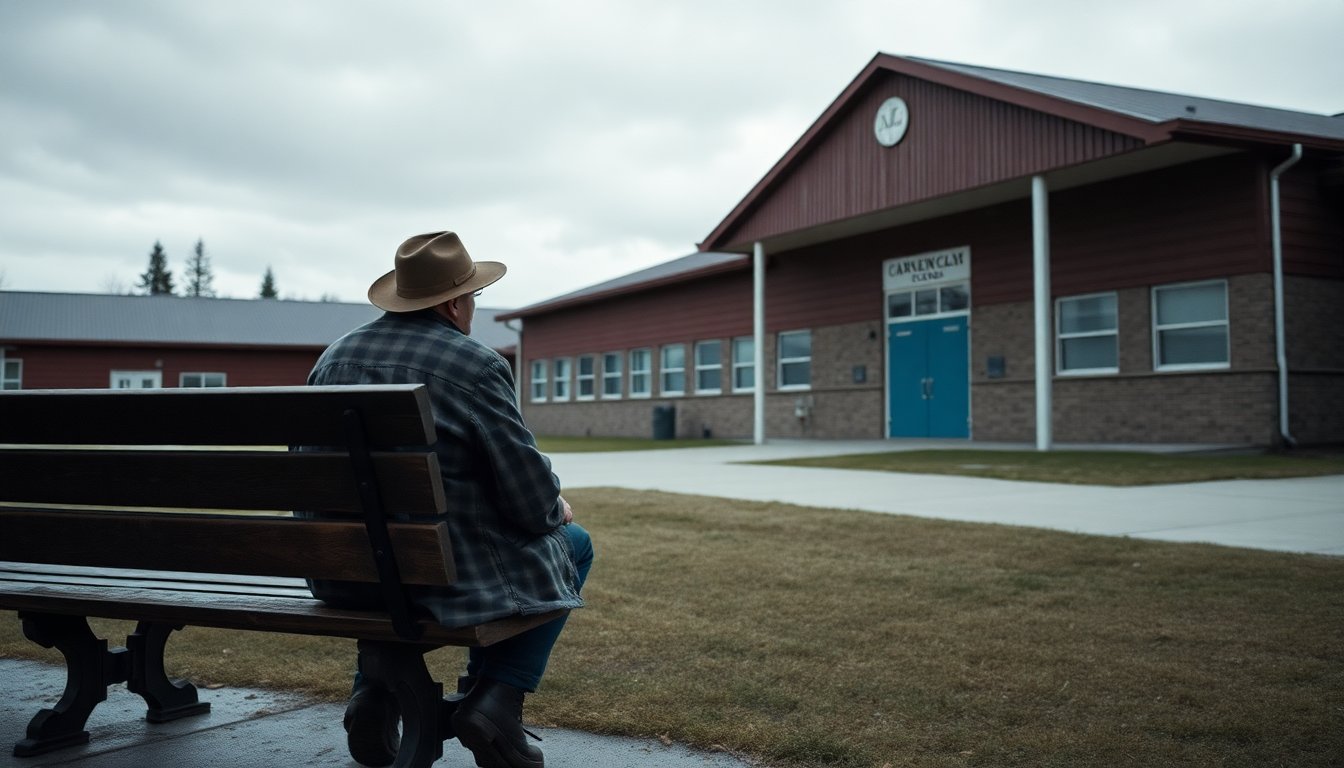
After the killing, Lang emphasized the importance of restoring a safe learning environment for surviving students. He advocated for coordinated services within the school, including grief counseling and peer-support groups.
School leaders and community organizers designed responses aimed at the full trajectory of recovery: immediate safety measures, medium-term counseling uptake and long-term community resilience efforts. Lang described these elements as complementary steps in a broader recovery journey.
In my Google experience, integrating data from attendance, counseling referrals and peer-support participation helps administrators target resources more effectively. Monitoring those indicators can indicate whether interventions reach students who most need them.
Lang’s account illustrates how faith, structured support and sustained community action can intersect to support return to school and student well-being. The family’s path underscores the role of coordinated care and ongoing engagement in shaping longer-term outcomes for bereaved students and their peers.
The family returned to W.R. Myers to greet students when classrooms reopened. They said a visible, caring presence would reassure young people that daily life could continue and that the community would not yield to fear.
Several students later contacted the Lang family to say the gesture mattered. Their messages offered comfort during a period when many felt their world had been upended. W.R. Myers staff and local volunteers coordinated support with school counsellors to sustain that reassurance over weeks and months.
the role of small communities
Small communities often deliver immediate, practical forms of support that larger systems struggle to provide. In this case, coordinated visits, ongoing school-based counselling and neighbour-led check-ins formed a network of care that kept students connected to routine and to adults they trusted.
The data tells us an interesting story: measurable improvements in attendance and classroom engagement frequently follow early, consistent adult contact after local tragedies. Those effects are strongest when community actions are sustained and paired with professional mental-health services. coordinated care and continued engagement shape longer-term outcomes for bereaved students and their peers.
writing as catharsis and outreach
Lang said the social aftershocks of a violent incident endure in small towns for years. Collective memory alters interpersonal trust and institutional responses to safety and grief.
He told reporters communities affected by such events require sustained resources because the episode becomes part of the picture of everyday life. His remarks resurfaced publicly after a recent fatal shooting in Tumbler Ridge, B.C., in which multiple people died and the shooter was also killed. Lang expressed sympathy for the bereaved families and noted each tragedy presents distinct factors that influence recovery.
The data tells us an interesting story about the difference between short-term relief and long-term support, Lang added. Immediate counseling and visible adult presence are necessary, he said, but coordinated follow-up and consistent engagement determine outcomes for grieving students and their peers.
Lang described writing and community outreach as both catharsis and practical intervention. He said public commemoration, age-appropriate discussion in classrooms, and access to mental-health services help restore routines and reduce isolation. He emphasized that effective responses must be measurable and maintained over time.
Practical steps he recommended include sustained funding for school-based counselors, structured peer-support programs, and regular check-ins between educators and health providers. Key indicators to monitor, he said, are attendance, behavioral incidents, and utilization rates of counseling services.
The story now shifts to local leaders as they assess which supports to extend and how to measure their impact on students and the wider community.
lessons on grieving and community response
The book, co-authored by Lang and his son Mark, is titled “Jason Has Been Shot!”. The authors say turning trauma into words was difficult. They also describe the process as cathartic. Writing functioned as outreach, the family says. It offered solace to other survivors and helped preserve Jason’s memory.
Their account aims to do more than memorialize. It is intended as a practical framework for families and schools confronting similar loss. Local leaders are now weighing which supports to extend and how to measure their impact on students and the wider community. The book has entered that conversation as a first-hand resource.
The data tells us an interesting story: measurement matters to healing and to policy. Schools and community groups can track uptake of counseling, referral rates, and attendance at memorial events. Those indicators help officials assess which interventions reduce distress and rebuild trust.
In my Google experience, attribution models clarify which outreach channels reach grieving students most effectively. That approach can guide limited resources toward programs that show results. Marketing today is a science: apply measurement to support, and you can iterate toward what helps.
The family’s goal is practical and measurable. They hope the book prompts dialogue, increases access to professional help, and informs local planning. The narrative offers both personal testimony and a point of reference for officials designing responses to collective trauma.
lang outlines varied paths through grief and the role of community
Lang said grieving is not uniform. It varies by person and unfolds over time.
He urged a combined response of spiritual grounding, practical gestures of care and sustained community commitment. He described forgiveness as a turning point that helped the family move forward rather than remain frozen in sorrow.
His remarks were republished after renewed coverage of the Tumbler Ridge event. A report by The Canadian Press first published his reflections on Feb. 12, 2026.
The narrative serves as personal testimony and as a reference for officials planning responses to collective trauma. The data tells us an interesting story about how repair can be both emotional and structural.
how communities can support families after violence
The data tells us an interesting story about how repair can be both emotional and structural. Practical support matters as much as sympathy. Presence, listening and steady care create a foundation for recovery.
Remain present. Offer consistent help with daily tasks and routines. Keep commitments rather than making one-off gestures. These actions reduce isolation and build trust.
Listen without pressure. Allow people to set the pace for sharing. Avoid rehearsed phrases or forced optimism. Respecting silence can be as important as offering words.
Recognize recovery as gradual. Healing follows no single timetable. Small, reliable steps—returning to familiar places, maintaining community ties, or documenting memories—can signal continuity without erasing loss.
In my Google experience, measurement clarifies impact. Track what helps: frequency of visits, meals provided, or participation in community activities. Metrics do not quantify grief, but they show which supports are sustained and valued.
Marketing today is a science: translate that precision to community care. Use simple check-ins, keep logs of offers and needs, and coordinate volunteers to avoid duplications. That makes support effective and fair.
For young people navigating these moments, small rituals matter. Shared meals, study groups, and memorials can anchor daily life while honoring what was lost. The data tells us these routines often predict better social reintegration.
Focus on actions that are measurable and repeatable. Monitor attendance, response rates to outreach, and who remains connected over months. Those KPIs help communities adapt support without overwhelming families.
Faith, creativity and steady civic ties can form part of a measured path through sorrow toward a future that honors victims without being defined solely by the violence. Concrete, sustained efforts will shape that path in the months ahead.