
Table of Contents
The humanitarian situation in Gaza has deteriorated once again as attention and resources move toward the ongoing confrontations between the United States and Israel and their actions involving Iran. Until late last month, a modest thaw at the Rafah border crossing offered a sliver of relief: limited food shipments entered and a small number of civilians were permitted to cross in both directions. Those openings, and the broader reconstruction plans that international partners had been discussing, appeared to signal a tentative step toward restoring basic services in the strip after two years of what many describe as Israel’s genocidal war on the territory.
How the regional escalation altered global attention
The decision by the US and Israel to expand military operations against Iran last month produced an immediate geopolitical ripple. Media cycles, diplomatic bandwidth and the priorities of key aid donors shifted toward the new confrontation, and as a result the delicate administrative and logistical arrangements that had enabled limited movement through Rafah were suspended. The cessation of cross-border activity illustrates how military escalations can produce rapid, secondary humanitarian consequences: corridors close, aid pipelines stall and negotiators lose leverage. The pause makes clear that geopolitical moves elsewhere in the region can have direct, damaging impacts on the day-to-day survival of Palestinians in Gaza.
Humanitarian impact on Palestinians
Access at Rafah and the halt to supplies
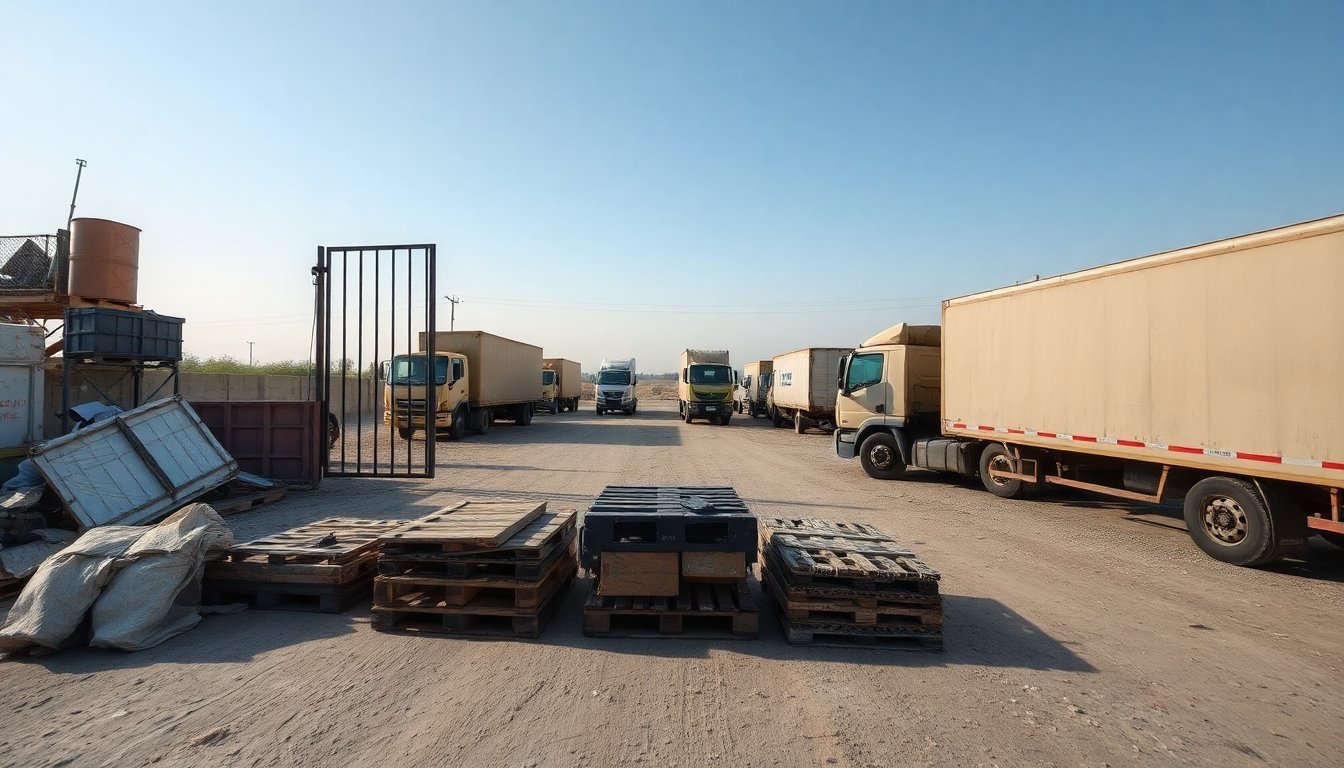
The partial reopening of the Rafah border crossing had allowed constrained deliveries of food and medical supplies, as well as limited civilian crossings for essential reasons. When operations stopped after the regional escalation, those fragile relief channels were interrupted, forcing aid planners to reassess routes and inventories. For many families in Gaza, even intermittent access was life-sustaining; without it, shortages intensify quickly. Aid organizations now face the dual challenge of constrained logistics and a global attention deficit as donors and policymakers redirect focus to the newly expanded conflict involving Iran, complicating efforts to restore consistent humanitarian flows.
Reconstruction and the pause in rebuilding plans
International commitments to rebuild parts of Gaza had gained some momentum before the escalation, with proposals aimed at restoring critical infrastructure and housing. Those plans relied on a modicum of security stability and steady funding streams. The renewed hostilities and resulting diplomatic distraction have driven a wedge between plans and capacity: reconstruction timelines are now uncertain, procurement channels are delayed and on-the-ground coordination suffers. The interruption risks prolonging displacement and deepening dependency among populations already affected by two years of intense conflict, reducing prospects for short-term recovery.
Diplomatic consequences and possible paths forward
The interruption of aid and movement has also weakened diplomatic mechanisms that had held a fragile ceasefire in place. Negotiators who had been working on extensions or transitions now confront a narrower set of avenues as attention turns to the larger regional confrontation. Preserving any pause in active hostilities in Gaza will require renewed engagement from the major stakeholders and intermediate actors. Voices in the discussion include analysts and officials such as James Bays as presenter, Abdulla Al-Etaibi from Qatar University, humanitarian representatives like Mohammed Salah, and former diplomats such as Gordon Gray, each outlining how the shifting priorities could hamper or reshape diplomatic initiatives.
International roles and leverage
Securing consistent aid deliveries and a stable ceasefire depends on pressure and facilitation from outside actors — states, regional organizations and multilateral agencies. The current diversion of international focus to confrontations with Iran reduces the bandwidth of those actors and can blunt their ability to broker or enforce agreements on Gaza. Moving forward, a practical approach would need simultaneous attention to immediate humanitarian access at crossings like Rafah and a diplomatic track that prevents the broader regional flare-up from undoing fragile local arrangements. Absent such coordinated effort, Palestinians in Gaza will face a renewed cycle of scarcity and uncertainty.
In sum, the shift in regional priorities following the recent operations involving the US, Israel and Iran has interrupted nascent recovery steps for Gaza and complicated both aid delivery and diplomatic efforts to maintain a ceasefire. Restoring momentum will require deliberate international engagement to reopen access points, commit funding to reconstruction and revive negotiations before humanitarian conditions deteriorate further.