
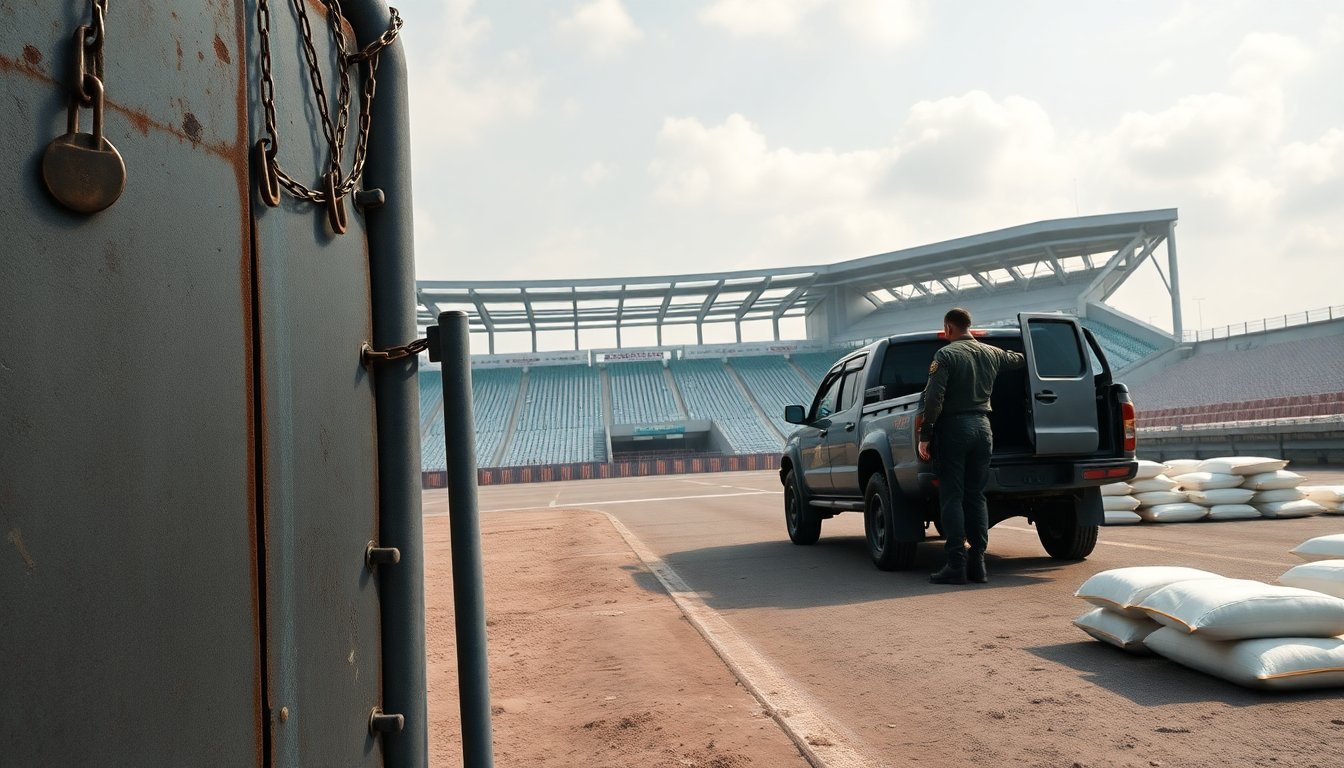
The run-up to the 2026 World Cup is exposing far more than formations and warm‑up routines. Organisers, host cities and millions of fans are juggling a tangle of security challenges, logistical headaches and political tensions that could define how the tournament is remembered—either as a triumph of planning or a cautionary episode.
A tense backdrop
The environment around the tournament has hardened. One host country has carried out military strikes overseas; another faces surging organised violence. Controversies over ticketing and celebrity promotions have inflamed public debate. These developments have shoved questions about safety, crowd control and the sport’s reputation to the top of the agenda. Meanwhile, teams continue their preparations and players train as media scrutiny intensifies and local populations watch nervously.
Who’s on the front line — and what’s at stake
This isn’t just a matchday problem. Event organisers, municipal authorities, stadium operators, security services, private contractors and fans all play a role. The flashpoints are familiar: soaring ticket costs, weapons moving across borders, and violent reprisals tied to organised crime. These risks manifest where people concentrate — stadiums, transit hubs, fan zones and the routes between them — and they spring from a mix of logistical complexity, transnational criminal networks and aggressive law enforcement that can push up costs and complicate planning.
Security and logistics: overlapping layers
Protecting hundreds of thousands of visitors is more than adding officers at gates. Contemporary security is layered: hardened perimeters and tighter access control, CCTV feeding real‑time command centres, interagency intelligence sharing, and private analytics that model crowd behaviour. Logistics teams, meanwhile, must choreograph freight and fan movements so they don’t collide; a single chokepoint can ripple into delays, safety incidents and reputational damage.
A particularly troubling element is arms trafficking. Mexican authorities estimate many weapons seized from criminal groups originated in the United States. High‑profile operations against cartel figures can provoke immediate, violent reprisals, complicating security plans around transit hubs and public spaces near venues. Ironically, successful interdictions sometimes trigger short‑term spikes in violence as criminal groups retaliate.
Money talks — and bites
Investing in security buys resilience: sturdier infrastructure, faster incident response and confidence for sponsors and broadcasters. Those improvements, however, come with price tags. Rising operating costs creep into ticket prices and local service fees, squeezing affordability and risking alienation of grassroots fans. Heavy-handed security can also fray relationships with host communities and dampen the informal fan culture that gives tournaments their soul. Without accompanying social programmes and policy changes, enforcement risks simply shifting criminal activity elsewhere.
Practical moves organisers can adopt
– Rethink venue and transit designs to eliminate chokepoints and segregate fan and freight flows. – Guarantee subsidised ticket allocations for local supporters and youth to protect grassroots access. – Prioritise supply‑chain and trafficking investigations over purely visible, frontline policing at stadiums. – Use predictive crowd analytics, staggered entry windows and dynamic signage to ease congestion. – Conduct tabletop exercises and live drills so stewards, police and medical teams rehearse communications, evacuations and evidence handling.
Ticketing, markets and legacy
Ticketing has become as much a political battleground as a commercial exercise. Premium seats trading at thousands of dollars—and even higher on secondary platforms—fuel concerns about inclusion and the future fan base. The systems that run sales are complex: priority queues, loyalty windows, dynamic pricing and partner allocations operate across federated portals and resellers in milliseconds. When affordable seats disappear fast, younger fans report barriers that could erode lifelong attachment to the sport.
There are workable fixes. Programmable allocations and conditional vouchers can reserve blocks for community groups without wrecking revenue. Tougher transfer rules and better auditing of resale markets curb scalpers. Transparent eligibility criteria and public reporting of allocations help calm public anger. If organisers want a lasting legacy — improved infrastructure, community programmes and future fan pipelines — they must balance short‑term commercial goals with equitable access.
Tech: convenience with caveats
Digital tools for ticketing, accreditation and identity checks speed entry and create clear audit trails, but they introduce new dependencies and risks. Centralised ledgers, third‑party APIs and identity middleware can boost throughput while raising privacy concerns and creating single points of failure. Vendors that promise interoperability and open auditability are more attractive than proprietary stacks that might lock cities into expensive ecosystems.
A tense backdrop
The environment around the tournament has hardened. One host country has carried out military strikes overseas; another faces surging organised violence. Controversies over ticketing and celebrity promotions have inflamed public debate. These developments have shoved questions about safety, crowd control and the sport’s reputation to the top of the agenda. Meanwhile, teams continue their preparations and players train as media scrutiny intensifies and local populations watch nervously.0