
Table of Contents
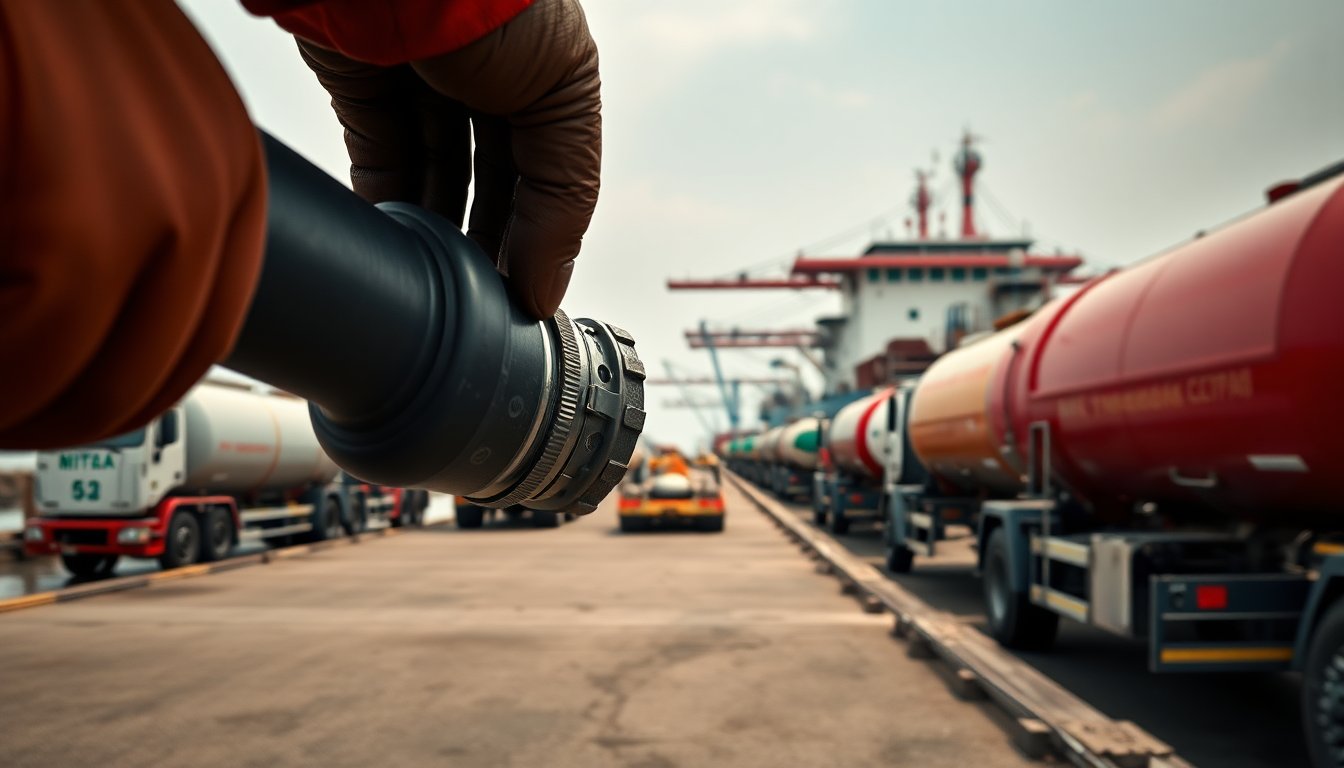
The Government of India has moved to send emergency shipments of diesel to Bangladesh in response to surging prices and supply disruptions linked to tensions in West Asia. Bangladesh is set to import 45,000 tonnes of diesel by April, with 5,000 tonnes already delivered, a step that underscores New Delhi’s emerging role as a regional first responder for fuel shortages. This assistance is both pragmatic and symbolic: pragmatic because it addresses an immediate shortfall, and symbolic because it reinforces interdependence among South Asian neighbours at a time of global market stress.
These transfers come against the backdrop of broader market volatility tied to disturbances around the Strait of Hormuz, a chokepoint whose instability can ripple across global energy flows. India’s reaction combines short-term relief with strategic signalling: by dispatching refined products, it demonstrates the operational reach of its refineries while testing how to balance domestic energy needs against regional commitments. The episode reveals a recurring policy tension between safeguarding internal supplies and exercising diplomatic influence through commodity flows.
Why neighbours are looking to India
Several countries in South Asia have limited refining capacity or storage flexibility, making them vulnerable when international shipments slow or prices spike. Sri Lanka, the Maldives and Nepal, alongside Bangladesh, have sought additional assistance as international contracts and shipping routes become less predictable. India’s large refining base and logistical proximity make it a natural supplier of last resort. Supplying neighbours is therefore not only an act of commerce but also a form of energy diplomacy that builds trust and deepens economic ties, especially when alternatives require costly spot purchases on global markets.
The Hormuz paradox: exposure and leverage
India occupies a curious position in global oil dynamics: it is heavily dependent on imports while simultaneously operating as a major global processor of crude. That duality creates a paradox. A disruption in the Strait of Hormuz pushes crude prices higher and threatens domestic supply, yet higher crude can also widen refining margins, allowing India’s refineries to earn extra revenue by exporting refined products. Managing this interplay between vulnerability and leverage is central to New Delhi’s energy strategy.
Import dependence and macro risks
Domestic crude production covers only a fraction of India’s needs, leaving the country reliant on imports for roughly 88 percent of its crude supplies. Oil represents a significant share of the energy mix and a large portion of transport fuel demand, so price spikes translate quickly into inflationary pressure, a wider current account deficit and stress on the currency. Market scenarios in the event of sustained Gulf conflict have envisaged sharp price movements, which would transmit directly into macroeconomic strain for an importer of India’s scale.
Refining strength as strategic leverage
At the same time, India has developed one of the world’s largest refining footprints, anchored by mega-complexes capable of processing imported crude into high-value products such as diesel and aviation fuel. Those facilities allow India to act as a supplier for deficit markets across the region and beyond, turning crude dependence into an economic opportunity under certain conditions. Exported refined products can partially offset the costs of expensive crude imports, even if the net macro effect of a crisis often remains negative.
Policy trade-offs and rising risks
The decision to ship diesel abroad raises difficult trade-offs. Policymakers must weigh immediate diplomatic gains and regional stability against the possibility of tightening domestic supplies and public price sensitivity. India has tools to manage shocks, including geographically diversified crude sourcing and stockpiles: current official reserves stand at about 5.33 million metric tonnes of crude with plans for additional capacity. These strategic petroleum reserves provide short-term relief but are not a permanent cure for structural dependence.
Maritime security, insurance and logistics
Beyond supply and pricing, maritime threats increase the cost of trade. Rising incidents around tanker routes have boosted war-risk insurance and created logistical uncertainty, raising the price of moving energy through contested seas. For India, the presence of its flagged ships and seafarers in high-risk waters adds a security dimension to an otherwise commercial activity. Strengthening maritime security, expanding storage, and accelerating diversification of energy sources—alongside commitments to renewables—will shape whether India can sustain the balancing act between domestic needs and regional leadership.
In short, the diesel shipments to Bangladesh are a snapshot of a larger strategic pattern: India is emerging as a regional stabiliser in times of energy stress, yet it remains exposed to global chokepoints like the Strait of Hormuz. The challenge for New Delhi is to convert short-term responses into durable resilience, combining diplomatic support to neighbours with policies that reduce structural vulnerability over the long term.