
Table of Contents
The recent global summit in New Delhi sparked optimism about India’s role in artificial intelligence, attracting executives from leading firms and pledges for large-scale investments. At the same time, observers say the rush to build new AI data centres is drawing attention to the environmental and social costs that accompany large-scale digital infrastructure. The debate centers on how much water and electricity these facilities consume, where they are being sited and how transparent the development plans are.
Industry leaders and government officials highlighted opportunity and growth, positioning India as a major node in the global AI ecosystem. Yet researchers, community advocates and some foreign officials caution that the rapid expansion of data storage and processing capacity needs stronger oversight to ensure sustainable use of water and energy resources.
Big investments, concentrated concerns
Major cloud and tech companies have announced substantial commitments in India, signaling confidence in the market. Combined pledges from several global players amount to tens of billions of US dollars, and individual projects include multibillion-dollar campuses and regional AI hubs. For example, one major firm has committed to a large coastal campus in Visakhapatnam while others continue expanding in established tech clusters.
These commitments are intended to support computing capacity, cloud services and the layers of the AI stack. Indian officials have projected significant investment flows across AI development layers, and government messaging frames this expansion as an engine for jobs and innovation. Still, the technical choices behind cooling, power sourcing and water use often remain underdisclosed, according to analysts.
Why water and energy are central issues
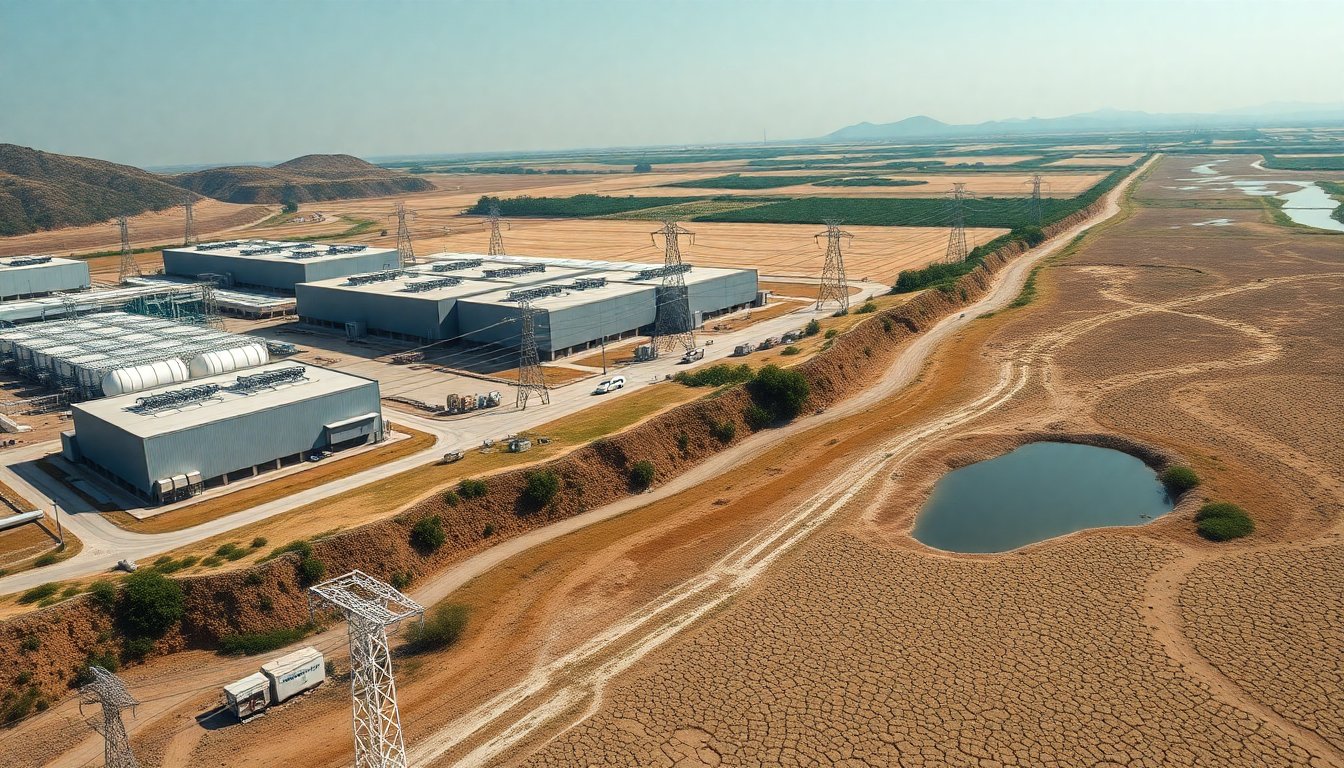
Data centres are physical facilities that host servers and networking equipment. Because these systems generate heat and operate continuously, they require robust cooling and a reliable power supply. That reality makes resource intensity — especially for water and electricity — a practical concern for communities near proposed or existing sites.
Some Indian cities targeted for expansion already face stress on local resources. Hyderabad and Pune have experienced significant water shortages, and local protests have previously drawn attention to water allocation and governance. Activists warn that adding high-demand facilities in these areas without clear disclosure or mitigation plans can exacerbate competition for water and strain local grids.
Transparency and policy gaps
Experts point out that India does not yet have a unified national framework to regulate data centre siting and to mandate public reporting on resource use. Instead, much of the regulatory action occurs at the state level, where authorities often prioritize investment attraction and offer tax incentives. A think-tank analysis found that only a minority of states with data centre policies explicitly address sustainability or resource management.
Analysts recommend standardized disclosure frameworks and stronger environmental safeguards. Without clear rules, it is difficult for communities, planners and researchers to assess how new facilities will affect local water tables, electricity demand and land use patterns.
Voices from communities and researchers
Local advocates and nonprofit researchers say residents frequently worry about land access, water allocation and whether promised local benefits will materialize. In some areas, disputes over land acquisition and environmental impacts have already reached courts, as villagers and farmers challenge the scope of development and raise concerns about pollution and loss of agricultural land.
Think tanks monitoring energy and water use underline that India currently generates a large share of the world’s data but maintains a far smaller share of global storage capacity. Projections indicate that demands on water and electricity from data centres could rise substantially in the coming years, intensifying competition with industrial and domestic users if not managed carefully.
International perspectives and shared questions
Delegations and officials from other countries attending the summit acknowledged similar dilemmas at home, where residents ask whether data centre growth will raise electricity rates or increase water stress. These international voices emphasize that the concerns are not unique to India and point to a need for clearer reporting and cross-border best practices on sustainable infrastructure.
Proposed responses include exploring more energy-efficient cooling technologies, prioritizing renewable power sourcing, recycling water within facilities and adopting policy instruments that require disclosure. However, advocates say adoption will depend on stronger regulatory incentives and community engagement.
As India positions itself as a major AI market, the challenge will be balancing rapid technological expansion with practices that protect local resources and ensure accountability. The choices made now around siting, transparency and sustainability could shape both the environmental footprint of the sector and public trust in its benefits.