
Table of Contents
Creative disputes at the intersection of physical and digital media
The creative landscape has folded in on itself. Where once print, shopfront graphics and web pages occupied separate realms, now physical design, online publishing and generative systems frequently collide. That collision blurs authorship, muddles brand identity and raises thorny questions about who owns what. A Hong Kong souvenir wall that echoed transit signage and the leap in realistic video synthesis are just two recent flashes that show how quickly trademark, copyright and impersonation disputes ignite. Winning these conflicts increasingly requires more than legal paperwork: it demands technical evidence — timestamps, cryptographic hashes and reproducible logs — that anchor a claim in verifiable process.
Who’s involved and what’s at stake
Designers, platforms, rights holders and the engineers behind generative tools all have skin in the game. The consequences go beyond pride or principle: lost sales, damaged reputation and the erosion of enforceable rights are real and measurable. These battles play out across marketplaces, social feeds and public spaces. When an object or image sits in an uncertain legal twilight, commercial activity stalls, enforcement becomes expensive, and ordinary transactions can spiral into protracted disputes.
A practical view from financial markets
During my time at Deutsche Bank I learned to treat provenance like a chain of custody for value: markets prize clear histories. When provenance is fuzzy, transaction friction grows, compliance costs rise and stakeholder confidence wobbles. The same logic applies to creative assets. Technical certification — secure timestamps, embedded metadata and detailed model logs — turns fleeting online artifacts into admissible evidence. Courts and regulators now expect forensic-grade detail alongside legal filings and witness statements, prompting fresh debates about what technical proof courts will accept and how platforms should vet content creators.
Case study: public signage mimicry and trademark exposure
When someone reproduces a distinctive logo or palette in a public space, the damage is not only aesthetic. Mimicry dulls distinctiveness, confuses customers and can divert foot traffic or strain distributor relationships. The Hong Kong souvenir incident — a shop removing wall lettering after readers noticed a close resemblance to transit signage — is a small but vivid reminder: reputational risk surfaces fast.
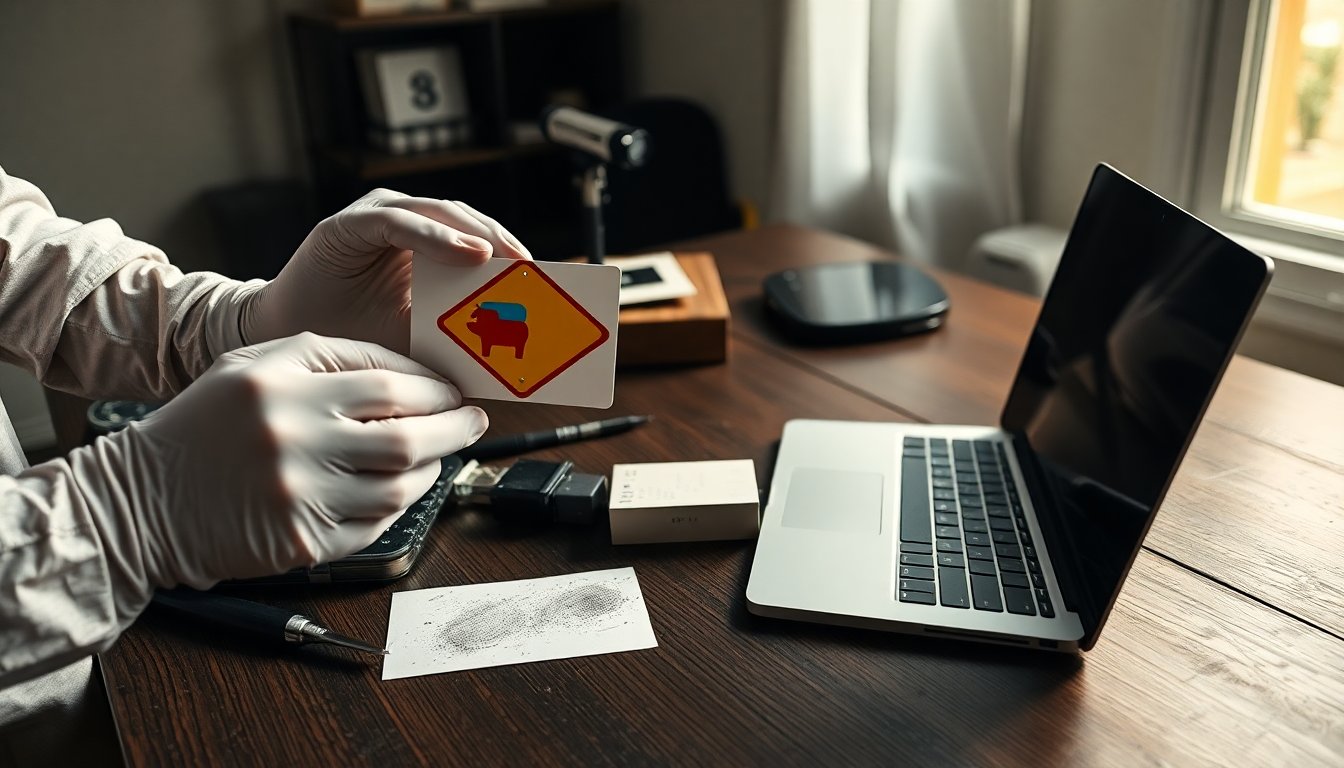
Treat these incidents as liquidity events. A brief burst of confusion can have outsized financial effects, so responses must be fast and documented. Forensics typically begin with secure capture: preserve original image files, generate cryptographic hashes, log metadata and maintain an unbroken chain of custody. Combine those technical records with clear license terms and a calibrated cease-and-desist protocol to build a credible defense against both analog counterfeiting and AI-assisted copying.
Legal and reputational terrain
Two legal threads usually run together in visible-design disputes: trademark concerns over confusingly similar marks and copyright claims about expressive elements. But beyond legal doctrine, there’s a reputational calculus. Brand owners often act preemptively to limit visible risk; hesitation tends to magnify harm. Regulators and courts are no longer satisfied by superficial comparisons — they scrutinize how evidence was gathered and whether it can be trusted. Solid forensic records improve the odds of injunctive relief, support damage calculations and help compliance teams set pragmatic risk limits.
Digital forensics: prevention and reaction
Digital forensics is both shield and scalpel. Preventively, platforms and brands can require provenance metadata on high-risk listings, audit model-use claims and deploy automated monitoring to detect suspicious echoes of protected marks. Reactively, forensic capture converts a transient social post or photo into a traceable artifact: preserved originals, cryptographic fingerprints and reproducible logs that show the who/when/how of creation. Such records make it easier to persuade platforms, courts and partners that a claim is legitimate.
Practical tools and standards
Useful tools exist today and standards are emerging. Practical measures include:
– Registering marks and maintaining clear ownership records.
– Recording creative processes in real time: draft files, timestamps, version histories and notes about model inputs.
– Using tamper-evident storage and cryptographic hashing to prove file integrity.
– Keeping reproducible model logs that trace prompts, seeds, model versions and any post-processing.
– Implementing monitoring systems that scan digital channels and flag potential infringements for immediate capture.
Operationalizing protection
What should teams actually do next week? Start with simple discipline and build from there. Rights holders should keep registrations current and document creative sessions as they happen. Platforms should require verified provenance for listings that touch on sensitive categories and make it straightforward to submit forensic records when problems arise. Creators who want their work to retain marketability should log assets, inputs and version histories so ownership is demonstrable. Legal teams should pair conventional filings with technical exhibits that together form a coherent, auditable narrative.
The road ahead
As synthetic media tools spread, expect more litigation and clearer regulatory guidance. The test will be whether legal frameworks and technical certification can be woven together tightly enough to close the gap between creative intent and enforceable rights. Whoever moves fastest to adopt verifiable provenance practices will have a material advantage: fewer surprises, lower enforcement costs and stronger protection of the brands and works people value.