
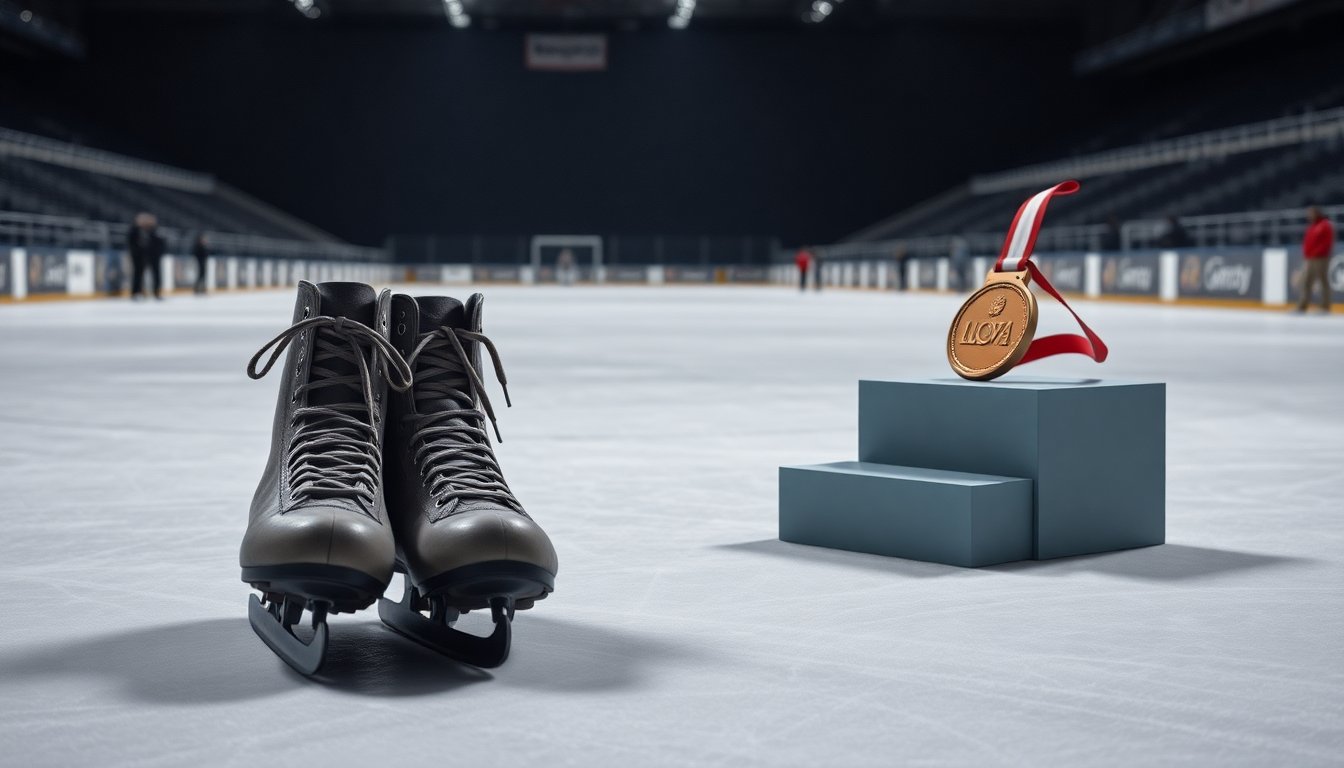
Laurent Dubreuil knows how a podium moment can dazzle a country. The Canadian long-track skater’s Olympic bronze in the 500 metres in Milan-Cortina put him in the spotlight — and he used that spotlight to warn Canadians that medals alone don’t fix deeper problems. Speaking from Heerenveen, where he’s preparing for the world long-track championships (March 5–8), Dubreuil painted a candid portrait of a system losing its footing: fewer resources, tighter choices for athletes and a growing risk to Canada’s depth at future Winter Games.
He admits that headline results can be misleading. A single medal hides what happens behind the scenes: shrinking budgets, fewer development opportunities and a steady whittling away of the supports that build champions. Even in a federation that’s relatively well funded by national standards, Dubreuil says he’s noticed declining resources over recent Olympic cycles. If that trend continues, Canada will rely on a shrinking handful of stars rather than a deep, sustainable pipeline.
That matters because talent doesn’t emerge fully formed. Coaching, competition exposure and up-to-date equipment — the three pillars of elite sport — require steady investment. Right now, Dubreuil argues, money shortages are forcing athletes and coaches into compromises: fewer training camps, less access to sports-science support, postponed equipment upgrades. Those small cuts add up and, over time, can erode a country’s competitive standard even while a few top athletes still bring home medals.
Dubreuil illustrated the issue with his own choices. Instead of flying home after the Olympics to celebrate, he went straight to the Netherlands to cut travel costs and stayed with a host family. He described his competition life as deliberately frugal — not glamour-free by preference, but by necessity. Those sacrifices are a symptom of a funding gap, he said: they’re not solutions and they shouldn’t be the expected norm for athletes with Olympic ambitions.
He also offered practical ideas to turn the diagnosis into action. Small, targeted stipends and travel grants would keep athletes from having to improvise housing or miss key training. Regional hubs for sports medicine and performance analysis could give more athletes affordable access to physiotherapy, nutrition guidance and data-driven coaching. Regular, modest equipment grants would prevent teams from falling behind technologically. And partnerships with universities and research institutes could bring innovation and shared resources at lower cost.
Dubreuil suggested funding strategies that mix public responsibility with private support — for example, transparent matching schemes that encourage sponsorship while preserving accountability. He pointed to international models that prioritize broad development over short-term medal-chasing: steady youth programs, regional coaching networks and measurable progression targets. He even mentioned a state lottery as one way some countries create a reliable revenue stream for grassroots and elite sport alike — not a cure-all, but one tool among several.
Accountability, he insisted, must accompany any new money. Regular audits, published spending priorities and outcome-based reporting help ensure funds reach athletes and programs rather than bloating overhead. Pilots and incremental changes, he suggested, allow policymakers to test what works while keeping athletes’ needs front and center.
On the ice, Dubreuil remains focused on performance. He says he believes he can still contend with top rivals at the worlds and beyond, but he’s blunt about the bigger picture: national success requires more than a few veterans carrying the load. Community support — the host families, the families at home, local clubs — supplements formal funding, but it can’t replace predictable, structural investment.
What’s at stake is clear: Canada can either let recent successes be fleeting highlights or build on them into something enduring. Dubreuil’s ask is straightforward — thoughtful reforms that keep sport accessible, competitive and inspiring for the next generation. He’ll keep training and racing while pushing for concrete steps that give future Canadian skaters a fair shot at the podium.