
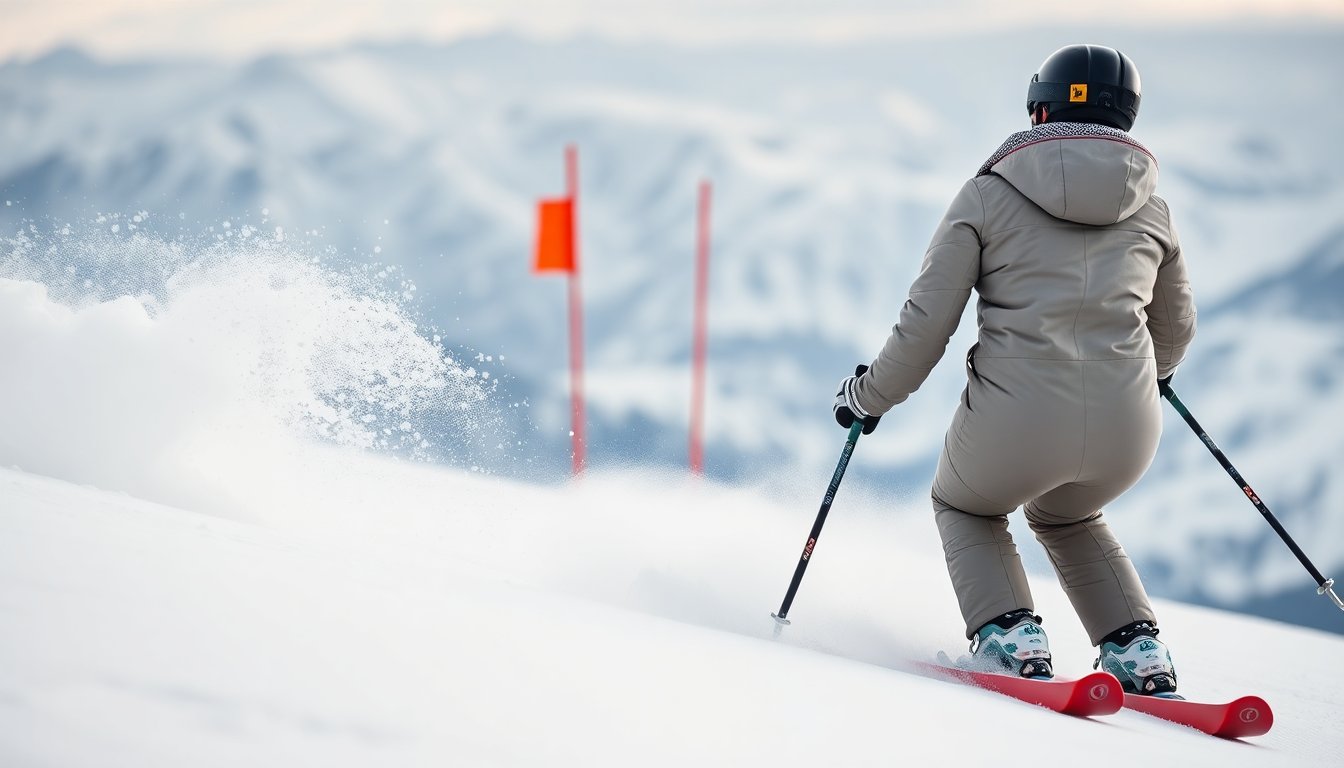
Mikaela Shiffrin reclaimed the Olympic spotlight in Cortina d’Ampezzo. On February 18, 2026, beneath blue skies at the Tofane Alpine Skiing Centre, the American delivered two razor-sharp slalom runs that left little doubt: she was the day’s best.
Early control, then finish
Shiffrin opened with an aggressive, technically flawless first run in bib 7 and built a 0.82-second lead. She didn’t just defend that advantage — she widened it, crossing the line about 1.5 seconds clear of the field. Clean transitions, steady rhythm and smart risk-taking turned tiny gains into a comfortable gold-medal margin. Switzerland’s Camille Rast and Sweden’s Anna Swenn Larsson completed the podium.
A milestone for her legacy
This gold is Shiffrin’s fourth Olympic medal and moves her past Lindsey Vonn as the most decorated American woman in Olympic alpine skiing. It also adds to a staggering career résumé that includes 108 World Cup victories. On form and on paper, she remains one of the sport’s defining athletes.
Conditions, equipment and execution
The course was firm and responsive — ideal for the kind of precision Shiffrin favors. She described pushing “a bit on the limit” and admitted there were moments when a small mistake could have ended her day. Still, she found the right balance between attack and control. Coaches, ski setup and nimble gate-to-gate technique all clicked into place, producing the kind of performance where minute details add up to decisive seconds.
More than a result: a comeback narrative
Cortina’s win reframes a recent stretch that many had read as a drought. After several high-profile starts without medals, this victory shifts the conversation toward resilience and return. Off the hill, Shiffrin has navigated injuries and personal loss; those realities make the win feel both athletic and deeply human. She spoke about wanting to “feel free” and to “unleash” — words that matched the way she skied: composed but fierce.
What this means going forward
At 30, she’s not slowing down. With the World Cup calendar resuming, attention will swing back to season titles and consistency across events. For teams and federations, Cortina underlines how aligning preparation, mental-health support and race-day strategy pays off. For Shiffrin, the gold is likely to refuel momentum and change how fans and sponsors frame her season.
Bigger-picture takeaways
Cortina didn’t produce a single dramatic moment so much as a clean synthesis of preparation, conditions and execution. The result highlights a few clear trends in elite winter sport: storytelling matters (human arcs travel fast), psychological readiness is now a core performance pillar, and small technical gains compound into big outcomes. Practically speaking, teams that pair technical polish with robust mental-health and communications plans will be better positioned to turn one victory into lasting advantage. She left the Tofane course with gold, a thicker legacy and a reminder that the sport still rewards precision, focus and the ability to deliver when it matters most.