
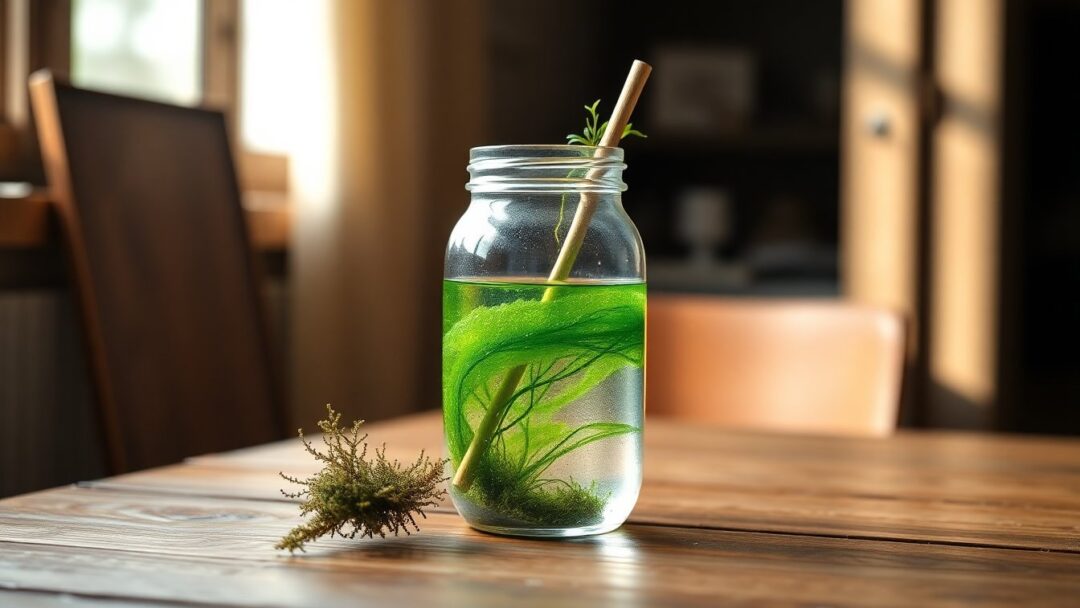
The Lincoln Memorial Reflecting Pool, a iconic landmark on the National Mall, recently turned a vibrant green due to an algae bloom, just days after a US$15 million renovation. The U.S. government’s initial response involved expensive chemical and technical solutions, but there are more sustainable and cost-effective alternatives that work with nature rather than against it.
Understanding the ecological dynamics at play is crucial for maintaining water quality in urban water features, from national monuments to community ponds. The Reflecting Pool’s transformation offers a unique opportunity to explore these natural solutions.
The Ecological Factors Behind the Reflecting Pool’s Algae Bloom
The Reflecting Pool’s size—more than a third of a mile long and around 165 feet wide—combined with its shallow depth, made it susceptible to rapid warming. During the spring 2026 renovations, the pool was repainted a darker “American flag blue,” which absorbed more heat. Additionally, the pool was refilled with water from the nutrient-rich Potomac River tidal basin, creating ideal conditions for algae to thrive.
The resulting algal bloom turned the water a pea soup green, prompting the government to invest in solutions like hydrogen peroxide, vacuums, and even nanobubble ozone technology costing an additional $1.7 million. However, these interventions are often temporary and can disrupt the aquatic ecosystem.
Nature-Based Solutions for Algae Control
Limnologists scientists who study inland water bodies, have long understood that nutrient-rich waters fuel algal growth. However, natural ponds also host grazing zooplankton such as Daphnia or water fleas, which consume algae before it becomes a nuisance. These tiny crustaceans can significantly improve water quality by controlling algae levels.
Daphnia are not only effective grazers but also possess the ability to evolve rapidly. They can adapt to harsh urban environments, making them an ideal solution for algae control in urban ponds. Moreover, rooted aquatic plants absorb nutrients, further helping to prevent algal blooms in shallow ponds.
The Role of Daphnia in Urban Waterbodies
Daphnia populations can evolve to tolerate high temperatures, low oxygen levels, and even cyanotoxins produced by harmful algae. This adaptability makes them a valuable asset in managing water quality in urban water features. However, draining and refilling a pond can reset the aquatic ecosystem, removing these evolved populations and their beneficial traits.
By maintaining a diverse and connected ecosystem, urban water features can become more resilient. Introducing a variety of species and genotypes, along with providing corridors for organism movement, can enhance the ecosystem’s ability to adapt to changing conditions, such as rising temperatures.
Embracing Nature-Based Solutions
The Reflecting Pool’s algae bloom highlights the limitations of engineered solutions and the potential of nature-based approaches. From urban forests providing cooling and improving air quality to wetlands reducing flooding and recharging groundwater, these solutions offer sustainable benefits for both nature and people.
Projects of all sizes can take advantage of nature-based solutions. By understanding ecology and the mechanisms of ecosystem resilience, we can achieve long-term, sustainable solutions that benefit both the environment and human well-being. The Reflecting Pool’s transformation serves as a reminder that sometimes, the best solutions are those that work with nature, not against it.


