
Table of Contents
The sporting landscape recently produced two striking storylines: Norway emerged as the top gold-medal winner at the Winter Olympics, and a little-known Norwegian soccer club executed an improbable victory over Inter Milan in the Champions League. Meanwhile, curling at Milano Cortina captured attention with tightly contested matches and broad streaming availability. These events underline how concentrated excellence and unexpected results coexist in modern sport.
Across winter arenas and European pitches, the narratives combined elite preparation with the thrill of the upset. The curling program, running from February 4 to February 22, , showcased precision sportsmanship, while in club soccer the tactical savvy of an underdog team overturned conventional expectations, eliminating one of Italy’s heavyweight sides.
Norway’s Winter Games dominance
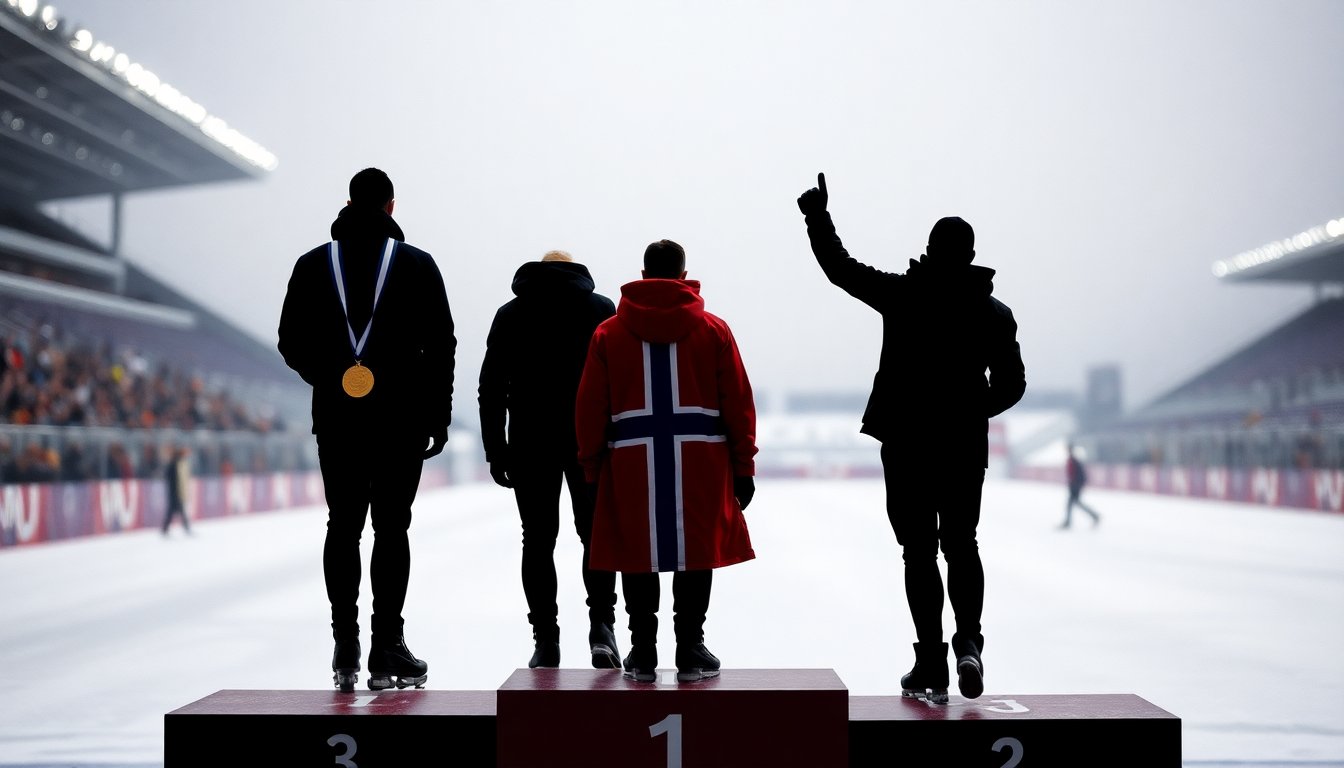
Norway once again demonstrated why it is often described as a powerhouse in Winter sports. The nation led all countries in gold medals, reinforcing a long-standing pattern of success built on investment in grassroots development, athlete pathways and a culture that prizes winter disciplines. This result was not a fluke but the outcome of systems that prioritize year-round training and data-driven preparation.
Behind the medal count were incremental gains in sports science, coaching, and talent identification. Norway’s approach combined tradition with modern methods: a broad base of participation that funnels elite talent into specialized programs, supported by robust funding and facilities. The result was consistent podium finishes across skiing, skating and other snow-and-ice events.
Curling at Milano Cortina close margins, wide access
The curling competitions at Milano Cortina highlighted how the sport hinges on minute differences—millimeters on the ice, split-second strategy calls and flawless execution. The mixed doubles event opened the curling program, and by the end Sweden had claimed gold in mixed doubles, edging the United States in a final that emphasized delicate shot-making and tactical sweeping.
Host nation Italy found success as well, securing the bronze medal after a tense victory over Great Britain. That result energized home fans and illustrated how national teams can leverage experience to climb the podium in tight tournaments. Throughout the Games, the curling schedule offered sustained drama across three competitions: mixed doubles, men’s team and women’s team events.
Viewing options and accessibility
Curling at the Winter Olympics attracted global viewership, helped by substantial free-streaming options. Broadcasters in several countries provided no-cost access, including BBC iPlayer (UK), CBC Gem (Canada), 9Now (Australia) and RTÉ Player (Ireland). In the United States, comprehensive coverage was available through Peacock and linear partners like NBC, USA Network and CNBC.
For traveling fans or those outside national broadcast regions, virtual private networks (VPNs) were widely discussed as a method to access home-country streams. While VPNs can help maintain viewing continuity, outlets and providers stress users should respect regional terms and licensing conditions.
Bodo/Glimt’s Champions League shock
On the European soccer stage, a dramatic upset captured headlines when a modest Norwegian club eliminated Inter Milan from the Champions League. The result was emblematic of how modern soccer allows tactical organization, collective belief and precise execution to override differences in budget and pedigree. The tiny club’s success was built on coherent game plans, energetic pressing and clinical finishing at crucial moments.
Inter Milan, a club with a storied history and extensive resources, entered the tie as heavy favorites. Yet football is unforgiving: a single inspired performance or a lapse in concentration can reverse expectations. The Norwegian side capitalized on these margins, producing a result that will be studied by coaches and analysts as an example of perfect preparation and opportunism.
Why upsets matter
Upsets like this do more than fill highlight reels—they alter perceptions, redistribute momentum across competitions and provide smaller clubs with financial and reputational dividends. For fans, they reaffirm the sport’s unpredictability; for players, they create defining career moments; and for managers, they offer tactical blueprints that other teams can emulate.
In sum, the recent confluence of Norway’s Winter Olympics success, the drama of curling at Milano Cortina , and the Champions League upset against Inter Milan illustrate sport’s dual nature: predictable excellence and the enduring possibility of astonishment. Together these stories reinforce why global audiences remain captivated by competition at every level.