
Table of Contents
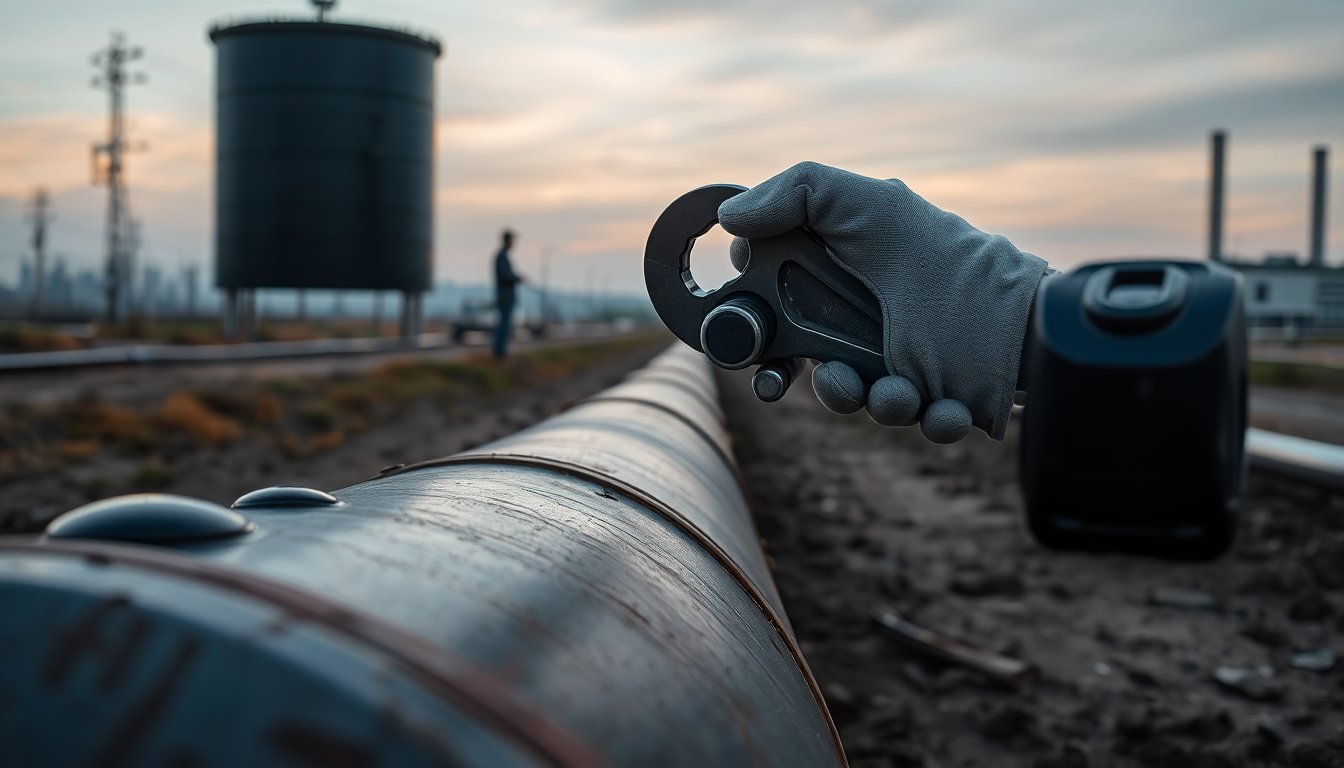
On March 5, 2026, Hungary’s prime minister escalated a battle over energy supplies into a central theme of his campaign. Viktor Orbán said he would break the oil blockade on the Druzhba pipeline “by force” in a public address, asserting that Budapest would not accept any compromise while seeking to restore Russian crude deliveries.
The exchange quickly drew a pointed reaction from Kyiv: President Volodymyr Zelenskyy dismissed Orbán’s declaration and said the pipeline could be repaired in roughly six weeks, framing the dispute around conditional moves tied to a major European financial package.
The political context: an election framed by energy
The pipeline row has become inseparable from Hungary’s domestic politics. With parliamentary elections scheduled for April 12, Orbán has amplified the issue to portray himself as defending Hungarian energy security. Polls released late last month showed his challenger, Péter Magyar of the pro‑EU Tisza party, leading by roughly eight percentage points — a dynamic that helps explain the ferocity of the rhetoric.
Orbán has argued that Kyiv is deliberately delaying repairs to the Druzhba line to pressure Hungary and Slovakia, a claim Ukraine rejects. Budapest counters that the route is technically operable and that the transit halt deprives Central Europe of cheaper Russian oil, creating domestic economic and political strain that benefits the opposition.
Kyiv’s position and the EU loan link
Ukraine maintains the pipeline was damaged by wartime shelling and has been cautious about enabling a resumption of flows that would allow Moscow to collect transit revenues. President Zelenskyy, however, said Kyiv could authorize repairs within about six weeks — a timeline he used to underscore his view that Kyiv’s cooperation would be conditional on broader EU support.
The dispute ties directly into a stalled financial package: Budapest has blocked a roughly €90 billion EU disbursement to Ukraine, negotiating its thaw as part of the broader quarrel over energy. Kyiv’s public statements suggest it may be willing to reopen transit if the EU financial lifeline is unblocked, making the pipeline both a tactical lever and a bargaining chip in larger diplomatic talks.
Escalatory language and implied threats
As tensions rose, Zelenskyy adopted a mocking tone toward Orbán’s threats — and then added a sharper note by suggesting Ukrainian forces could be sent to Hungary to “speak with him in their own language” if political obstruction continued. That comment was presented as both a rhetorical retort and a means of highlighting the stakes tied to military assistance and EU cohesion.
Regional dynamics and allied responses
The Druzhba dispute is not limited to Budapest and Kyiv. Slovakia, which also depended on pipeline supplies, has coordinated some responses with Hungary, while EU institutions are navigating the diplomatic friction between member states and Ukraine. Officials in Bratislava have floated reciprocal measures, and ministers from Hungary and Slovakia have discussed joint assessments of the pipeline’s condition.
Within the European Union, the standoff complicates efforts to present a unified energy and security policy. Some capitals prioritize maintaining pressure on Moscow, while others worry about national fuel prices and supply continuity. The result is a complex mix of domestic politics, alliance management, and energy security calculations.
Public opinion and electoral implications
Energy costs and supply fears are potent political motivators. The pipeline controversy has fed narratives about foreign interference, Brussels’ policies on Russian energy, and the opposition’s alleged ties to EU institutions. For Orbán, emphasizing immediate access to inexpensive crude is a way to rally voters worried about heating, transport costs and economic stability ahead of the ballot.
For his opponents, pushing back against resuming transit from Russia is presented as aligning with broader European sanctions and solidarity with Ukraine. The clash therefore forces voters to weigh short‑term material concerns against geopolitical and ethical considerations.
What comes next
Diplomatic avenues and technical inspections remain possible paths to de‑escalation: joint investigative teams, third‑party assessments of the Druzhba infrastructure, and mediated talks over the conditionality of EU funding. Yet the proximity of the election and the highly politicized environment make a quiet resolution difficult in the short term.
As the campaign unfolds, the pipeline issue will likely stay prominent: it is at once a matter of energy security, a bargaining chip in EU‑Ukraine negotiations, and a rallying cry in Hungary’s domestic contest. Observers will be watching whether pressure from Brussels, Kyiv or fellow EU capitals can produce a technical fix and a political compromise before the vote.