
Table of Contents
The recent clash between the United States and Iran has been framed by competing assessments of risk, strategy and consequence. A Wall Street Journal report published on March 14, 2026 revealed that the president warned his advisers Tehran might capitulate rather than close the Strait of Hormuz, yet proceeded with military action anyway. That calculation—rooted in confidence that pressure would produce a quick outcome—has collided with reality: the conflict expanded rapidly, disrupting shipping, raising oil prices and drawing in regional partners.
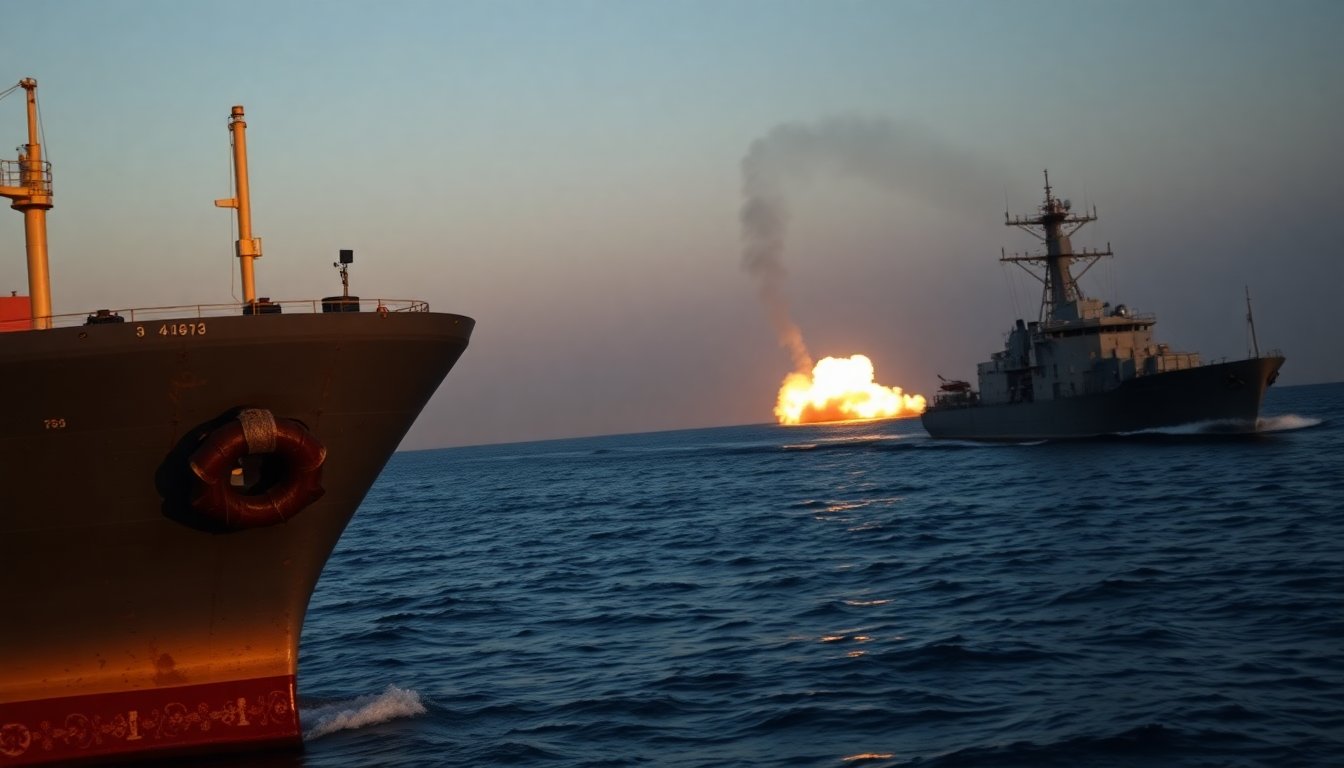
What followed were intense strikes, naval operations near the critical waterway and broad diplomatic ripples. U.S. forces reported neutralizing multiple vessels described as minelayers near the strait, while allies coordinated to protect merchant traffic. At the same time, leaders across Europe and the region warned about the war’s secondary effects, from a surge in energy revenue for rival states to the diversion of military focus away from other theaters. These developments underscore how a decision taken with assumptions about Tehran’s response became the catalyst for wider instability.
What informed the decision and the tactical moves that followed
According to reporting, the administration advanced a strategy premised on forcing Iran into submission without provoking a full closure of the strait. The president’s private view—that Tehran would blink—shaped public and operational posture. Once hostilities commenced, U.S. commanders prioritized destroying Iranian naval capabilities, interdiction of seaborne threats and targeting missile production sites. The elimination of vessels accused of laying mines was described by military spokespeople as an effort to secure the shipping lanes through the Strait of Hormuz and to protect global energy flows.
Those moves were paired with a political messaging campaign that framed the campaign’s objectives as precise: to degrade Iran’s ability to threaten neighbors and to prevent acquisition of nuclear capability. The White House emphasized that operations would end when the commander in chief judged core aims achieved, leaving open the timeline for an exit. Critics immediately questioned the wisdom of entering a conflict that could require prolonged commitments if Tehran resisted or if the region’s proxy dynamics widened the war.
Regional dynamics and competing aims among allies
The fighting revealed cleavages in allied objectives. Israeli officials have focused on degrading Iran’s military reach and dismantling proxy networks, while U.S. rhetoric at times suggested a desire for deeper political transformation inside Tehran. A former Israeli national security official summarized the difference as operational versus political endstates: one side seeks to neutralize threats, the other seeks to influence Iran’s future governance. This divergence complicates coalition management even as military coordination has proceeded on the battlefield.
Naval security and freedom of navigation
Protecting maritime commerce became a central theme as threats to tanker traffic rose. Britain and other partners discussed options to maintain freedom of navigation, and coalition naval assets were repositioned to escort ships and deter attacks. The confrontation around the strait amplified concern about the global energy market: with roughly 20% of the world’s oil transiting that corridor, any sustained disruption pushed oil prices higher and created fiscal windfalls for some export-driven economies.
Who gains from the chaos?
Observers warned that not all consequences hurt U.S. interests. As energy markets tightened, oil‑dependent states benefited from higher export revenues. European officials noted that rising energy income and reduced strategic attention on other conflict fronts could advantage adversaries like Russia, which relies heavily on energy exports to fund military operations elsewhere. The result: a complex strategic landscape in which tactical successes could translate into unintended geopolitical gains for rivals.
Humanitarian fallout and political fallout at home
The conflict’s human cost spread beyond battlefield targets. Airstrikes and exchanges in Lebanon displaced thousands, with shelters and stadiums filling as civilians fled. Reports also described missile strikes, intercepted drones and civilian casualties in multiple countries, heightening regional humanitarian needs. In parallel, stories emerged of Iranian athletes and dissidents seeking refuge abroad; some were issued humanitarian visas and relocated to safe sites amid protests and fears for their safety.
On the domestic front, lawmakers demanded answers. Senior senators asked for public hearings to examine the case for war, and congressional leaders debated the prospect of extended nation-building or whether the United States should avoid such commitments. Voices across the political spectrum argued about the right balance between achieving security objectives and limiting long-term entanglement. As the administration maintained that it would stop operations once objectives were met, critics insisted on oversight and clear benchmarks.
Where things might head next
In the near term, expect continued naval patrols, coalition efforts to secure shipping and targeted strikes aimed at disabling Iran’s military infrastructure. Diplomacy will run in parallel to manage escalation and to coordinate humanitarian assistance. The larger strategic question remains whether the initial gamble—that pressure would produce a swift capitulation—will hold up, or whether the conflict will settle into a protracted contest with shifting winners and losers. Either way, the decision to act despite known risks has already reshaped the region’s security and the global energy landscape.