
Table of Contents
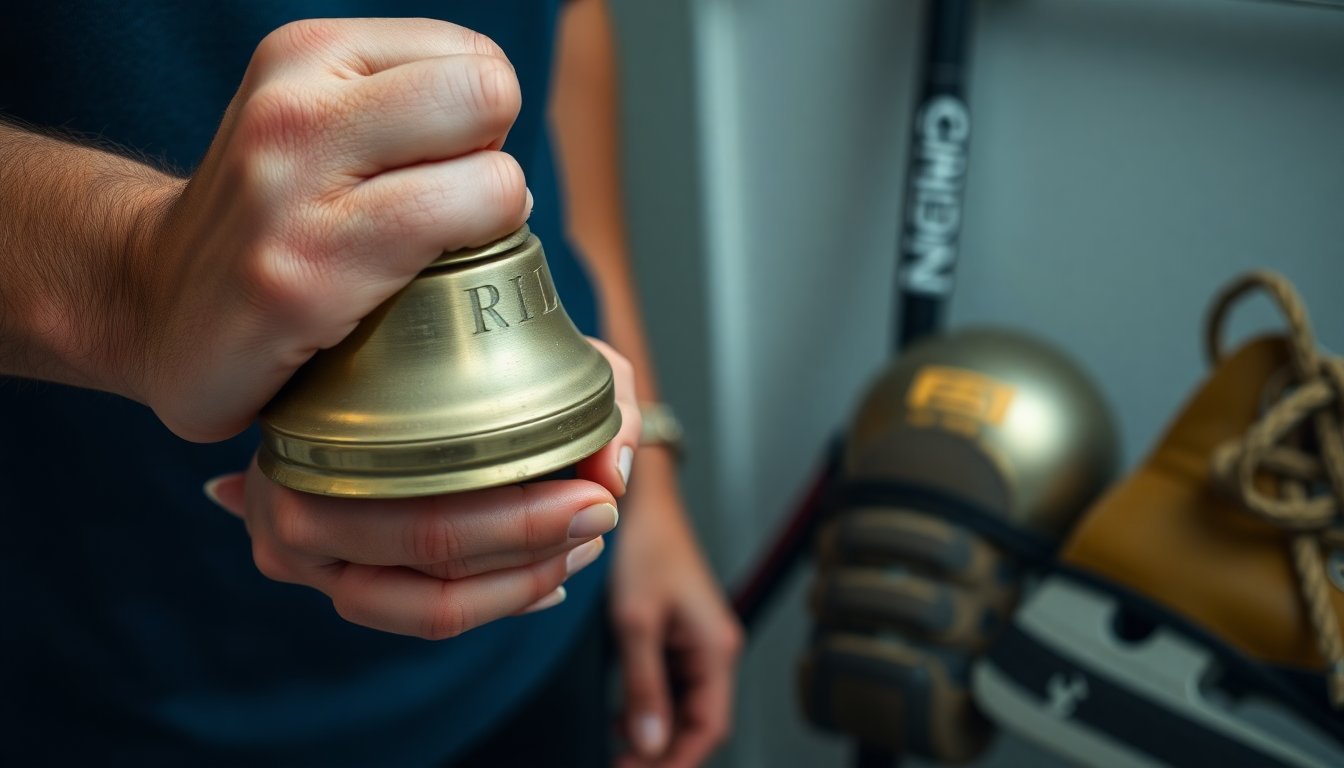
Raphaëlle Tousignant has become a prominent figure in Canadian sport not just for her play but for the way she confronts adversity. The 23-year-old from Terrebonne, Quebec, recently completed a course of chemotherapy and marked the milestone by ringing the bell that symbolizes the end of treatment. She is preparing for a double mastectomy in just over a month, a planned next step in her care. Throughout this period Tousignant maintained her training regimen, refusing to withdraw from the routines that sustain her performance and sense of normalcy.
Her medical situation gained further complexity when genetic testing revealed she lacks a key tumor-suppressing gene, a diagnosis associated with Li-Fraumeni syndrome. That discovery means ongoing vigilance will be necessary, even as she celebrates the recent completion of chemo. Tousignant has candidly described how knowing this genetic risk allows her and her medical team to take a more proactive approach to surveillance and intervention, with the goal of reducing the likelihood of future, more aggressive treatments.
Balancing treatment with an athlete’s drive
Tousignant’s determination to keep training during treatment highlights a deliberate choice to preserve athletic identity and momentum. Maintaining on-ice work and conditioning through difficult weeks of therapy was, in her words, a significant victory — a way to assert that cancer would not define her entire season. That mindset helped her stay connected to teammates and to the larger mission she has embraced: expanding opportunities for women in Para hockey. The routine of practice and competition provided structure and a tangible measure of progress at a time when medical updates dominated daily life.
Medical outlook and management
While the immediate chemo phase is complete, Tousignant’s path includes surgical steps and ongoing monitoring. The planned double mastectomy is intended to reduce recurrence risk, and regular imaging will follow to confirm remission status. Her diagnosis of Li-Fraumeni syndrome shifts the conversation from short-term recovery to a longer-term surveillance plan, coordinated with specialists who focus on hereditary cancer syndromes. Tousignant has emphasized that this knowledge, although sobering, also empowers her to work closely with clinicians to catch any new issues earlier and limit the need for more intensive future therapies.
Trailblazing on the ice
On the sporting side, Tousignant has already broken barriers. She was the first woman named to Canada’s roster for the world championship when the event was hosted in Moose Jaw in 2026, a landmark moment for female representation. More recently she was part of Canada’s squad at the inaugural women’s world championship in Slovakia last August, helping the team reach the final against the United States. Those milestones feed into her larger objective: making sure women’s Para hockey has an established and permanent place at the Paralympics.
The Paralympic inclusion debate
Although Para hockey at the Paralympic level is officially a mixed sport, the number of women who have played at Games remains extremely small. Only four female athletes have ever competed at a Paralympic tournament, and at Milano-Cortina Games the only woman on the ice among eight rosters was Japan’s Akari Fukunishi. International Paralympic Committee leadership has said that the addition of a women’s tournament requires sufficient global participation — ideally six to eight national teams — before it can be introduced. Tousignant questions that threshold, pointing out that the sport first appeared on the Paralympic program in Lillehammer with just five teams, and that more inclusive thinking now could accelerate parity.
Next goals and broader impact
Tousignant’s immediate sporting aims include continuing to compete at the highest level and working toward selection for a Paralympic roster, whether via the current mixed-team pathway or through a future women’s tournament. Beyond personal ambition, she sees a responsibility to use her profile to expand the sport’s reach: encouraging young women and girls to try Para hockey, and urging federations and hosts to organize championship events. She has warned that momentum could stall without a second women’s world championship and that a missed follow-up event could delay Paralympic inclusion until the 2030 cycle or beyond.
Legacy and inspiration
Despite health setbacks, Tousignant remains optimistic about the lasting effect of her work. She believes that every barrier she challenges — from breaking into world championship rosters to speaking publicly about cancer and genetic risk — contributes to a larger cultural shift. Whether she reaches the Paralympic ice in 2030 with a women’s tournament or continues to vie for a mixed-team berth, her combination of athletic achievement and advocacy has already inspired many across Canada and internationally to view women’s Para hockey as a sport ready for broader recognition.