
Table of Contents
On February 17, 2026, a cluster of events shifted the tenor of U.S. national security discussions. The Pentagon announced additional strikes on vessels it described as linked to drug smuggling, while carrier strike groups and other naval assets began repositioning toward the Middle East. At the same time, a heated domestic debate flared over the military’s growing use of artificial intelligence and the civil‑liberties risks that accompany it. Papers reviewed for this investigation show officials portrayed these moves as connected responses to evolving threats, regional deterrence needs, and rapid technological change. Operational choices, geopolitical signaling and concerns about governance all converged on the same day, reshaping policy conversations across Capitol Hill and the Pentagon.
What the records show
- – Pentagon statements that day described precision strikes against vessels identified as suspected drug‑smuggling platforms. Those public announcements ran alongside releases about the movement of U.S. carrier strike groups and supporting assets toward parts of the Middle East. Military leaders framed the redeployments as defensive measures to preserve regional stability.
- – Internal memos flagged legal and ethical questions about the expanding use of algorithmic systems in targeting and surveillance. Congressional staffers and civil‑liberties groups pressed for briefings within hours, demanding transparency and limits on data collection.
- – Taken together, the documentary record points to three parallel threads: kinetic operations at sea, rapid force‑posture adjustments in a sensitive region, and an intensifying domestic debate over how—and whether—emerging technologies should be used in defense operations.
A compressed timeline
Early on February 17 the Pentagon publicized additional maritime strikes. Later the same day officials confirmed carrier redeployments. Internal planning messages circulated in defense and congressional offices overlapped with public disclosures. Civil‑liberties advocates questioned whether existing legal authorities and safeguards were adequate to govern algorithm‑assisted operations. The sequence suggests operational orders and strategic signaling were issued concurrently, and that public oversight pressures mounted almost immediately.
Maritime strikes and interdiction campaign
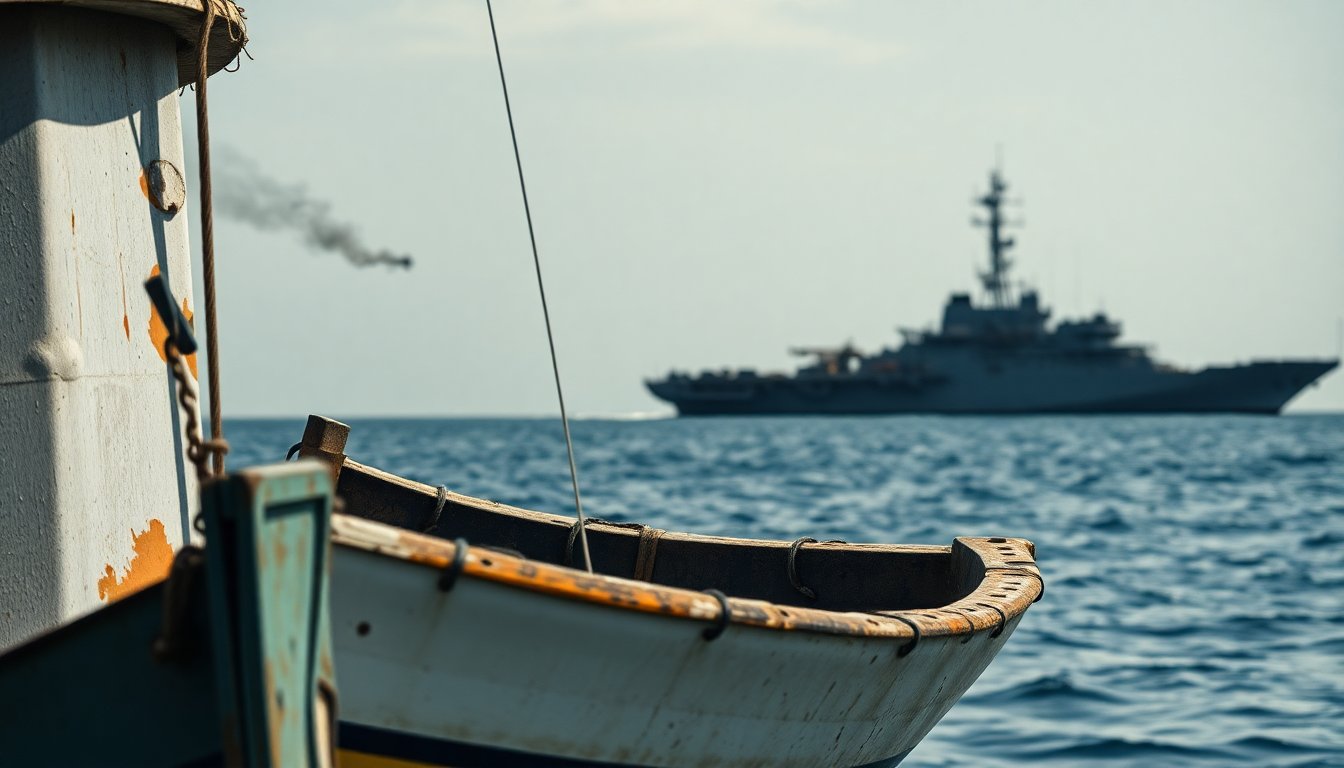
Documents reviewed indicate U.S. forces conducted three additional at‑sea strikes that resulted in 11 deaths—part of a broader counter‑narcotics campaign that, since September, appears to have included nearly 40 strikes and a reported 133 fatalities. Operational summaries and briefings describe detection, tracking and engagement of small, motorized vessels assessed as transnational criminal threats. Internal legal reviews were opened, though many of their findings remain shielded from public view. These files show commanders balancing the demand to sustain interdiction missions with the need to prepare forces for possible large‑scale contingencies elsewhere.
Operational trade‑offs for naval planners
Redirecting a second carrier strike group—including the USS Gerald R. Ford—provides immediate naval firepower and a clear strategic message. It also strains maintenance cycles, crew rotations and the logistics tail that supports sustained deployments. Risk assessments in Navy memos list deferred maintenance items, projected crew fatigue and increased demands for escorts, aerial refueling and ordnance resupply. Planners weighed alternatives—greater use of allied forces or shore‑based airpower—but decisions ultimately hinge on maintenance windows, port agreements and legal reviews of rules of engagement. The short‑term deterrent effect is real; the long‑term trade‑offs to global readiness are significant.
Iranian signaling in the Strait of Hormuz
At the same time, records show a noticeable uptick in Iranian maritime activity coinciding with diplomatic talks in Geneva. Tehran temporarily closed sections of the Strait of Hormuz for live‑fire drills and amplified footage of missile firings and patrols through state media. Satellite and AIS data reviewed by this investigation show concentrated vessel movements near the closure zones. Internal U.S. communiqués emphasized heightened readiness. Analysts familiar with the material described the drills as calibrated signaling intended to bolster Tehran’s bargaining leverage without committing to broader offensive operations. Still, even brief closures raise insurance costs for shippers and increase the risk of miscalculation.
Contingency planning for strikes and reprisals
U.S. planning documents and field reports outline preparations for sustained operations against Iranian state and security targets—not limited to nuclear facilities. Planners assumed Iranian reprisals and modeled escalation ladders, dispersing and hardening critical assets, repositioning missile‑defense batteries, and elevating readiness at forward bases. Force posture changes included redeploying Patriot batteries and widening operational arcs for strike groups, pre‑positioning munitions and synchronizing logistics to enable higher sortie rates if needed. The aim is deterrence, but commanders warn that demonstrated force can also harden resolve and narrow diplomatic options.
Use of commercial AI in operations
Among the most contentious disclosures: records suggesting Defense Department personnel used Anthropic’s commercial model Claude during an operation tied to a reported abduction attempt of a foreign leader. Chat logs, memos and operational summaries reference the tool by name and show outputs were used to refine target assessments and messaging options. Some internal documents labeled those outputs “decision support.” Legal teams raised questions about data retention, access controls and whether commercial model outputs meet standards for vetted intelligence. Vendor personnel maintained log access. No documents show autonomous weaponization, but the files do indicate the model influenced choices under time pressure—highlighting a governance gap and sparking urgent legal and ethical debate.
Domestic subpoenas, protest monitoring and privacy concerns
Separately, the Department of Homeland Security issued administrative subpoenas to major tech companies—Google, Meta, Reddit and Discord—seeking user logs, IP data and metadata tied to accounts that monitored or criticized immigration enforcement after several fatal encounters provoked local protests. Company responses varied: some handed over metadata, others provided fuller records under threat of court orders; some notified users. Internal tracking lists linked requests to accounts that shared coordinates or images of enforcement actions. Civil‑liberties groups are preparing complaints and asking federal watchdogs for records. The episode sharpened tensions over the balance between public safety and constitutional protections for protest and speech.
Institutional and political pressures
The documents show these operational, technological and domestic threads are interacting in ways that intensify political scrutiny. Senior leaders faced questions about public statements and staffing moves that critics say risk politicizing the uniformed services. Program managers raced to field machine‑assisted tools while legal advisers and oversight bodies tried to catch up. Private contractors and commercial platforms supplied key services, yet no single office had clear, enforceable oversight over all commercial‑AI use. That diffusion of responsibility produced inconsistent practices and unclear accountability.
Policy implications
Three broad implications run through the material:
- – A more assertive regional posture aims to deter, but it increases the risk of miscalculation—particularly with Iran—if movements are read as escalation rather than reassurance.
- – Sustained redeployments and repeated strikes strain readiness and logistics, forcing painful trade‑offs between immediate deterrence and long‑term surge capacity.
- – The rapid adoption of commercial AI in operational contexts exposes gaps in law, oversight and ethics: who audits outputs, who retains data, and when does “decision support” become a decision?
What to watch next
Documents and interviews suggest the next phase will feature intense oversight and policy wrestling: congressional briefings and inquiries, internal Pentagon reviews, and possible litigation from advocacy groups. Officials are expected to produce legal assessments and greater transparency about strikes, ship movements and AI safeguards. Military planners will continue posture adjustments as regional events unfold, while companies may revise disclosure and notification practices. Ultimately, the coming weeks will test whether governance reforms can keep pace with fast‑moving operational demands—and whether those reforms will restore public confidence that force and technology are being used within clear, accountable limits.
Method note
Early on February 17 the Pentagon publicized additional maritime strikes. Later the same day officials confirmed carrier redeployments. Internal planning messages circulated in defense and congressional offices overlapped with public disclosures. Civil‑liberties advocates questioned whether existing legal authorities and safeguards were adequate to govern algorithm‑assisted operations. The sequence suggests operational orders and strategic signaling were issued concurrently, and that public oversight pressures mounted almost immediately.0