
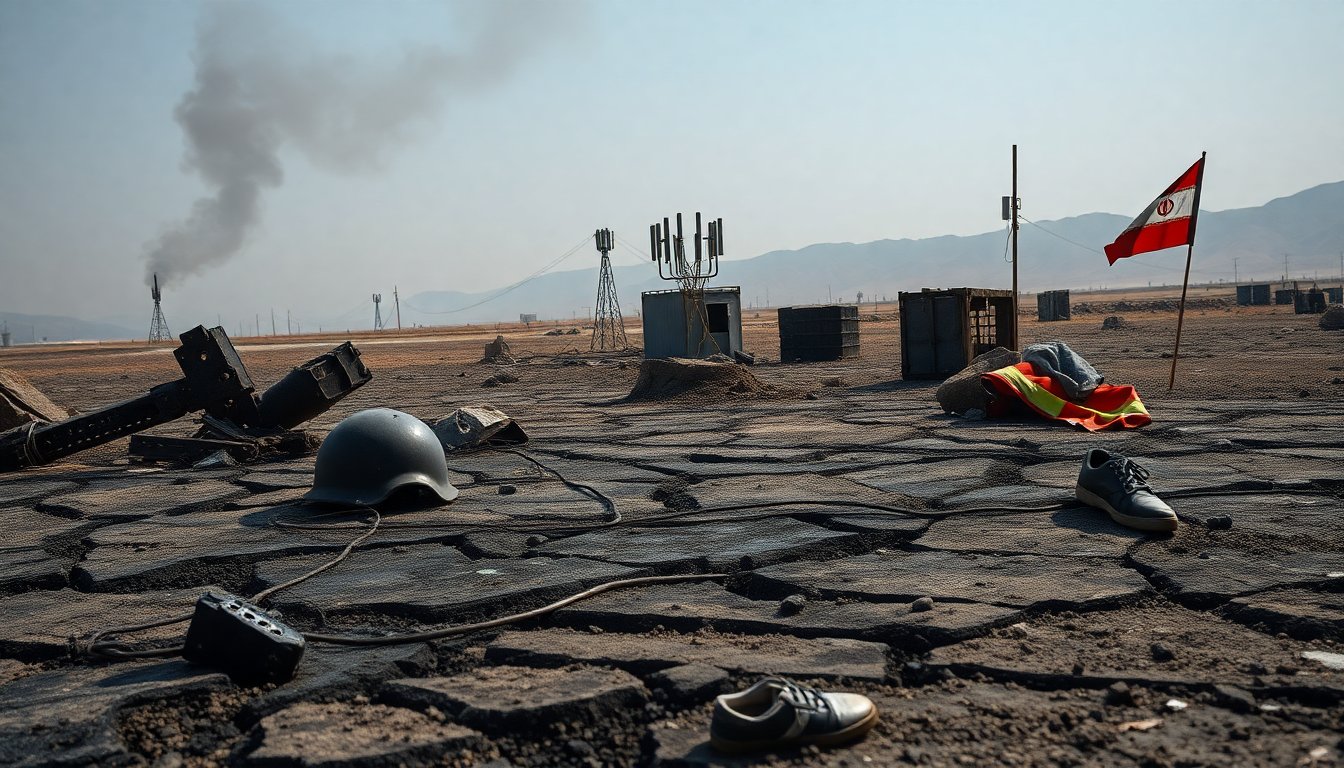
On 28, Israeli forces struck targets inside Iran in what they called a preventative operation. The move came while Tehran and Washington were again negotiating elements of Iran’s nuclear programme. Israeli officials said the strikes aimed to disrupt an imminent threat; Iranian authorities reported damage and condemned the action in strong terms. The episode fits into a familiar pattern of regional friction that observers fear could escalate into a wider military clash. Technically, it also highlights how long‑range strike systems, real‑time intelligence and layered defences intersect during cross‑border operations.
What preventative strikes demand Preventative strikes rely on a precise choreography of intelligence, surveillance and precision fires. Planners stitch together signals intercepts, satellite imagery and human reports to build a picture that feels reliable enough to act on. That mosaic feeds into command-and-control networks, strike platforms and long‑range delivery systems. Even with careful vetting, danger remains: targets can be misidentified, civilians can be harmed, and the action can trigger a cascade of retaliation. Legal advisers, diplomats and operational commanders typically debate the immediacy of the danger versus international-law obligations and the political cost of taking kinetic action.
The debate over their use Supporters say well‑timed, narrowly tailored strikes can blunt an impending attack and protect national security without launching a full-scale war. A precise, time-sensitive blow may degrade an adversary’s ability to strike, creating breathing room for diplomacy. Critics counter that the margin for error is razor-thin: a single mistake can set off miscalculation, civilian suffering and a spiral of reprisals. Humanitarian groups and civil-society watchdogs add a third concern: calls for clearer evidence that a threat truly was imminent and for greater transparency about what informed the decision.
How they play out on the ground and beyond States point to preventative strikes as a tool to neutralise specific dangers, shield critical infrastructure and deter hostile behaviour. But these operations ripple outward. They complicate arms-control verification, force neighbouring states to rethink deployments, and can disrupt shipping and commerce. International organisations and NGOs typically track such incidents closely for legal compliance and humanitarian impact. History suggests the risk of unintended escalation is lower when strikes are paired with active diplomatic channels and clear communication lines between rival capitals.
Market and regional fallout News of cross‑border strikes tends to spook markets and regional actors alike. Energy and defence stocks often jump, while broader equity markets wobble on fears of a wider conflict. Shipping routes and insurance premiums can rise if maritime security seems threatened. Politically, nearby states reassess their force postures and diplomatic moves, and alliances are tested as partners decide whether to condemn, support or stay neutral. In short, a single kinetic action can reshape financial flows and strategic calculations across a broad swath of actors.
Taken together, the incident on 28 February illustrates both the technical complexity of modern preventive strikes and the delicate political balancing act they force on states — a mix of military precision, legal judgement and high-stakes diplomacy where mistakes carry heavy consequences.