
Table of Contents
Surge in religious rhetoric shapes public messaging in US, Israeli and Iranian conflict
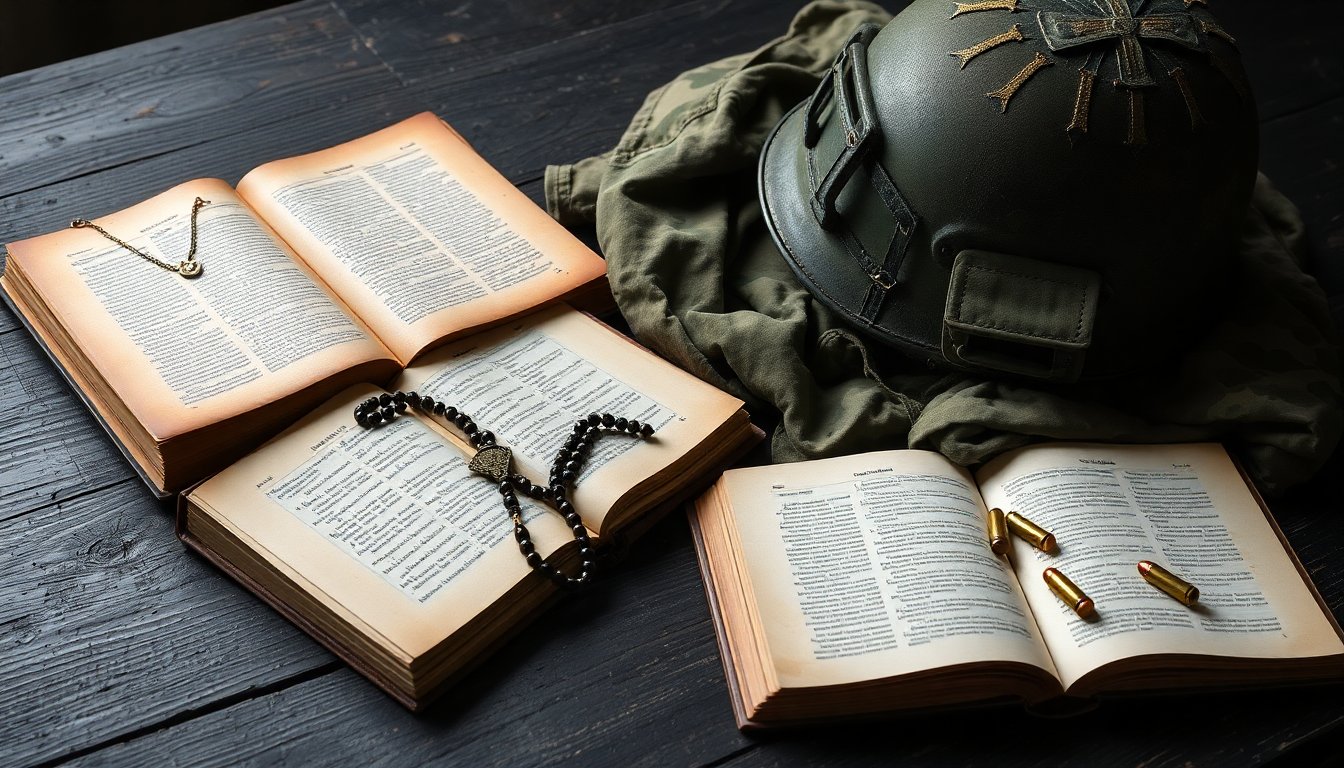
Religious language has increased noticeably in public and military communications linked to the campaign involving the United States, Israel and Iran. Officials, religious leaders and watchdog groups report the use of biblical references and talk of the end times to describe strategic aims and to mobilise supporters. Civil society organisations warn this framing risks pluralism, troop cohesion and post-conflict reconciliation.
Who is speaking and how the narrative spreads
Senior figures in government, allied commentators and some clerics have used faith-based metaphors to characterise the conflict. Public remarks and media interviews have at times compared modern adversaries to ancient scriptural enemies. Social media amplifies endorsements that link current events to eschatological themes.
Watchdog groups report similar patterns inside military channels. The Military Religious Freedom Foundation has documented complaints alleging commanders referenced the Book of Revelation and suggested operations fit a divinely ordained timeline. The Council on American-Islamic Relations has called certain comments anti-Muslim. These allegations raise legal and ethical questions about church‑state separation in uniformed service.
Why leaders resort to sacred language
Analysts identify three main motives. First, religious framing aids domestic mobilisation. Moral or supernatural narratives simplify complex policy and can deepen emotional commitment among supporters. In the United States, appeals that resonate with evangelical and Christian Zionist communities tap existing eschatological frameworks.
Second, sacred narratives provide a civilisational framing that reframes policy disputes as existential clashes. Casting opponents as embodiments of an opposing way of life reduces nuance and hardens public opinion. Third, strategic communicators favour vivid imagery because it creates memorable narratives that bind alliances and clarify perceived stakes.
Domestic politics and constituency building
Political leaders often use scriptural language to energise specific voter blocs or interest groups. Endorsements from faith broadcasters and clerics that link events to prophecy can expand political backing. From a regulatory standpoint, this tactic risks alienating citizens who view religion as being instrumentalised for military aims.
Risks for diplomacy, reconciliation and service members
Experts warn that portraying a campaign as sacred tends to dehumanise the adversary. Dehumanisation narrows space for compromise and complicates humanitarian response once hostilities subside. Political settlements rely on mutual recognition; demonising rhetoric undermines that requirement.
Internationally, civilisational framings can inflame transnational tensions and empower extremist narratives. Diplomats say sacred language complicates backchannel negotiations because concessions may be presented domestically as betrayal to constituencies primed to see compromise as sacrilege.
Historical context and the role of modern media
Invoking religious motifs in wartime has precedents in multiple countries. What differs today is the speed and reach of modern media, which allows religiously charged messages to cross borders and gain instant traction among diverse communities. Anyone in the industry knows that rapid amplification increases the policy consequences of rhetorical choices.
Recommendations from analysts
Analysts advise reducing reliance on sacred language to preserve diplomatic flexibility and protect pluralistic values. They recommend clear, secular explanations of objectives and risks to build broader support and limit polarisation. Ensuring military communications respect constitutional separation of religion and state is essential to maintain trust among diverse service members and civilians.
Senior figures in government, allied commentators and some clerics have used faith-based metaphors to characterise the conflict. Public remarks and media interviews have at times compared modern adversaries to ancient scriptural enemies. Social media amplifies endorsements that link current events to eschatological themes.0
Senior figures in government, allied commentators and some clerics have used faith-based metaphors to characterise the conflict. Public remarks and media interviews have at times compared modern adversaries to ancient scriptural enemies. Social media amplifies endorsements that link current events to eschatological themes.1