
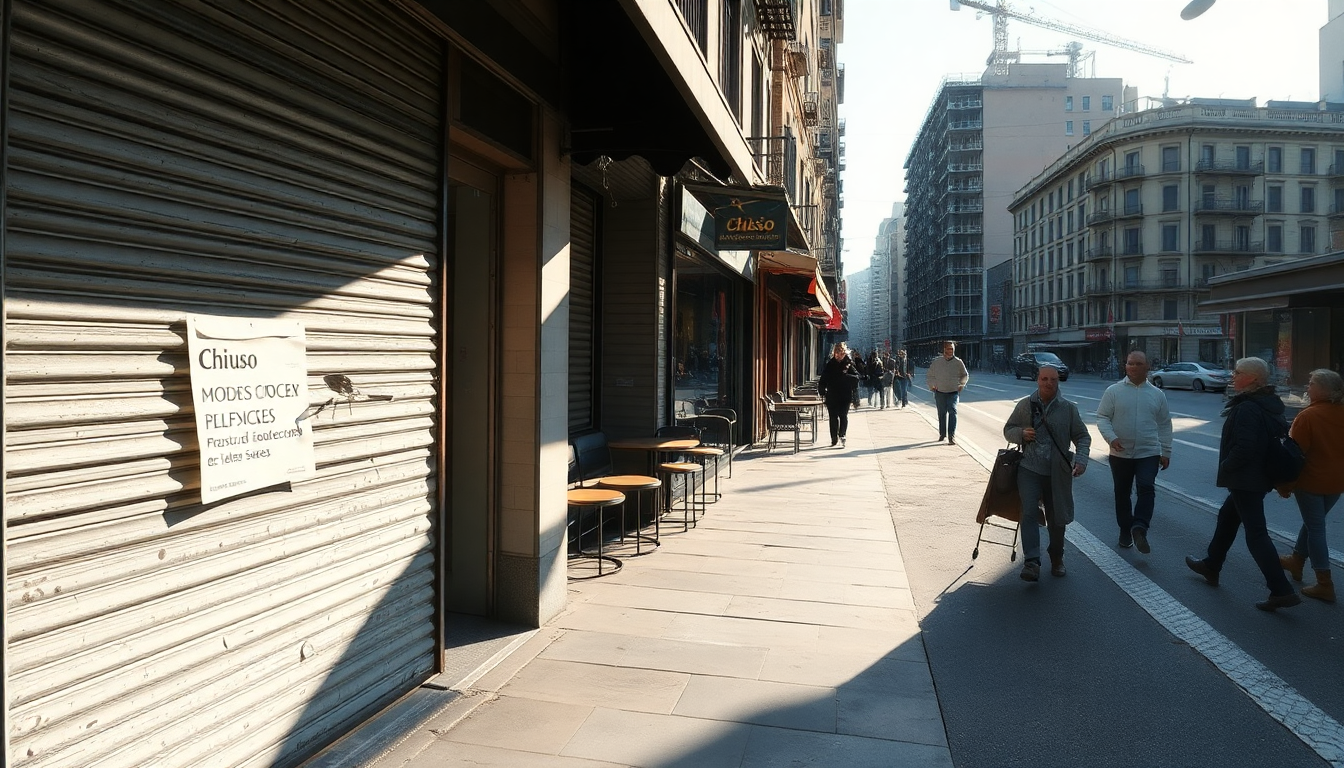
Have you noticed how the urban landscape is changing right before our eyes? Rising rent levels are causing a wave of closures among our favorite shops and restaurants. This isn’t just about empty storefronts; it’s about the jobs lost and the unique vibe of our city fading away. In bustling districts, high rents are forcing cherished local spots to close down, leaving behind a quiet atmosphere that starkly contrasts with the vibrant energy we once knew.
The plight of local businesses amid rising rents
In recent years, the soaring rental prices have become a major headache for small business owners. These are the places that have long been the heart and soul of our communities, adding character and charm to our neighborhoods. But as rent continues to climb, many are finding it too much to handle. How can they keep up with expensive rent while also maintaining the quality and service that keeps customers coming back? In areas that used to buzz with life, the sound of shutters coming down is becoming all too familiar.
Take Causeway Bay, for instance—a shopping district that was once alive with activity but now shows numerous vacant shops. This reflects a larger trend happening in urban centers everywhere, where the lure of prime locations is overshadowed by eye-watering rental costs. As shops and restaurants close their doors, the ripple effect hits the community hard, leading to job losses and a downturn in local commerce. The once-bustling streets now echo with a sense of emptiness, as fewer people venture out for dining and shopping.
Shifting social dynamics in urban environments
But the changes in our urban spaces aren’t just economic; they’re also reshaping social dynamics. The pulse of a city is often felt in its nightlife and the lively atmosphere that fills the streets after dark. Yet, as conversations shift from late-night outings to quiet evenings at home, the cultural fabric of the city begins to unravel. This isn’t just a feeling—it’s evident in the dropping foot traffic and the earlier closing hours of businesses that used to thrive on late-night crowds.
As iconic cityscapes adjust to these new realities, many residents feel their once-beloved urban centers are losing their charm. The nostalgia of late-night dining and shopping is giving way to a more subdued atmosphere, lacking the excitement and energy of the past. So, how can urban centers regain their appeal while tackling the issue of skyrocketing rents?
Potential solutions and future outlook
Addressing the challenges posed by rising rents will require some innovative thinking. Local governments and stakeholders need to work together to create an environment that supports sustainable business practices while keeping rental prices manageable for small entrepreneurs. Initiatives like rent control measures, subsidies, and local business support could help alleviate the pressure of rising costs and encourage the survival of our favorite spots.
The future of our urban centers depends on how well we adapt to these changes while preserving the unique character that makes our cities vibrant. Striking a balance between economic growth and cultural identity is crucial. By prioritizing the well-being of local businesses and the communities they serve, we can hold onto hope for a revitalized, brighter, and more dynamic urban future.


