
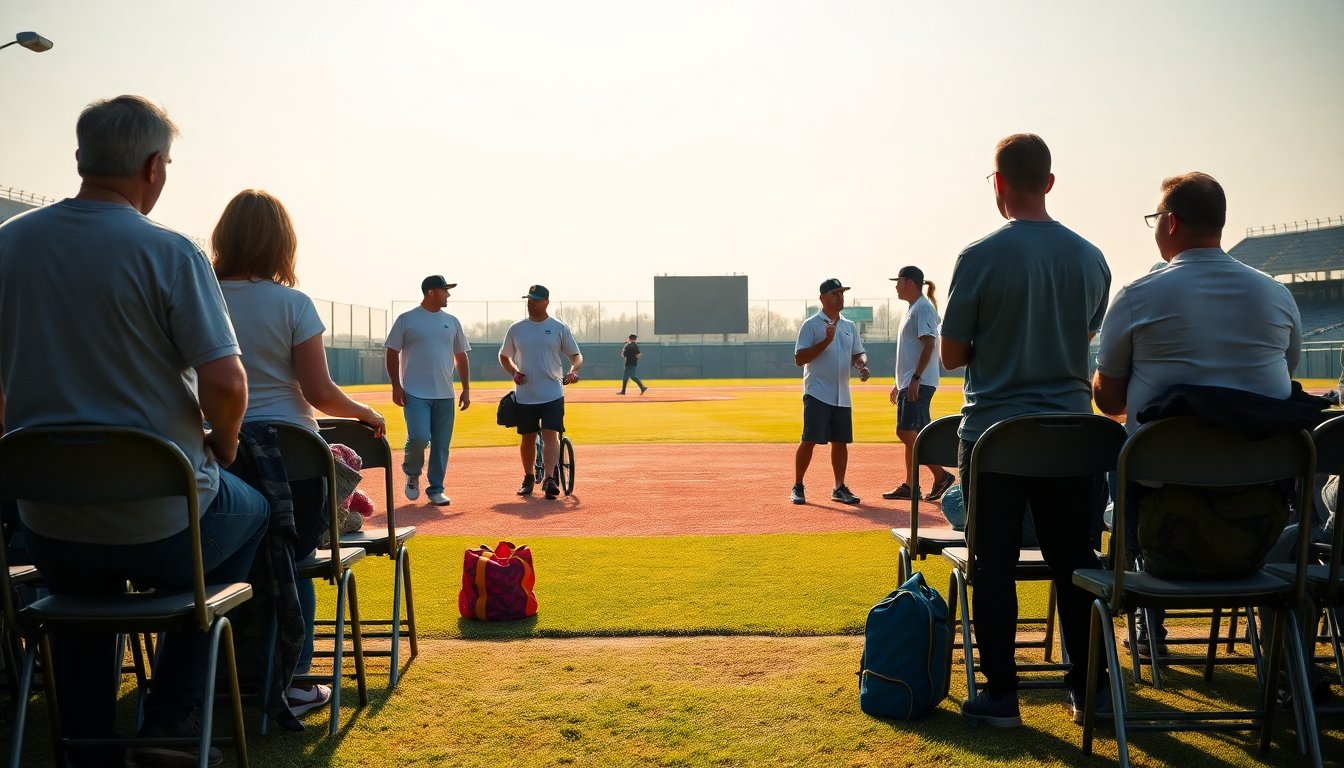
They arrive in stages—players in polos and sweats, scouts with binoculars slung around their necks, and families hauling folding chairs toward sunwarmed stands. What used to be a warm-up month has hardened into a business-critical stretch: Spring Training and an increasingly politicized preseason now set competitive storylines and move real money. Ratings, ticket sales and sponsor dollars are peaking earlier, and the result is a preseason that feels part audition, part festival and part markets report.
A closer look at the calendar helps explain why. All 30 clubs converge on Spring Training from February 20 to March 24, 2026. Exhibition games begin March 3–4, and the World Baseball Classic opens on March 6—an overlap that compresses attention and forces broadcasters, sponsors and teams to make quick choices about where to place their bets. Opening Night—Yankees vs. Giants at Oracle Park—lands on March 25, with a 14-game Opening Day slate following on March 26. Those marquee dates now anchor commercial plans almost as firmly as Opening Day once anchored fan expectations.
Why the shift matters
Preseason contests no longer read as harmless tune-ups. They test pitching depth, give prospects a national soapbox and generate measurable revenue. Broadcast windows for international games expand reach; minor-league and spring sites become experiential destinations; and sponsorship packages increasingly include preseason inventory because advertisers want a foothold in the earliest fan conversations.
“You can see the narrative forming in real time,” says a club commercial executive. “A rookie explodes in March and suddenly the season ticket holder calls you about season plans. That’s value we used to chase later in the year.” Whether that value registers as immediate cash or future goodwill, teams and investors are treating spring signals as material to balance sheets and forecasts.
What the metrics show
– Attendance and ancillary spending tick up where contests cluster; compact venues in Arizona tend to capture higher per-visitor spend because fans can attend multiple games in a day.
– Broadcast and streaming minutes for March events show uplift, particularly when international audiences are involved; media buyers prize those concentrated windows.
– Sponsorship activations and hospitality packages are shifting budget earlier, with brands willing to pay premiums for Opening Night, Spring Breakout slots (March 19–22) and WBC-aligned inventory.
In practical terms, stadiums in Arizona typically seat between 10,000 and 15,000 fans; Florida venues vary more widely, from intimate parks to larger municipal fields. That variation alters local revenue profiles: clustered stadiums—think the Cactus League—reduce travel friction for fans and media, creating dense economic spikes. The Grapefruit League’s dispersed geography spreads tourism benefits but raises logistics costs for teams and broadcasters.
Local color: Bradenton as a case study
Walk into LECOM Park on a Tuesday in March and you’ll find autograph seekers and longtime boosters standing shoulder to shoulder with first-timers who flew in for a weekend. The Pirates’ presence has woven a local ritual around a compact stadium, and that intimacy translates into predictable dollars for vendors and shops nearby. “People linger after games,” says a concession manager. “They buy a hat, grab dinner across the street—those are small transactions that add up over a month.”
That dynamic explains why places with tradition and reliable ticket channels—small towns with entrenched camps—can punch above their weight when it comes to per-visitor revenue and sponsor engagement.
Key variables and risks
Preseason signals can be powerful, but they’re noisy. Key moving parts include:
– Player availability and workload: early injuries or national-team calls complicate projection models.
– Broadcast scheduling: overlapping windows (WBC, exhibition series, Spring Training) force media buyers to allocate finite budget and airtime.
– Weather and travel logistics: day-to-day turnout can swing with a storm or a flight disruption.
– Regulatory and labor factors: any change to schedules or roster rules would ripple through preseason planning.
Sector impacts
– Hospitality, retail and short-term rentals capture the most immediate gains; operators in compact circuits report concentrated demand peaks.
– Sporting goods and concession partners benefit from spikes in foot traffic and early-season merchandising.
– Media companies are experimenting with short-form, prospect-driven content and betting that spring highlights will perform on streaming platforms.
– Sponsors are using preseason activations as low-friction testing grounds for experiential concepts they hope to scale during the regular season.
A closer look at the calendar helps explain why. All 30 clubs converge on Spring Training from February 20 to March 24, 2026. Exhibition games begin March 3–4, and the World Baseball Classic opens on March 6—an overlap that compresses attention and forces broadcasters, sponsors and teams to make quick choices about where to place their bets. Opening Night—Yankees vs. Giants at Oracle Park—lands on March 25, with a 14-game Opening Day slate following on March 26. Those marquee dates now anchor commercial plans almost as firmly as Opening Day once anchored fan expectations.0
A closer look at the calendar helps explain why. All 30 clubs converge on Spring Training from February 20 to March 24, 2026. Exhibition games begin March 3–4, and the World Baseball Classic opens on March 6—an overlap that compresses attention and forces broadcasters, sponsors and teams to make quick choices about where to place their bets. Opening Night—Yankees vs. Giants at Oracle Park—lands on March 25, with a 14-game Opening Day slate following on March 26. Those marquee dates now anchor commercial plans almost as firmly as Opening Day once anchored fan expectations.1