
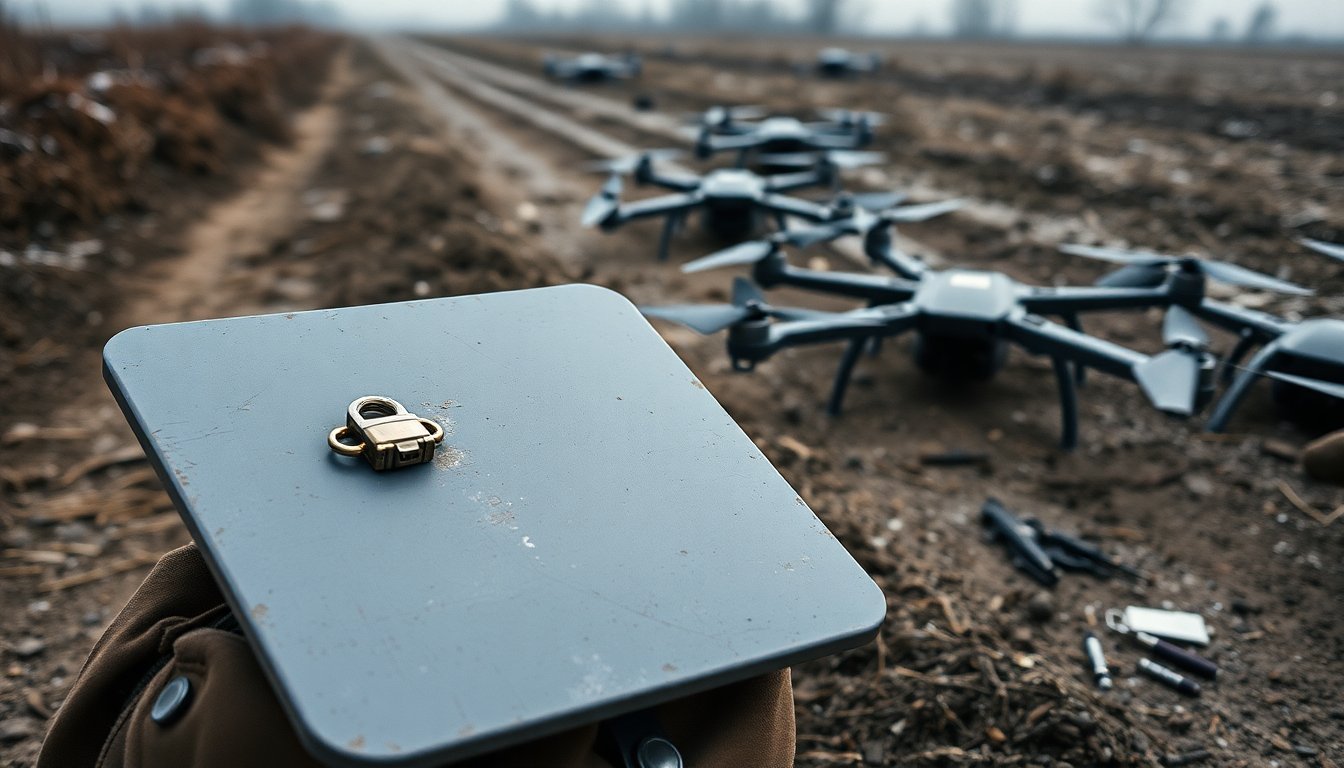
Quick take: consumer satellite internet — think Starlink and similar services — has been selectively throttled or locked down in parts of the Ukraine front. Operators are switching to systems that let known, registered terminals through while cutting off devices flagged as “unauthorised.” The result: fewer drone flights, choppier frontline comms, and a cascade of tactical and humanitarian headaches.
What changed — and how it works
– Instead of a blunt outage, networks are increasingly using “managed access” or whitelist systems. If a terminal isn’t on the approved list, it can be prevented from using the service even though the satellite itself stays up.
– That means the control is at the device level — not the link — and can be applied remotely and selectively across a battle area.
– Operators say they’re prioritising critical traffic and testing policies to reduce risk when consumer kit ends up in unauthorized hands.
What this does to fighting on the ground
– Drones and other unmanned systems often rely on steady, low-latency satellite links for live video and remote control. Cut that off, and real-time reconnaissance-to-strike chains slow down or break.
– Units that leaned on consumer terminals report fewer drone sorties, interrupted telemetry, and slower targeting decisions. Some commanders describe confusion in reporting and degradation of coordination.
– Where connectivity fails, forces fall back to older methods: radios, visual spotting, or heavier use of artillery and air strikes. Those are messier, less precise, and riskier for civilians.
How reporting and perception change
– Short outages and fragmented feeds make it harder to verify what’s actually happening on the ground. Small, local gains have been blown up into claims of major offensives; conversely, real setbacks can go unconfirmed.
– Journalists and analysts end up piecing together secondhand videos, loose geolocation, and eyewitness clips. That patchwork makes it easier for amplified or misleading narratives to spread — with real consequences for morale and decision-making.
Wider ripple effects
– Humanitarian: disrupted comms slow aid verification, complicate evacuations and hamper emergency services. Hospitals and civilians dealing with power or heat outages suffer more when coordination is patchy.
– Energy and escalation: at the same time, repeated strikes on power infrastructure have left millions without heat or electricity. Kyiv demands more air-defence systems while reprisal strikes target distant energy or industrial sites — a pattern that risks further escalation.
– Diplomacy and public opinion: shifting battlefield realities and spotty signals also change bargaining chips. Some European capitals quietly engage Moscow; others resist. Misread pauses or loud-but-local events can nudge negotiation calendars and public expectations.
On the legal and policy front
– States and private operators are now wrestling with hard questions: what’s the right way to manage commercial satellites in wartime? How do you balance denying adversaries a tool without cutting off civilians who depend on the same networks?
– Technical fixes, access rules and public-communication protocols are being debated and tested. No single solution has emerged — and the situation is still evolving. It’s not just a tech tweak: it changes tactics, fuels information chaos, and forces fast policy choices with big humanitarian and diplomatic stakes. Authorities and providers are experimenting with controls and contingency plans, but the picture remains unsettled.