
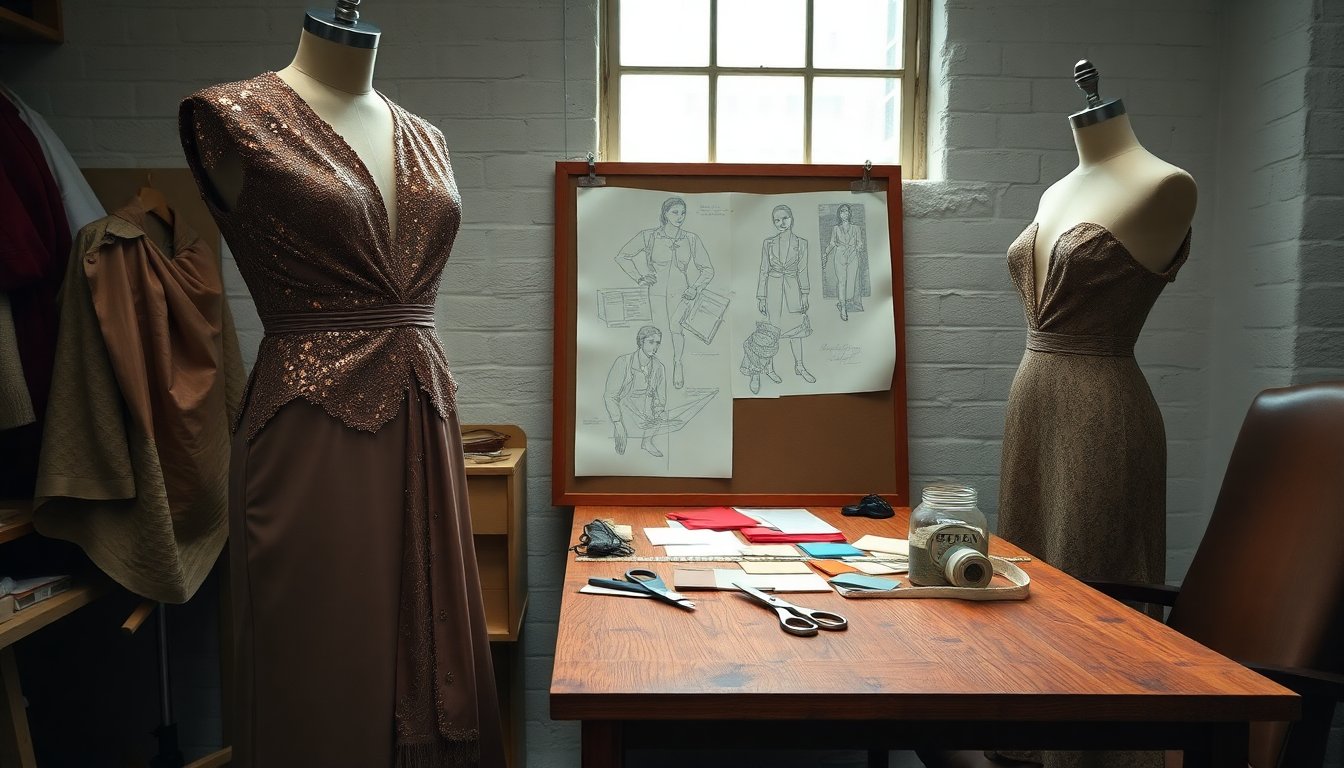
Who’s behind the looks, and what do they say? For years, celebrities reached for archival pieces—museum-quality gowns and vintage treasures—that signaled taste, pedigree and access. Lately, though, a different impulse has been gaining traction: putting red-carpet spotlight on up-and-coming designers. Stylists are no longer just curators of fashion history; they’re talent scouts and brand-builders, weighing heritage against the potential of discovery.
Why this matters
When a star shows up in a forgotten couture gown, the image reads as cultural capital: knowing, rare and aspirational. But when that same star wears a debut label, the moment can create a ripple—social buzz, spikes in searches, buyer interest, and sometimes immediate orders. The payoff for a new designer can be enormous and fast. For stylists and celebrities, the choice becomes strategic: signal lineage or catalyze a career.
Vintage’s virtues — and limits
Archival pieces carry instant authority. They tether the wearer to fashion’s storylines and often produce a visceral visual punch no new sample can match. Yet those garments come with strings attached. Many can’t be altered, require a precise fit, and present logistical hurdles for productions and bodies that don’t match the piece’s dimensions. They confer exclusivity, yes, but they sometimes exclude.
The discovery economy of fresh labels
New designers bring different advantages. Dressing a star in a contemporary label signals curiosity, risk-taking and cultural investment. It’s also more flexible: many emerging brands offer custom fittings, adaptable sizing and the possibility of repeat collaborations. Those attributes make newer labels easier to integrate across shoots, tours and campaigns—while offering the designer a tangible growth pathway.
Stylists as scouts and risk managers
Today’s stylists juggle aesthetics, publicity strategy and commercial relationships. Choosing vintage is shorthand for pedigree; choosing a rising designer is an act of patronage. Both moves carry risk. A museum-quality look can be one-off and unrepeatable; a new brand might struggle to meet sudden demand or accommodate bespoke tweaks. The smartest stylists read the moment—who’s the client, what’s the photo angle, what’s the campaign timeline—and choose accordingly.
How a single placement alters a trajectory
The effect of one high-profile appearance is measurable. Retail buyers and editors monitor press, social engagement and search trends closely. A successful placement can mean showroom representation, wholesale orders, investor meetings and new distribution routes. For the artist in front of the camera, the right look can sharpen a public persona or punctuate a career moment. For a designer, it can change business plans overnight.
Trades on both sides
Clients gain distinctiveness and narrative control when they opt for fresh names. Stylists get memorable imagery to build their reputations. Designers, meanwhile, trade creative autonomy for exposure: they may face compressed production timelines, scaling headaches and the pressure to modify designs for a celebrity’s needs. Success brings validation, but also new constraints.
Cultural and commercial ripple effects
When a celebrity backs a lesser-known label, it reshuffles how value is assigned across fashion markets. Boutiques take notice, editors write profiles, and consumers start looking beyond legacy houses. That dynamic nudges retail assortments, influences trend cycles and diversifies who gets visibility. In short, these choices don’t just make headlines—they rewire parts of the industry.
What strategic visibility looks like
Brands and stylists increasingly plan around high-visibility moments. Inventory and manufacturing calendars are adjusted to accommodate potential spikes. PR narratives are tailored to ride media cycles. Buyers and editors use celebrity placements as signals of market interest; a repeat placement matters much more than a single viral moment. This shift has led to more formalized support for emerging talent—mentorships, curated showcases and coordinated launch strategies that aim to turn a buzz into sustainable business.
The line between spectacle and advocacy
Not every red-carpet stunt translates into meaningful support. Some placements are engineered for virality and serve the celebrity or a project more than the designer. Genuine career-building requires ongoing relationships: proper attribution, follow-up orders, and integration into retail and showroom networks. One-off moments can be thrilling; strategic visibility creates runway.
Why this matters
When a star shows up in a forgotten couture gown, the image reads as cultural capital: knowing, rare and aspirational. But when that same star wears a debut label, the moment can create a ripple—social buzz, spikes in searches, buyer interest, and sometimes immediate orders. The payoff for a new designer can be enormous and fast. For stylists and celebrities, the choice becomes strategic: signal lineage or catalyze a career.0
Why this matters
When a star shows up in a forgotten couture gown, the image reads as cultural capital: knowing, rare and aspirational. But when that same star wears a debut label, the moment can create a ripple—social buzz, spikes in searches, buyer interest, and sometimes immediate orders. The payoff for a new designer can be enormous and fast. For stylists and celebrities, the choice becomes strategic: signal lineage or catalyze a career.1