
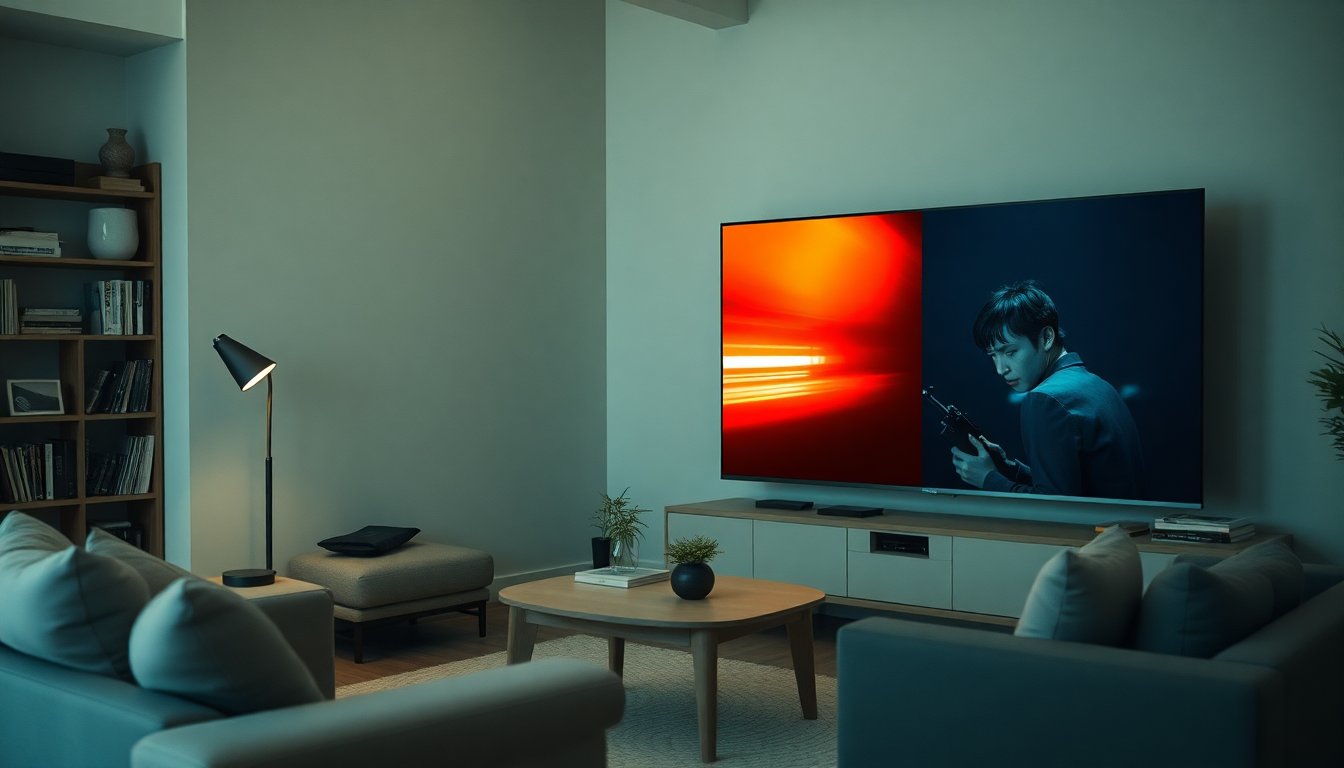
The palate never lies, I used to tell my kitchen crew. One bite tells you everything: whether a dish bites back with heat, languishes in thin broth, or needs a little time for flavors to open up. Storytelling tastes the same. Some viewers want the immediate jolt of spice; others prefer the slow, savory bloom of scenes that unfold patiently. That tension—between instant impact and gradual accumulation—is rewriting how films and series are made in the streaming age.
Why platforms chase early spectacle
Attention on streaming is both measurable and merciless. Platforms track viewing behavior by the second: who abandons a title after five minutes, who skips forward, who binges an entire season. Those numbers feed recommendation engines, marketing budgets and ad dollars. A memorable image or surprise beat in the first five to ten minutes can be the difference between a show featured on a front page and one that sinks into the archive.
That reality guides commissioning and production. Projects that hold viewers early win better placement and bigger promotional pushes, so producers often shove exposition later, prioritize clear introductions over slow reveals, and design openings that read well on small screens. Writers plant hooks faster, cinematographers turn to higher-contrast framing, and editors sharpen the first cut so stories register immediately. The upfront payoff can be expensive—staging a complex action prologue or building a showy set increases costs—but teams often see it as an investment in discoverability.
How act structure adapts
The classic three-act skeleton hasn’t disappeared, but its silhouette has shifted. Today’s brief frequently demands a striking incident or visual hook almost immediately. That changes how characters arrive and how background information is handed to the audience: fewer long expository scenes, more visual shorthand and compressed beats that carry narrative weight.
Craft choices follow. Editors favor brisk openings; composers craft sonic motifs that land quickly; production designers create props and costumes that telegraph personality at a glance. Directors lean on gestures, recurring objects, or compact montages to stand in for longer setups. These tools can preserve nuance, but they leave little margin for error—miss a cue and an audience might miss a character’s stakes entirely.
The case for pacing patience
There’s an equally persuasive artistic argument for restraint. Slow-building openings let viewers learn to trust characters, notice small gestures, and absorb thematic depth. When a story breathes early on, later revelations feel earned rather than engineered.
On set and in postproduction, deliberate pacing gives actors room for minor, revealing choices; it allows cinematographers to compose lingering, evocative frames; and editors can shape rhythm so emotional crescendos hit with authority. Certain genres—auteur dramas, literary adaptations, meditative thrillers—rely on that unhurried cadence. Even amid the streaming rush, audiences keep seeking work that asks them to settle in.
Generations, genres and viewing habits
Viewer behavior is not one-size-fits-all. Younger viewers are not a single bloc: some crave the kinetic tempo of social-media-era storytelling, others want deep, long-form immersion. Genre matters even more. Franchise action and high-concept thrillers benefit from fast starts because momentum is a feature; slow-burn dramas depend on a different bargain with their audience.
Creative solutions and compromises
Filmmakers and producers are inventing ways to have both spectacle and substance. A few practical strategies:
- – Preserve the story’s essential rhythm and seek partners or release windows that respect it rather than reshaping the material to chase algorithms.
- Break scenes into self-contained units with clear emotional throughlines so viewers can engage in short bursts without losing the arc.
- Design modular acts that can be tightened for streaming promos or expanded for theatrical exhibition without breaking the story’s core.
These approaches let creators protect the deeper architecture of a story while still offering entry points that capture modern attention spans.
Why platforms chase early spectacle
Attention on streaming is both measurable and merciless. Platforms track viewing behavior by the second: who abandons a title after five minutes, who skips forward, who binges an entire season. Those numbers feed recommendation engines, marketing budgets and ad dollars. A memorable image or surprise beat in the first five to ten minutes can be the difference between a show featured on a front page and one that sinks into the archive.0
Why platforms chase early spectacle
Attention on streaming is both measurable and merciless. Platforms track viewing behavior by the second: who abandons a title after five minutes, who skips forward, who binges an entire season. Those numbers feed recommendation engines, marketing budgets and ad dollars. A memorable image or surprise beat in the first five to ten minutes can be the difference between a show featured on a front page and one that sinks into the archive.1
Why platforms chase early spectacle
Attention on streaming is both measurable and merciless. Platforms track viewing behavior by the second: who abandons a title after five minutes, who skips forward, who binges an entire season. Those numbers feed recommendation engines, marketing budgets and ad dollars. A memorable image or surprise beat in the first five to ten minutes can be the difference between a show featured on a front page and one that sinks into the archive.2