
Table of Contents
Coordinated strikes and counterstrikes across the Middle East brought the region closer to open conflict between March 1 and March 5, 2026. Reports during that period describe attacks on Tehran and Beirut, the sinking of a U.S. warship, and assaults on critical infrastructure including Saudi Arabia’s Ras Tanura refinery. This report compiles verified developments, official statements and documented impacts to present a clear account of the unfolding crisis.
The following account is organized into operational, humanitarian and diplomatic dimensions. It preserves the verified dates and claims published by governments, international agencies and reputable news outlets between March 1 and March 5, 2026.
Military operations and battlefield developments
Between March 1 and March 5, 2026, state and non-state actors executed operations beyond their traditional theatres. Multiple governments reported cross-border missile and drone strikes. Naval engagements in the northern Arabian Gulf intensified and produced at least one confirmed warship loss.
On March 1, several launches targeted facilities in and around Tehran, according to official Iranian statements and independent reporting. Iranian authorities attributed the strikes to hostile state-backed groups and responded with both missile and drone strikes toward regional targets.
Days later, strikes struck Lebanon’s capital. Lebanese officials reported damage in parts of Beirut, and emergency services responded to casualties and fires. International monitors sought verification amid competing claims from militia and state actors.
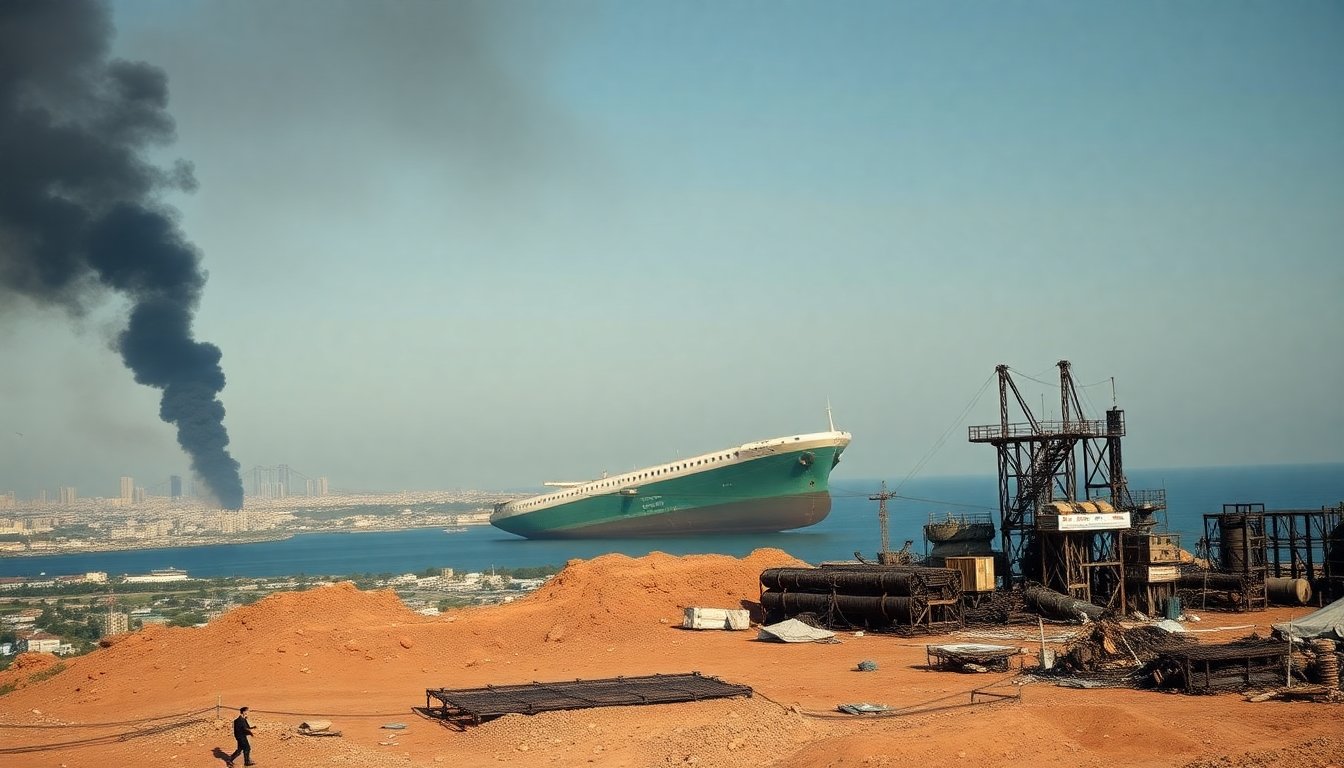
A U.S. defense source confirmed the sinking of a U.S. warship during an exchange of fire in regional waters. The United States released limited operational details and ordered heightened force protection measures for naval and diplomatic assets.
Saudi authorities reported a separate assault on the Ras Tanura refinery, a key oil export and processing facility. The attack prompted temporary shutdowns and raised concerns about disruptions to global energy supplies.
The confrontation intensified after the initial strikes on March 1, 2026. U.S. and Israeli forces carried out precision operations that targeted senior Iranian figures and facilities in and around Tehran. Iranian officials called the attacks catastrophic. Iran responded with missile and drone barrages directed at Israel and allied positions. Some strikes crossed into neighboring states, according to regional reports.
The United States reported the sinking of a U.S. warship. The development heightened international concern and drew vows of reprisal from Iranian authorities. Transaction data shows that maritime risk premiums rose and some insurers paused coverage on affected sea routes. The attack prompted temporary shutdowns and raised concerns about disruptions to global energy supplies.
Naval and aerial engagements
Naval and air forces engaged across multiple corridors in the region. Surface vessels and aircraft executed defensive and retaliatory sorties. Air-defence systems intercepted a portion of incoming missiles and drones, while some ordnance reached their targets. Reports describe exchanges between surface combatants and fast-attack craft in contested waters.
Authorities ordered temporary restrictions on certain shipping lanes and port operations. Transaction data shows immediate increases in freight rates for affected routes. Energy markets reacted to the uncertainty with price volatility and tightened forward curves for shipments transiting the region.
Diplomatic channels remained active as states urged de-escalation. Military movements and public statements signalled a continued readiness to respond to further strikes. Analysts warn that sustained naval and aerial clashes could prolong disruptions to commercial traffic and energy flows.
Analysts warn that sustained naval and aerial clashes could prolong disruptions to commercial traffic and energy flows. The incidents have increased risk to shipping lanes and regional airspace. Iran also issued threats against vessels transiting the Strait of Hormuz, and several commercial ships have been attacked. On March 2, 2026, drones struck the Ras Tanura oil facility near Dammam, forcing a temporary shutdown of a refinery that processes more than half a million barrels per day. Observers say attacks on refineries and tankers are a deliberate tactic to impose economic pressure on Gulf states and their partners.
Humanitarian impact and casualties
Authorities reported casualties and infrastructure damage following the strikes, with emergency services mobilised near affected sites. Hospitals in coastal provinces received wounded civilians and workers. Local officials announced evacuations around damaged installations to prevent secondary hazards.
Disruptions to energy production have immediate economic and social effects. Fuel supply interruptions drive local shortages and can raise domestic fuel prices. Essential services that rely on steady energy deliveries face strain, particularly in urban and industrial areas.
Maritime operators and insurers have adjusted routes and coverage. Shipping companies rerouted vessels away from high-risk corridors, increasing transit times and costs. Transaction data shows higher insurance premiums for tankers operating in the region.
Humanitarian agencies have started assessments to gauge needs among affected workers and nearby communities. Relief priorities include medical care, temporary shelter, and support for families who lost income due to facility shutdowns.
Experts warn that further escalation would magnify civilian harm and complicate regional relief efforts. The next developments in naval and aerial operations will determine the scale and duration of the humanitarian response.
Civilian casualties increased sharply after a series of strikes by U.S. and Israeli forces and retaliatory actions. Iran’s Red Crescent reported 555 fatalities across Iranian territory from those strikes. Lebanon’s health ministry recorded at least 31 deaths and 149 wounded following Israeli strikes on Beirut and southern regions after missile launches by Hezbollah. Authorities issued displacement and evacuation orders in several border areas as residents fled ahead of anticipated attacks.
These developments follow maritime and aerial clashes that analysts warned could prolong disruptions to commercial traffic and energy flows. The next developments in naval and aerial operations will influence the scale and duration of humanitarian needs. As Roberto Conti notes, location is everything: proximity to the border shaped evacuation orders and displacement patterns.
Diplomatic sites and safety concerns
Diplomatic compounds and civilian infrastructure sustained damage in recent attacks. Videos and eyewitness accounts on March 2, 2026 showed smoke and fire inside the U.S. Embassy compound in Kuwait City after an Iranian attack. Authorities urged embassy staff and nearby residents to shelter in place.
Reports indicated several U.S. fighter jets crashed in Kuwait. Rescue teams evacuated crew members, who were later described as stable, while joint U.S.-Kuwaiti investigations began. Officials have not released a complete casualty or damage tally for the incidents involving diplomatic sites.
Institutional responses and international law
Officials have not released a complete casualty or damage tally for the incidents involving diplomatic sites. The International Atomic Energy Agency (IAEA) signalled alarm over the risks to nuclear facilities. On March 2, 2026, IAEA Director Rafael Mariano Grossi said there was no indication that sites such as Bushehr or the Tehran Research Reactor had been struck. He warned of potential radiological hazards if hostilities reached those installations.
Grossi urged restraint and stressed the broader stakes. He noted that several affected states operate nuclear power plants and associated fuel storage. Damage to such sites could produce widespread consequences for civilian populations and the environment. That prospect would also raise questions under international humanitarian law and relevant safety conventions.
In real estate, location is everything — and when the location hosts nuclear infrastructure, the exposure is strategic as well as local. Transaction data shows that critical infrastructure concentrates risk in specific corridors. Brick and mortar always remains vulnerable when armed conflict shifts toward urban and industrial centres.
IAEA officials called for unimpeded access for inspectors and for clear safeguards to protect nuclear materials. They urged parties to avoid actions that could endanger facilities or impede emergency responses. The agency also said communication lines with national regulators must remain open to monitor any radiological developments.
The U.N. protests followed the agency’s call to keep communication lines open with national regulators. Iran formally lodged complaints at the United Nations over the incident.
Political signaling and leadership claims
Who: Iran’s foreign ministry and the United States, along with a coalition of Middle Eastern partners.
What: Iran accused external actors of killing its supreme leader and demanded accountability. Foreign Minister Abbas Araghchi described the act as a breach of international norms. The U.S. and allied governments issued a joint statement condemning Iran’s retaliatory strikes as violations of sovereignty and as dangerous escalations that put civilians at risk.
When and where: The complaints and statements were filed and circulated at the United Nations in New York amid ongoing diplomatic exchanges.
Why it matters: The competing accusations intensify political signaling and raise the risk of broader regional escalation. Both accusations seek to shape international legal and political responses. Transaction data shows that diplomatic positioning now centers on claims of accountability and on assertions of sovereign rights.
Diplomatic messaging has shifted toward public attribution and legal framing. Iran aims to secure international condemnation of the alleged act. The U.S. and its partners emphasize state sovereignty and civilian protection.
Observers note the potential for these competing narratives to influence future votes or statements at multilateral forums. The situation remains dynamic as legal and diplomatic channels process the formal protests and counterstatements.
What to watch next
The latest exchanges have widened diplomatic fault lines and raised urgent questions about accountability and oversight. The situation remains dynamic as legal and diplomatic channels process formal protests and counterstatements.
Diplomatic and legal steps
United Nations and national diplomatic missions will continue to register formal complaints and responses. Expect follow-up briefings and possible requests for investigations or fact-finding missions.
Domestic political fallout in the united states
U.S. leaders publicly defended the strikes and discussed leadership scenarios affecting Iran. Lawmakers and oversight bodies may demand intelligence briefings and legal assessments.
Iran’s public posture and internal messaging
Iranian security officials have rejected negotiations with the United States and described military acts as defensive. State messaging will likely aim to consolidate domestic support and deter further action.
Intelligence scrutiny
Several investigative briefings reported that the CIA tracked meetings of senior Iranian figures before the strikes. Intelligence assessments and congressional oversight will shape public accountability.
Families and human rights concerns
Relatives of long-standing detainees pressed for transparency. The family of Robert Levinson described recent events as a pivotal moment to seek answers about past detentions.
What this means for regional stability
Location matters in geopolitics as much as in markets: proximity of bases, shipping lanes and diplomatic posts will drive risk calculations. Military moves and diplomatic responses could reshape regional alignments.
Watch for official briefings from involved governments, oversight inquiries in legislative bodies, and any United Nations actions. Reporting and legal reviews will determine whether new accountability mechanisms are pursued.
Indicators to monitor as tensions risk wider regional disruption
Reporting and legal reviews will determine whether new accountability mechanisms are pursued. Key indicators to monitor include further strikes on energy infrastructure, collateral damage at nuclear sites, and the status of maritime security in the Strait of Hormuz. Close attention should also be paid to whether diplomatic channels at the U.N. or between regional powers reduce escalation.
Transaction data shows how quickly targeted operations can produce widespread effects when they intersect with naval routes, energy hubs, and densely populated urban areas. Verified developments from March 1–5, 2026 underline the potential for localized exchanges to disrupt global energy markets and international security. Continued tracking by independent agencies and international observers remains critical for accurate situational awareness and timely policy responses.