
Summer camps have always been a place for children to connect with nature and enjoy the outdoors. However, with the increasing frequency of extreme heat waves and other climate-related challenges, camps are being forced to rethink their approaches. This summer, as temperatures soar across the Midwest and Northeast, affecting more than 160 million Americans, the need for adaptation has never been greater.
The traditional image of summer camp—kids running freely through fields and forests—is being reshaped by the realities of climate change. Heat waves, smoke from wildfires, and other environmental factors are pushing camps to find new ways to provide safe and engaging experiences for their campers.
Understanding the Risks of Extreme Heat
Extreme heat poses significant risks, especially for children. Their bodies heat up more quickly and are less efficient at cooling down through sweating. Harleen Marwah, a pediatrician at Mass General Brigham for Children, emphasizes that children may not recognize when they are overheating, making it crucial for caregivers to monitor them closely.
This summer, parts of New York state are experiencing ‘feels like’ temperatures as high as 110 degrees. These extreme conditions are becoming more common due to climate change. Ashley Ward, director of the Heat Policy Innovation Hub at Duke University’s Nicholas Institute, explains that higher average temperatures are making heat waves more intense and frequent.
Innovative Solutions for Safer Outdoor Activities
Despite the challenges, experts agree that outdoor activities remain essential for children’s physical and mental well-being. Allison Poulos, an assistant professor at Arizona State University’s College of Health Solutions, advocates for ‘smarter outdoor activity’ rather than reducing outdoor time altogether.
Kevin Martin, director of recreational sports at Texas A&M Corpus Christi, has firsthand experience with these challenges. Known as ‘Jambalaya’ to his campers, Martin has found creative ways to keep activities going even in the heat. ‘Man, it’s been hot,’ he admits, but the camp has adapted by enforcing mandatory water breaks and keeping the pool open for swimming, which is ‘magnificent’ for campers’ mental health.
Designing Heat-Resilient Camp Spaces
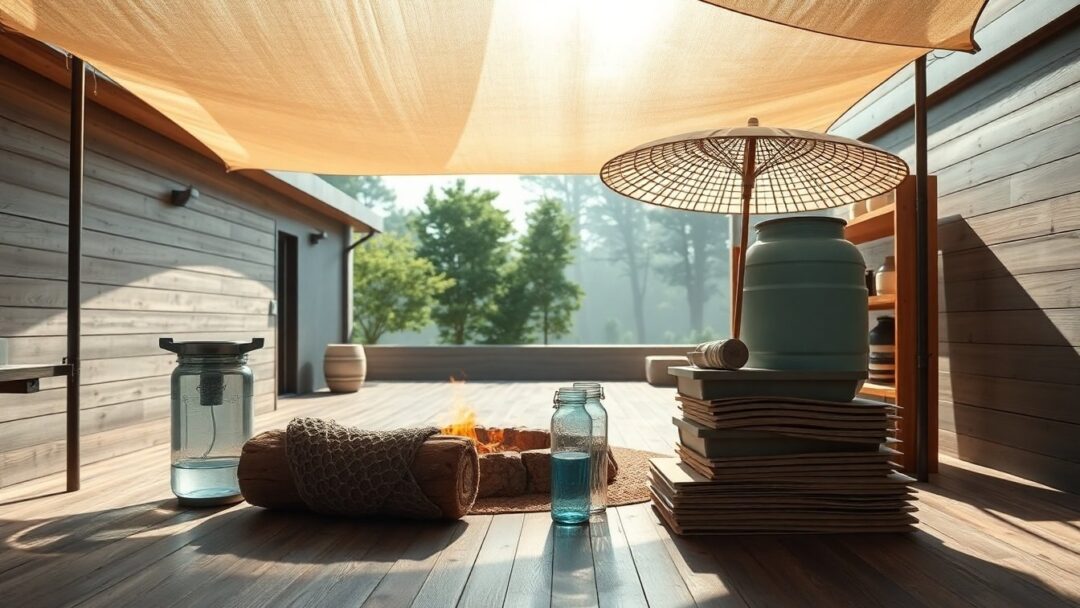
Camps can also make structural changes to better handle extreme heat. Marwah suggests using materials that heat up less quickly and creating shaded areas, ideally with trees. These changes can make outdoor spaces more comfortable and safer for campers.
Indoor Alternatives for Hot Days
When outdoor activities are not feasible, camps can turn to indoor alternatives. Poulos and her team have found that playing in an indoor gym offers similar benefits to outdoor play. At Texas A&M, campers enjoy games like dodgeball, Pop-A-Shot, and Nukem, a basketball game that has become a favorite. ‘I don’t know what is about Nukem, but they love Nukem,’ Martin says.
Even camps with limited resources can make the most of their indoor spaces. Rotating kids between inside and outside activities ensures that everyone gets to play without overheating. These adaptations, while challenging, are essential for keeping children active and engaged in a warming world.


