
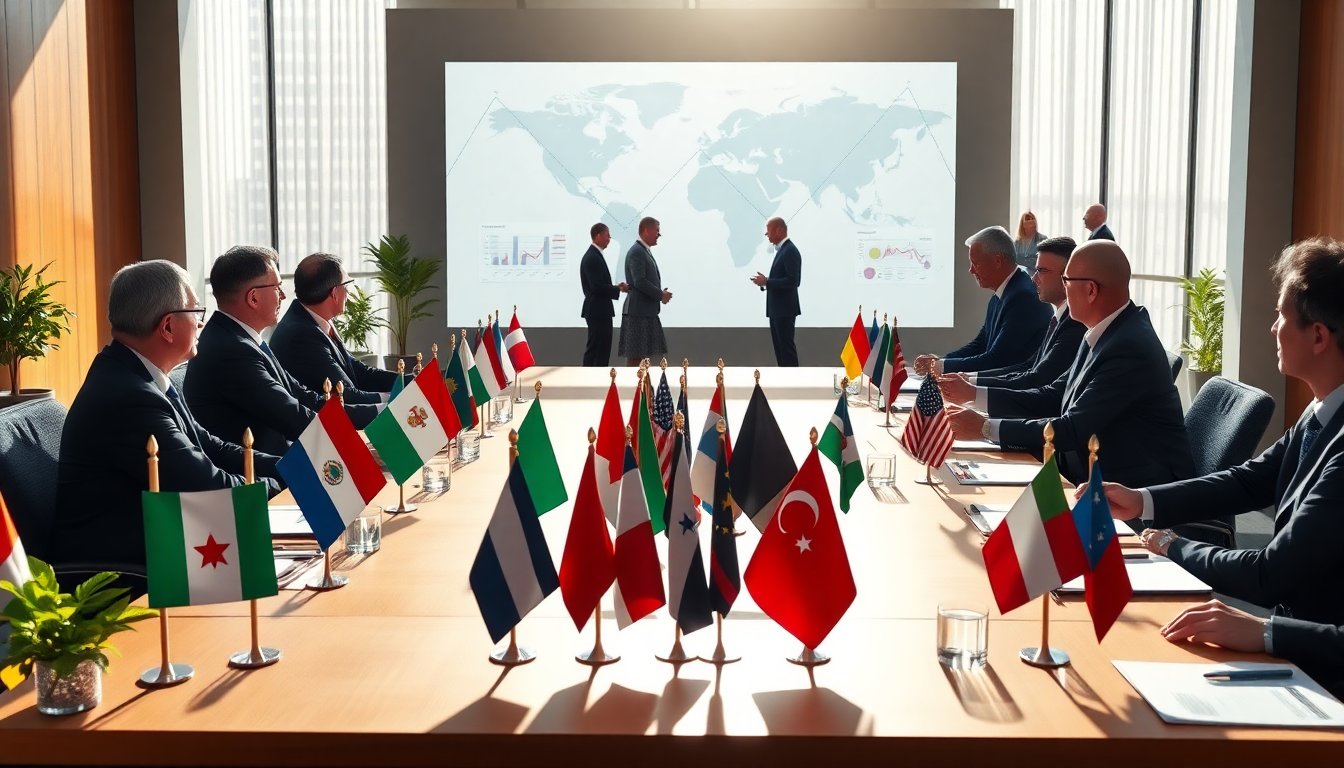
Five years have passed since the historic signing of the Abraham Accords, a pivotal moment that transformed relations between Israel and several Arab nations. This agreement, achieved under the leadership of former President Donald Trump, marked a significant shift in diplomatic dynamics. It fostered an environment where peace was embraced not merely as a distant aspiration but as a tangible reality. The Accords have not only preserved peace among the signatory nations but have also opened avenues for collaboration and economic growth, reshaping the landscape of the Middle East.
The foundation of the Abraham Accords
The Abraham Accords emerged from a strategic approach that acknowledged the complex realities of the region. It became clear that a stance based on strength and unwavering support for Israel was essential for fostering peace. The Accords were signed by Israel, the United Arab Emirates, and Bahrain, with Morocco and Sudan joining later, illustrating a commitment to stability and cooperation.
In light of challenges, including the recent escalation of violence initiated by Hamas, the resilience of these partnerships has been evident. Despite fears of derailing these alliances, signatory nations have maintained diplomatic ties and continued trade, showcasing an unprecedented durability in a region where such alliances have historically been fragile. This stability is a testament to the Accords’ strength and significance.
The economic benefits and human connections
The economic ramifications of the Abraham Accords have been substantial. Trade between Israel and its new partners has surged, reaching billions, illustrating the mutual benefits of these relationships. Joint ventures are creating jobs and fostering deeper societal connections, allowing for greater understanding and collaboration.
Moreover, direct flights have been established linking Israel with cities like Abu Dhabi, Dubai, and Manama, facilitating tourism and cultural exchange. Israeli tourists visiting countries from which they were historically barred are paving the way for personal interactions, significantly reducing the likelihood of future conflicts. Nations that prosper together are less inclined to engage in warfare, highlighting the human element of these diplomatic achievements.
Looking forward: Expanding the circle of peace
Despite the challenges faced by the Biden administration in expanding the circle of peace created by the Abraham Accords, there remains a significant opportunity for the United States to reignite this momentum. A renewed commitment to Israel’s security and encouragement for other nations, particularly Saudi Arabia, to join the Accords is crucial. Such a step would further integrate Israel into the Arab world, fostering an era of security and cooperative economic growth that could benefit the entire region.
As we reflect on the fifth anniversary of the Abraham Accords, it is essential not only to preserve the achievements made but also to expand the embrace of peace to include all who seek a brighter future. The vision of a Middle East characterized by stability and prosperity is more attainable today than ever before. Strong leadership and a commitment to diplomatic engagement could make this dream a lasting reality.


