
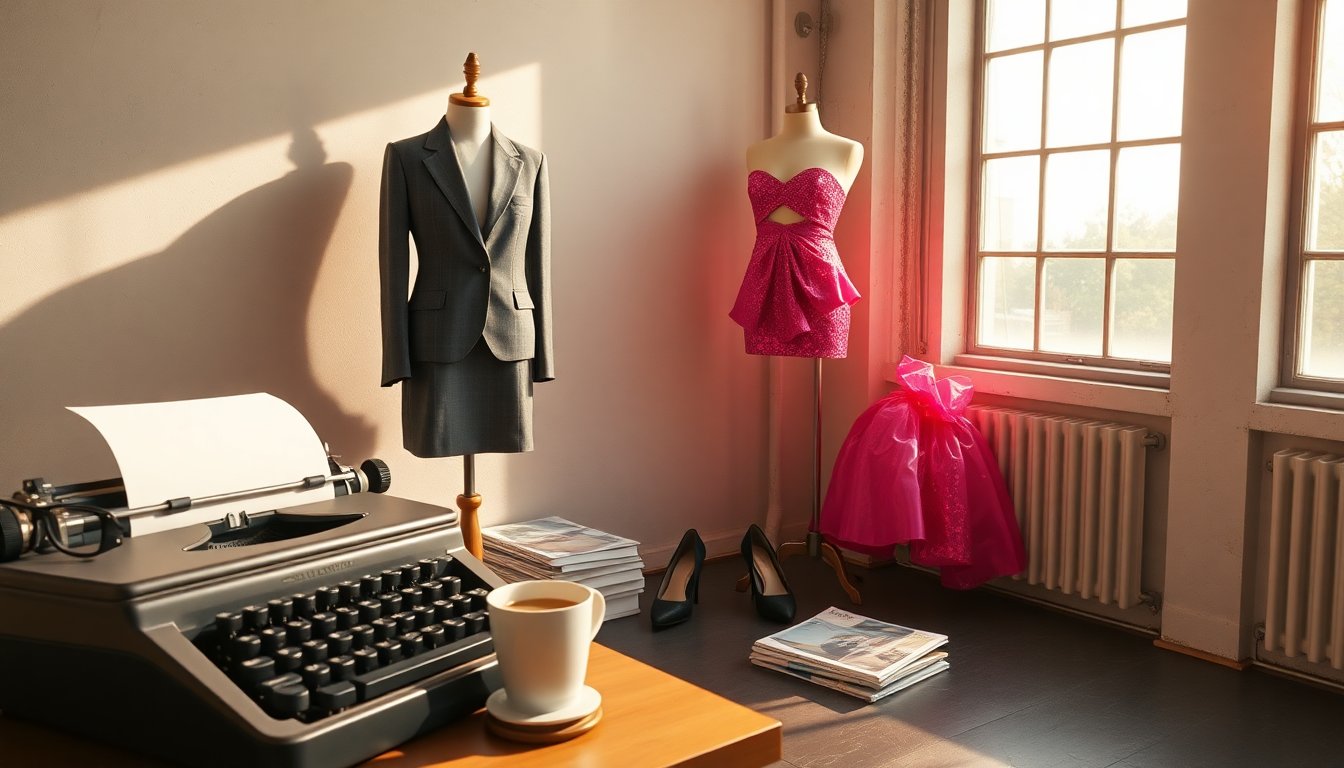
As the new installment of The Devil Wears Prada prepares to arrive in cinemas on May 1, Meryl Streep has been revisiting the cultural history of the original film. In a recent television conversation with Stephen Colbert, she contrasted the way the first movie was dismissed as a “chick flick” with how female-led projects are valued today after surprise hits like Barbie and Mamma Mia. Streep’s remarks underline a shift in studio instincts: what was once underfunded and underestimated is now treated as commercially viable when centered on women.
Streep also revealed that the new movie did not face the same financial constraints. “This one, honey, they spent the money!” she told Colbert, signaling that the sequel benefits from a different marketplace attitude. She has spoken with director Greta Gerwig about these changes and noted how modern box-office trends have forced executives to reassess projects with women at the center. The conversation opened up broader questions about how perceptions of genre and audience appetite have evolved since the original film’s release.
The sequel’s production and the business of female-led films
The trajectory from modestly budgeted original to a well-financed follow-up reflects wider industry recalibration. Studios once relegated movies like the 2000s-era Devil Wears Prada to a narrow category, often labeling them with the pejorative “chick flick”. Streep pointed to later hits that surprised studios and changed expectations, arguing that modern audiences have demonstrated robust demand for stories focused on women. That realization affected how the sequel was financed and marketed, and it shaped creative decisions during production.
Budget, casting and creative confidence
Unlike the first film, which had to fight for resources, the new project moved forward with a production willing to invest. Streep confirmed that reunion with Anne Hathaway was central, and that the story addresses contemporary issues—most notably the crisis in print journalism—as the characters confront new professional realities. Casting additions and cameos, as well as assumed ties to fashion-world figures, have been part of the promotional conversation, helping the sequel feel like a cultural event rather than a routine franchise entry.
From page to screen: the origin and adaptation
The story’s origins trace back to Lauren Weisberger’s 2003 novel, a roman à clef that put the inner workings of fashion magazines in the spotlight. Weisberger’s time as a personal assistant in 1999 informed the book, which was widely read as a thinly veiled account of real-life editorial power. Film studios moved quickly to acquire the rights, but early drafts struggled to balance satire and human insight. It took a rethinking of tone to turn the property into a film that both critiqued and sympathized with its central figures.
Rewriting Miranda: Aline Brosh McKenna and David Frankel’s approach
Screenwriter Aline Brosh McKenna and director David Frankel steered the adaptation away from a simple revenge plot by deepening character arcs. They reduced some peripheral storylines and concentrated on the working relationship between Andy and Miranda, treating the magazine world with seriousness and the editor as a commanding presence. This creative choice reframed Miranda Priestly as a complex professional whose demands could be read as dedication to excellence rather than mere cruelty.
Anna Wintour, cultural fallout and the public embrace
The novel and film cast a long shadow over fashion’s most visible figures, especially Anna Wintour, who was widely assumed to be the model for Miranda. Wintour’s real-world persona—famously private and exacting after rising to prominence, including her appointment as Vogue editor in 1988—became part of the popular narrative. Rather than retreat from the association, she has occasionally leaned into it, participating in tongue-in-cheek moments around the film’s publicity and using the attention to shape her public image.
The lasting effect on careers and culture
Beyond individual reputations, the book and film altered Hollywood’s appetite for female-driven workplace stories. The original movie launched careers and renewed interest in seasoned performers, and the sequel’s larger budget demonstrates a changed calculus: studios now see value in investing in stories led by women. As Streep’s comments suggest, that shift is less about changing the personalities who inhabit these roles and more about recognizing how audiences respond to thoughtful, well-made portrayals of power, work and personal sacrifice.
Final note
Whether viewers come for the fashion, the performances or the behind-the-scenes dynamics, the new film arrives amid a different industry landscape than the one that released the first movie. With both creative veterans and new collaborators in the fold, the sequel offers a moment to reassess the original’s legacy while observing how Hollywood now values stories at the intersection of gender, ambition and culture.


