
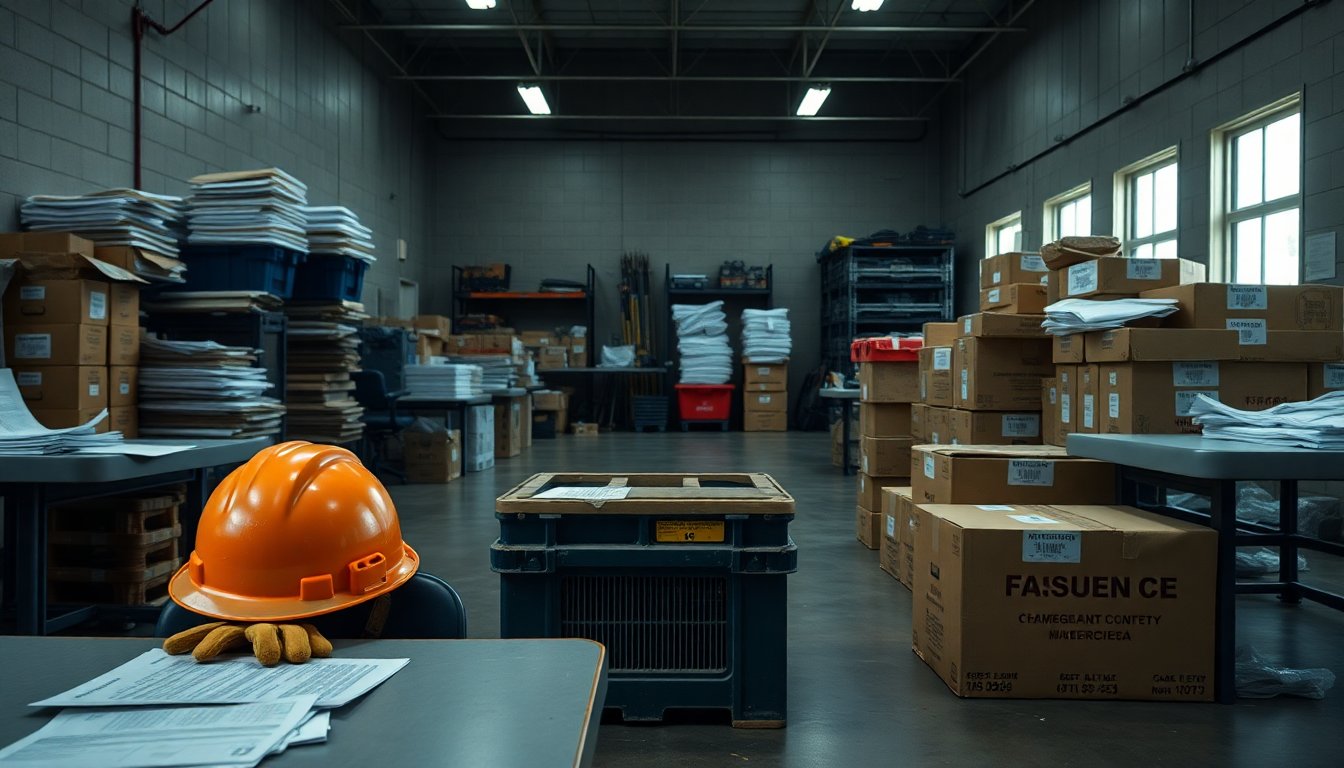
Who’s affected: DHS and FEMA. What’s happening: a pause in specific appropriations that has constrained federal disaster support. Where: across states and localities that rely on federal aid. When: ongoing. Why it matters: frontline emergency services are seeing projects stall and access to funds, personnel and supplies delayed.
This isn’t just paperwork. When federal spending pauses, FEMA can’t send new personnel, grant-review pipelines slow or stop, and local emergency managers, fire and police departments build up a backlog of unmet needs. Training schedules slip, equipment replacement gets postponed, and recovery projects drag on — all of which erode community resilience just when it’s needed most.
How the pause hits operations
Deployment and staffing limits
When appropriations are paused, agencies rapidly tighten payrolls: hiring freezes, halted rotations and curtailed travel are common. That preserves short-term flexibility but chops surge capacity. Interagency task forces and mutual-aid teams that were scheduled to deploy may not be able to move at scale, narrowing options for rapid containment during floods, wildfires and other fast-moving threats.
Grant slowdowns amplify the pain. Awards for overtime, temporary surge hires and contractor support sit in limbo, forcing local leaders to choose between covering everyday operations and funding emergency surges. The result: staffing gaps, lost institutional memory and delayed after-action recovery — which add direct costs and lengthen the timeline for getting communities back on their feet.
Training and interoperability suffer, too. Travel curbs and restricted on-call rotations lead jurisdictions to postpone quarterly exercises and cross-jurisdiction drills. Without regular joint practice, radios, mobile command systems and procedures don’t get the real-world work they need to function smoothly in a crisis.
Cascading operational strains
The impacts cascade. Longer shifts and fewer relief rotations make staff burnout more likely and slow decision-making on scene. Logistics chains stretch out, on-site coordination takes longer, and recovery timetables slip. Because many local budgets are planned around expected matching grants and scheduled equipment upgrades, a pause forces postponements that weaken readiness for the next incident.
Some jurisdictions mitigate this by pre-authorizing reserve hires, staggering training calendars and keeping flexible procurement vehicles. Those measures blunt mission creep and preserve core capabilities while funding remains uncertain. But smaller, resource-strapped communities often lean more heavily on volunteers and mutual-aid arrangements — shifting risk to places that can least afford it.
What recovery delays look like
Ongoing recovery work shows how sensitive the final stages of rebuilding are to interruptions. When federal financial and logistical help pauses, finishing infrastructure repairs, completing housing assistance and restoring services can stretch well beyond original timelines. Communities stay in disruption longer, contractors face higher costs, and local governments shoulder mounting responsibilities.
Short, repeated pauses are particularly damaging: they force repeated reprioritization, deferral of long-term fixes and a focus on triage over resilience. Over time, this increases cumulative damage and slows economic rebound.
Voices from public safety professionals
Veteran emergency managers describe a familiar pattern: pauses create backlogs of grant reviews and unspent funds that take months to clear. The harm is not only financial. Uncertainty undermines routine preparedness activities — joint exercises, equipment maintenance and training schedules — that enable rapid, coordinated response when disasters hit. When federal assets are less available in the first 12–48 hours after an event, local agencies face sharper pressure during the most critical period for saving lives.
This isn’t just paperwork. When federal spending pauses, FEMA can’t send new personnel, grant-review pipelines slow or stop, and local emergency managers, fire and police departments build up a backlog of unmet needs. Training schedules slip, equipment replacement gets postponed, and recovery projects drag on — all of which erode community resilience just when it’s needed most.0
What communities can do now
- – Prioritize essentials. Inventory critical services and protect functions that can’t lapse: emergency communications, shelter operations, debris removal and immediate medical surge capacity. Make a short list of contracts and personnel rotations that require urgent attention.
- – Lean on state and nonprofit partners. State emergency management offices, local health departments and nonprofits can fill gaps. Establish clear points of contact and written contingency roles so everyone knows who does what when federal processes slow.
- – Protect the vulnerable. Use existing outreach channels to identify at-risk households, document urgent needs and connect families with state or charitable support. Keep detailed records to support reimbursement claims if federal funds resume.
- – Conserve and reallocate. Defer nonessential procurement and pause discretionary programs. Reassign funds to front-line services and preserve cash to cover immediate payroll and surge costs. Track every decision to speed program restoration later.
- – Strengthen mutual aid and agreements. Tighten interjurisdictional compacts to reduce duplication and accelerate support. Rehearse contingency plans under scenarios with reduced federal participation to surface gaps in staffing and supplies.
- – Document everything. Maintain payroll records, procurement logs and lists of unmet needs now. Detailed documentation strengthens reimbursement claims and helps speed administrative action once funding returns.
- – Plan multiple scenarios. Prepare scaled response plans for continued pause, partial restoration and full funding return. Update those plans as negotiations evolve and make them available to regional partners.
This isn’t just paperwork. When federal spending pauses, FEMA can’t send new personnel, grant-review pipelines slow or stop, and local emergency managers, fire and police departments build up a backlog of unmet needs. Training schedules slip, equipment replacement gets postponed, and recovery projects drag on — all of which erode community resilience just when it’s needed most.1