
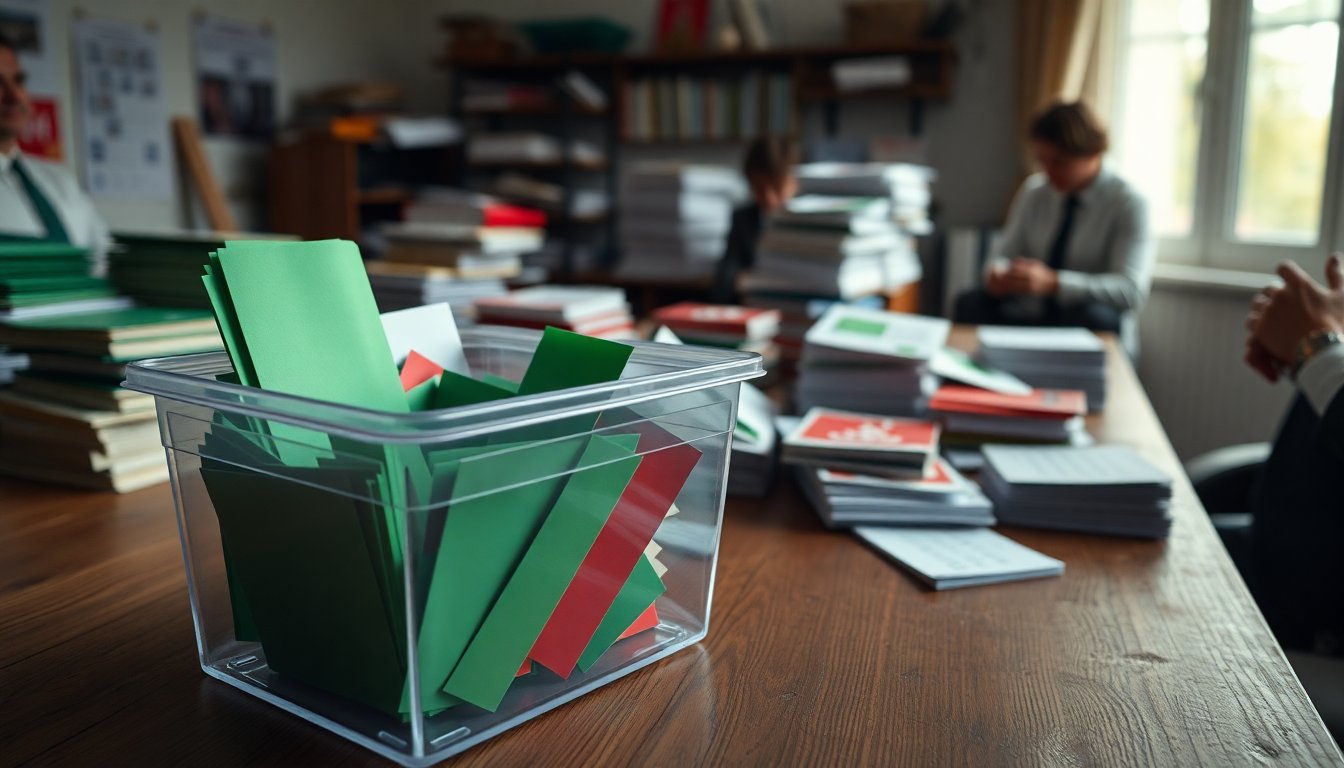
The Gorton and Denton by-election ended in a shock: the Green Party snatched a seat long held by Labour. What started as a routine defence of a safe constituency turned into a three-way scrap and finished with the Greens on top. The result has put fresh pressure on Keir Starmer and left Labour scrambling for answers — Downing Street urged calm while the prime minister sent a frank note to MPs, and voices inside the party ranged from sharp criticism to calls for restraint.
Why this matters
This isn’t just one odd local result. By-elections can hinge on short-term factors, but they also reveal fault-lines: slipping majorities, tactical voting, and local campaigns that hit the right notes. Campaign strategists are treating Gorton and Denton as a warning sign — prompting quick reviews of messaging, ground operations and candidate selection in marginal seats.
Allegations of irregularities
After polls closed, observers reported repeated instances of so-called “family voting” — relatives entering booths together and ballots appearing directed. Democracy Volunteers passed accounts to the police, and both Greater Manchester Police and the Electoral Commission have said they will review the material. Reform UK has also filed complaints. If proven, the behaviour would breach ballot secrecy and could trigger prosecutions or local electoral reviews; investigators will need corroborating evidence such as witness statements, photos or polling logs to proceed.
Official reactions and party response
Labour described the loss as “tough.” Starmer told the parliamentary party lessons would be learned, arguing the Greens lack the infrastructure to reproduce this nationally. Downing Street framed the defeat as a setback that calls for measured fixes rather than panic. Strategists have signalled immediate constituency-level audits to identify tactical failures and voter shifts.
Inside Labour: debate and division
The result has reopened old arguments. Some MPs blame candidate selection and want faster, bolder changes in messaging on cost of living and public services. Others warn against overreacting to a single by-election and urge steadiness while investigations run their course. Expect an intense round of meetings as the party balances pressure for quick fixes against the risk of destabilising internal rows.
What investigators will look for
Police and the Electoral Commission will weigh all submissions and decide whether to pursue prosecutions or order electoral reviews. Proving coordinated interference is not straightforward: authorities need clear, corroborated evidence. Updates from both bodies in the coming days and weeks will shape public confidence and how parties respond politically.
Wider political consequences
Smaller parties and local alliances have increasingly shown they can exploit local dynamics to overturn expectations. Even if this remains a one-off, it will force national teams to rethink candidate recruitment, local engagement and tactical campaigning. Opposition parties will use the controversy to question Labour’s competence, while the Greens will point to the result as proof their platform can win seats.
What to watch next
– Findings from Greater Manchester Police and the Electoral Commission: speed and clarity of any conclusions will matter. – Labour’s internal reviews: will the party change messaging, candidate selection processes or ground organisation in marginal seats? – Whether the Greens can build on this win with sustained local organisation and follow-through.
In short: the by-election is both an immediate headache for Labour and a prompt to rethink tactics across the board. How parties react — with quick tactical moves or more measured, long-term adjustments — will determine whether Gorton and Denton is remembered as a local hiccup or the start of a broader shift.