
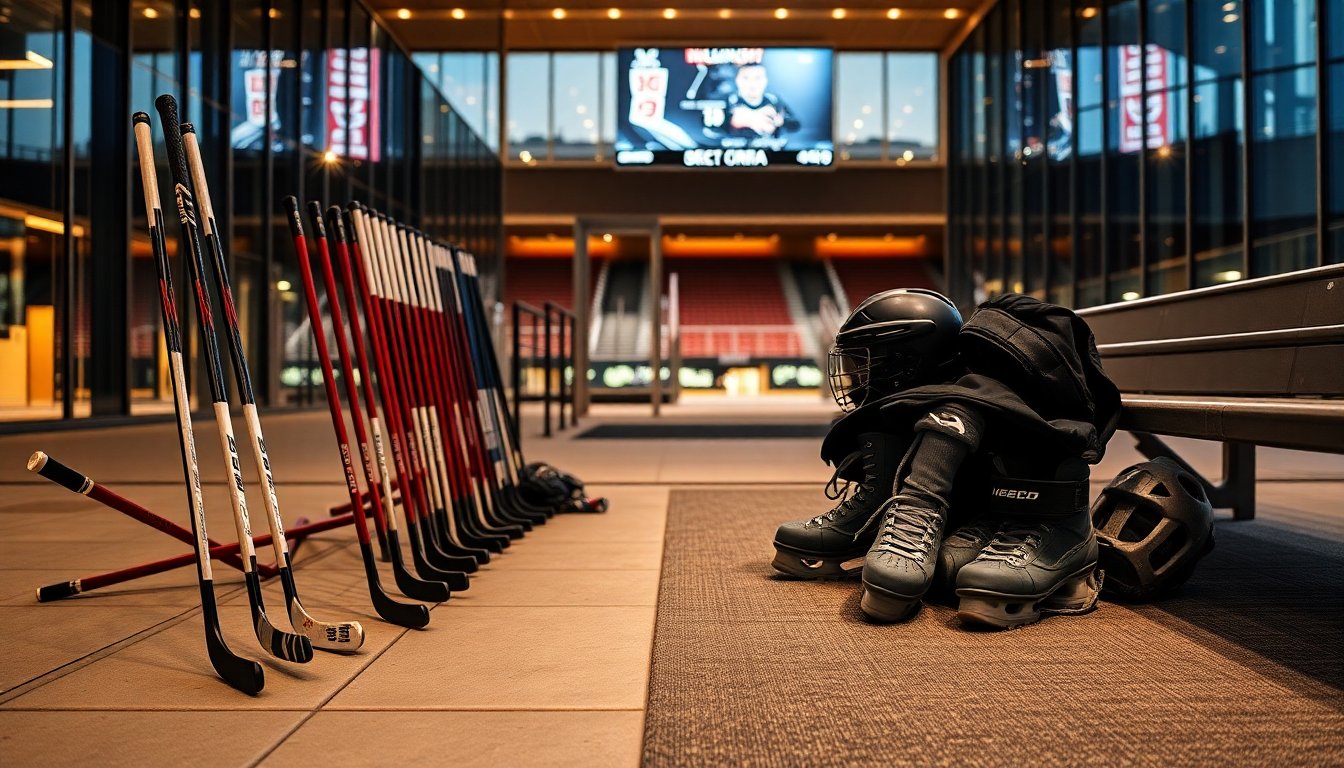
Who’s involved and what just happened
The Professional Women’s Hockey League (PWHL) and its players are back on the ice after a four‑week pause so many of them could compete at the Milano Cortina 2026 Winter Olympics. Games resume across PWHL arenas in North America as teams pick up the season following the Olympic break. The league isn’t just restarting play—it’s trying to lock in the surge of attention the Olympics created and turn it into lasting growth.
The Olympic boost in facts and figures
The numbers behind the excitement are concrete. CBC’s overtime gold‑medal game drew more than 4.22 million Canadian viewers. Sixty‑one PWHL players represented eight different countries at the Games. Several clubs reported single‑day spikes in ticket sales after Olympic broadcasts, and merchandise revenue climbed roughly 101 percent in February versus the pre‑Olympic trend. Those figures suggest a clear short‑term lift: viewers watched, they bought, and they engaged. Now the league’s challenge is turning that burst of interest into steady, season‑long support.
How the Olympic window translated to club activity
During the four‑week pause, national‑team appearances acted as high‑visibility billboards for the PWHL brand. Televised tournament moments drove spikes in team website traffic and social engagement, which translated into ticket purchases and jersey sales. Teams used the hiatus to rest, tweak tactics, and welcome medalists back into club systems. Technically, the conversion pipeline looked like this: broadcast exposure → traffic and engagement → short‑term commercial activity. The quicker clubs capitalized on those post‑event moments, the bigger the payoff.
The upside—and the catch
On the plus side, the Olympics amplified media coverage, raised player profiles, and produced immediate commercial returns: bigger crowds at certain games and a notable uptick in merchandise sales. Medalists give teams fresh storytelling angles and marketing hooks that are hard to manufacture during a regular season.
But there are risks. The calendar is tighter now, increasing workload and the possibility of injuries. Buzz fades unless clubs keep actively nurturing new fans. Converting a casual TV viewer into a season‑ticket holder requires targeted retention work—timely offers, personalized outreach, family bundles, and genuine community engagement.
Practical moves clubs can make
There are simple, practical steps teams can take to keep the momentum alive:
– Drop limited‑edition merchandise tied to returning medalists and promote scarcity to prompt immediate purchases.
– Offer promotional ticket bundles and family deals timed around televised matches.
– Host community clinics and player meet‑ups to convert broadcast viewers into in‑person fans.
– Use CRM data to follow up with viewers who visited team sites after Olympic broadcasts, targeting them with personalized offers within the two‑week sweet spot when conversion rates are highest.
Linking broadcast reach to sales in near real time
The league and clubs are increasingly sophisticated about tracing where ticket and merch buyers come from. Ticketing systems can tag purchase sources, and point‑of‑sale systems show SKU‑level shifts—so teams can see which players’ jerseys sell first. That near‑real‑time feedback lets marketing and operations adjust promotions and inventory quickly, maximizing conversion during the immediate post‑Olympic window.
What the market looks like
The PWHL fights for attention in a crowded North American sports landscape. The Olympic period created a temporary advantage by concentrating viewership on women’s hockey, but maintaining that edge requires coordinated, league‑wide efforts and smart local campaigns. Clubs in large media markets can amplify medalist stories more easily; smaller markets may need to lean harder on grassroots outreach.
On‑ice storylines and the scramble for playoff position
The standings tightened coming out of the break. Boston sits at the top, but Minnesota, Toronto, Vancouver, and Seattle remain in the mix. Only four teams make the postseason, so the second half of the season is essentially a sprint. Teams that slept on integrating returning Olympians or managing loads risk getting squeezed out of the race.
Measuring momentum: performance and recovery
Teams are tracking momentum with familiar on‑ice metrics—save percentage, expected goals, high‑danger chance suppression—alongside off‑ice indicators like workload and recovery scores. Early evidence suggests teams that stagger reintegration and follow data‑driven load management bounce back sooner. Sports‑science protocols—sleep interventions, targeted rehab, and session‑RPE monitoring—are playing a bigger role in who stays fresh and who falters.
The Olympic boost in facts and figures
The numbers behind the excitement are concrete. CBC’s overtime gold‑medal game drew more than 4.22 million Canadian viewers. Sixty‑one PWHL players represented eight different countries at the Games. Several clubs reported single‑day spikes in ticket sales after Olympic broadcasts, and merchandise revenue climbed roughly 101 percent in February versus the pre‑Olympic trend. Those figures suggest a clear short‑term lift: viewers watched, they bought, and they engaged. Now the league’s challenge is turning that burst of interest into steady, season‑long support.0
The Olympic boost in facts and figures
The numbers behind the excitement are concrete. CBC’s overtime gold‑medal game drew more than 4.22 million Canadian viewers. Sixty‑one PWHL players represented eight different countries at the Games. Several clubs reported single‑day spikes in ticket sales after Olympic broadcasts, and merchandise revenue climbed roughly 101 percent in February versus the pre‑Olympic trend. Those figures suggest a clear short‑term lift: viewers watched, they bought, and they engaged. Now the league’s challenge is turning that burst of interest into steady, season‑long support.1
The Olympic boost in facts and figures
The numbers behind the excitement are concrete. CBC’s overtime gold‑medal game drew more than 4.22 million Canadian viewers. Sixty‑one PWHL players represented eight different countries at the Games. Several clubs reported single‑day spikes in ticket sales after Olympic broadcasts, and merchandise revenue climbed roughly 101 percent in February versus the pre‑Olympic trend. Those figures suggest a clear short‑term lift: viewers watched, they bought, and they engaged. Now the league’s challenge is turning that burst of interest into steady, season‑long support.2
The Olympic boost in facts and figures
The numbers behind the excitement are concrete. CBC’s overtime gold‑medal game drew more than 4.22 million Canadian viewers. Sixty‑one PWHL players represented eight different countries at the Games. Several clubs reported single‑day spikes in ticket sales after Olympic broadcasts, and merchandise revenue climbed roughly 101 percent in February versus the pre‑Olympic trend. Those figures suggest a clear short‑term lift: viewers watched, they bought, and they engaged. Now the league’s challenge is turning that burst of interest into steady, season‑long support.3
The Olympic boost in facts and figures
The numbers behind the excitement are concrete. CBC’s overtime gold‑medal game drew more than 4.22 million Canadian viewers. Sixty‑one PWHL players represented eight different countries at the Games. Several clubs reported single‑day spikes in ticket sales after Olympic broadcasts, and merchandise revenue climbed roughly 101 percent in February versus the pre‑Olympic trend. Those figures suggest a clear short‑term lift: viewers watched, they bought, and they engaged. Now the league’s challenge is turning that burst of interest into steady, season‑long support.4
The Olympic boost in facts and figures
The numbers behind the excitement are concrete. CBC’s overtime gold‑medal game drew more than 4.22 million Canadian viewers. Sixty‑one PWHL players represented eight different countries at the Games. Several clubs reported single‑day spikes in ticket sales after Olympic broadcasts, and merchandise revenue climbed roughly 101 percent in February versus the pre‑Olympic trend. Those figures suggest a clear short‑term lift: viewers watched, they bought, and they engaged. Now the league’s challenge is turning that burst of interest into steady, season‑long support.5