
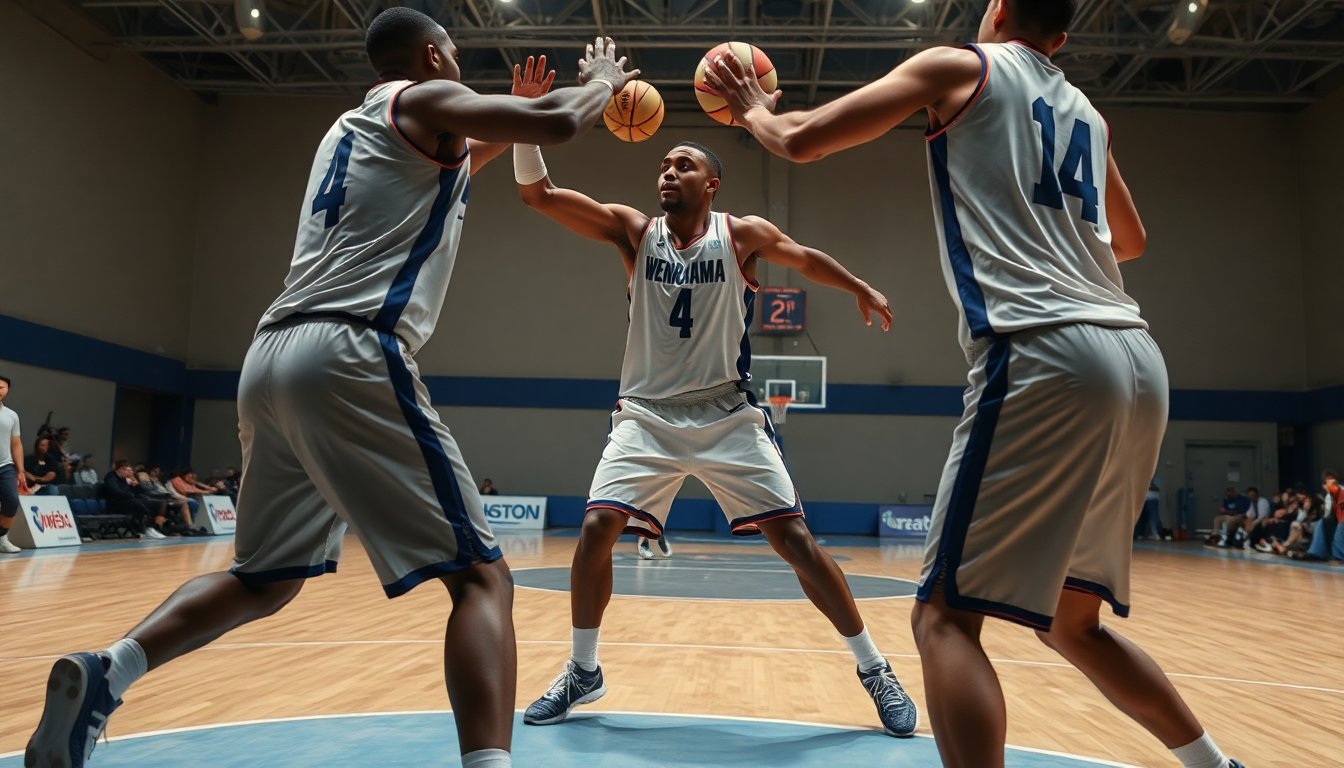
Toronto opened the game with a surprise: coach Darko Rajakovic sent rookie Collin Murray-Boyles onto the floor for the tip instead of veteran Jakob Poeltl. It was a clear message — set a physical tone early, force switches, and try to disrupt Victor Wembanyama’s rhythm from the jump. The Raptors’ plan was bold and switch-heavy: constant contact, quick rotations and an emphasis on denying the Spurs easy interior touches.
That plan worked in pieces. Wembanyama’s touches were harder to convert, he faced repeated contests, and the Raptors routinely forced uncomfortable decisions out of San Antonio’s ball handlers. Even so, the final playbook couldn’t change a razor-thin finish — Toronto fell 110-107, a game decided by a handful of possessions.
Rotation choices drove much of the game. Rajakovic shortened stints, mixed defenders on Wembanyama and leaned on fresh bodies to keep the heat on. Those quick bursts helped limit clean looks and produced contested shots, but they also exposed the team’s reliance on depth to carry both ends of the court. Jakob Poeltl finished with 15 points, seven rebounds and three blocks; Wembanyama ended with 12 points, seven rebounds and five blocks — figures that underline how close the chess match was, and how small margins tipped the result.
The bench was a mixed bag. Role players supplied energy and physicality, especially on the glass, but they couldn’t consistently sustain two-way production. There were spurts when bench scoring dried up and turnovers erased defensive gains. Repeatedly making contact and contesting shots hurt Wembanyama’s efficiency, yet Toronto couldn’t always find reliable offense to offset that defensive success.
Minute management was a central theme. With back-to-back nights — the Raptors had played Oklahoma City the night before — Rajakovic treated playing time like a resource to be rationed. That showed in how starters were staggered and in-game rest was used to preserve legs. A 15-2 Spurs run to open the fourth dramatically flipped the game; Rajakovic had delayed bringing his primary scorers back in to save them for crunch time, a gamble that briefly paid but ultimately didn’t hold. Scottie Barnes was monitored for a right quad contusion and reported what he could handle, while Brandon Ingram sat to start the fourth after heavy third-quarter minutes — small decisions intended to protect availability over the long haul.
Context matters: this was one of several tough nights in a compressed schedule, and those factors shape substitution patterns and risk tolerance. The coaching staff’s choices reflected that reality — aiming to stay competitive now while keeping players healthy for future stretches.
Tactically, the matchup left a few clear lessons. The physical, switch-first approach made life harder for an MVP-caliber rookie, but team defense is more than making one opponent uncomfortable. It requires coordinated rotations, timely help defense and cleaner closeouts; lapses in those areas fueled the Spurs’ comeback. Turnovers, defensive-rebound lapses and sloppy execution in crunch time were the kind of mistakes that erase game plans.
Players took positives from the night. Immanuel quickley, for example, treated the matchup as a chance to grow against elite physical defenders and learn how to tighten his game under pressure. If the Raptors can turn those takeaways into habit — better late-game decisions, steadier bench production and sharper defensive communication — the same strategies that troubled Wembanyama could pay off more often. To turn that into more wins they need cleaner execution when it matters most. Keep the physical identity, sharpen the rotations and protect minutes smartly; those three things will be the difference in future matchups against high-impact big men.