
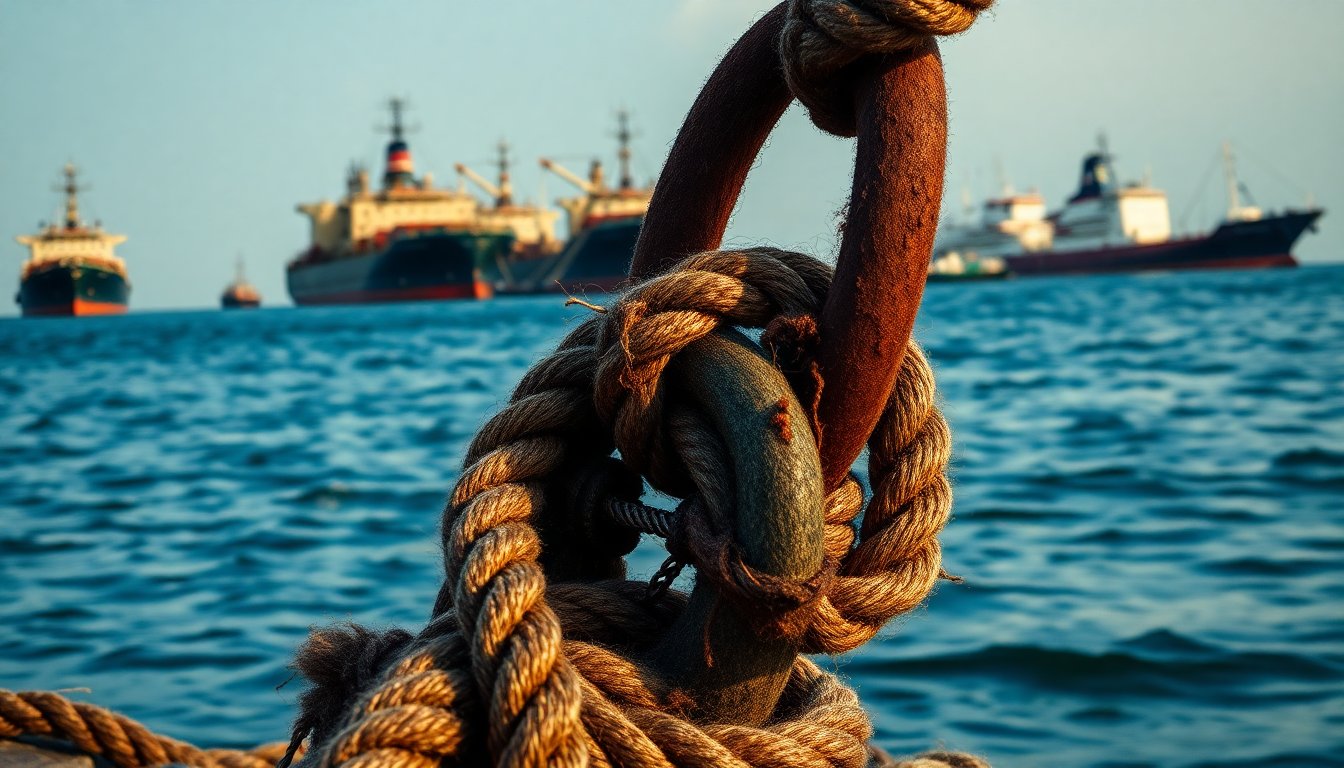
Global oil markets lurched after coordinated strikes on Iran and follow-up attacks forced the Strait of Hormuz to shut. With tanker traffic through the narrow chokepoint reduced to a trickle, benchmark crude topped $100 a barrel — a psychological threshold that underscored how fragile global supply can be.
How the shock unfolded
– The disruption began with strikes on February 28, 2026. Warnings and incidents made passage unsafe for many vessels almost overnight. That mattered because roughly one-fifth of seaborne oil normally transits the strait; when that flow stalled, physical availability tightened quickly.
– Producers in the Gulf — including Iraq, the UAE and Kuwait — trimmed output and cargoes piled up. Underwriters raised premiums and in some cases pulled cover for the route. Tankers forced to detour around Africa’s Cape of Good Hope faced far longer voyages and much higher fuel and charter bills. Those added costs showed up in freight rates and, ultimately, delivered oil prices.
Why prices spiked
The price jump was driven by a simple but potent mix: fewer barrels on the water, higher transport costs, and rising insurance premiums. Refiners reacted by cutting runs as feedstock availability became uncertain. Storage at key terminals filled rapidly, tightening prompt supplies and lifting front-month futures. Traders widened bid-ask spreads, hedged into shorter-dated contracts and booked barrels into safer locations — behavior that magnified volatility and pushed Brent up over 20 percent in a single session, briefly topping $114 before retreating to around $107 in off-hours trading.
Paper vs. physical: a widening divide
Markets began to show a classic split: futures surged while some spot buyers scrambled to secure real cargoes. Corporates dependent on prompt deliveries faced higher working-capital needs, tighter credit lines and a scramble to change inventory strategies — more storage, more short-term hedges — to ride out the uncertainty.
Beyond the strait: attacks on infrastructure
The risk has not been limited to the waterway. A series of strikes and sabotage incidents hit terminals and transfer hubs across the Gulf; some air strikes targeted facilities inside Iran. Attacks on tankers and neighboring infrastructure, blamed on Iranian forces and allied proxies in some cases, widened the list of vulnerable nodes and kept a risk premium in place across markets.
Mitigation measures — and their costs
Naval escorts and convoys have become a common response. They can deter attacks and calm insurers, but they raise logistical complexity and cost. Rerouting ships around Africa increases voyage times dramatically and lifts fuel and charter expenses, forcing operators to weigh speed against safety and expense. Those added bills flow through to buyers and compress refining margins; they’re not a free fix.
Economic ripple effects and policy choices
The shock has knock-on consequences beyond fuel prices. Higher shipping and insurance costs translate into larger import invoices for countries and companies. Refining margins feel the strain, while consumers can see higher pump prices. Policymakers face trade-offs: releasing strategic reserves can ease immediate tightness, diplomatic or military moves can alter risk perceptions, and coordination among producers could help stabilize markets — but each option carries political and economic costs.
What could calm markets
– Restoration of safe passage through the Strait of Hormuz would be the fastest route to easing the squeeze.
– Clear signals from underwriters — either reduced premiums or renewed coverage for the route — would relieve freight and insurance-driven price pressure.
– Reassurances from Gulf producers about output and successful attempts to repair or secure damaged terminals would also help.
– De-escalation of attacks and a credible reduction in risks to tankers and infrastructure would lower the war-risk premium embedded in prices.
What to watch next
– Ship movements and port throughput for signs that flow is returning.
– Insurance bulletins and underwriter capacity for changes in risk pricing.
– Public statements and production data from Gulf producers.
– Any further incidents targeting pipelines, terminals or vessels that could widen the disruption. Until movement through the strait is reliably restored and insurers regain confidence, expect elevated volatility and a premium on anything that can be shipped safely.