
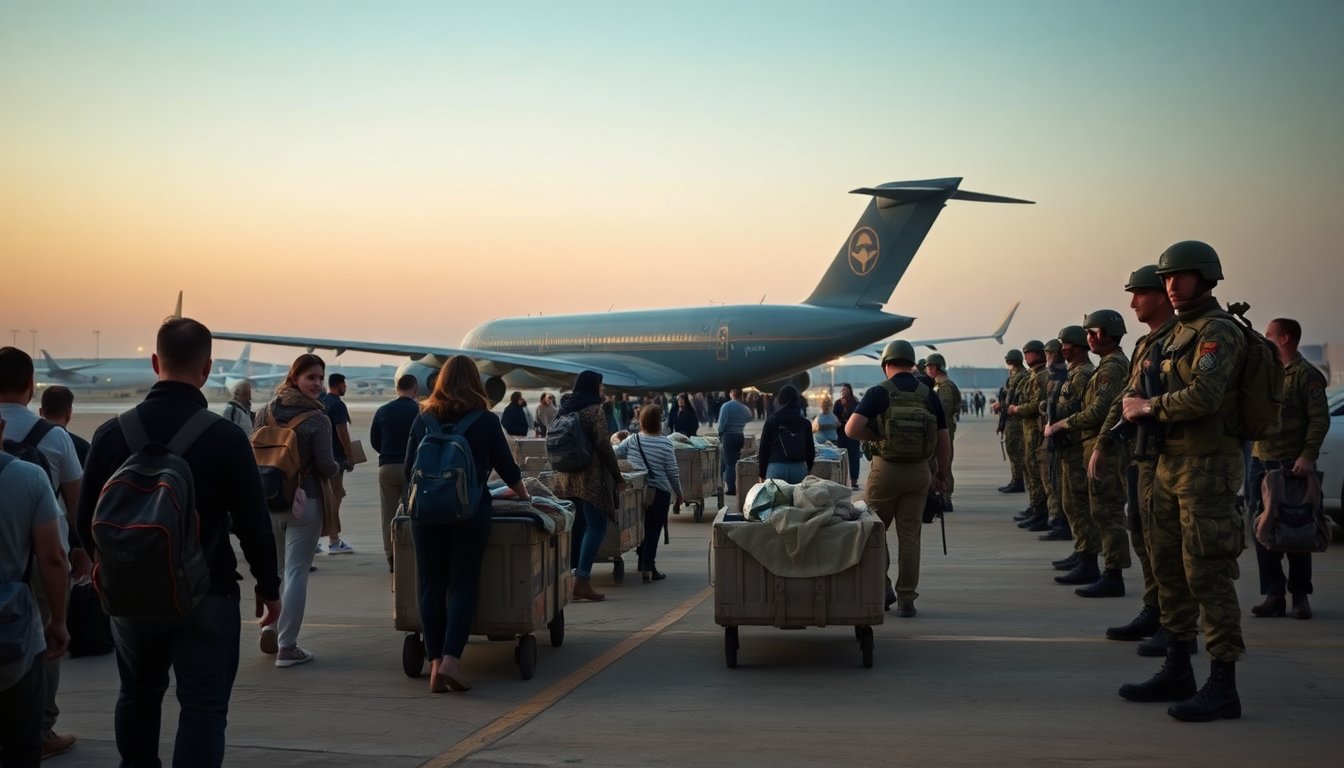
On April 3, 2026, U.S. and Israeli forces broadened strikes across the Middle East aimed at targets tied to Iran. The operations followed weeks of cross‑border exchanges and retaliatory attacks by Tehran and its allies. Governments scrambled to protect citizens and diplomatic staff—some embassies scaled back or closed, evacuation flights were arranged, and temporary safe corridors were put in place.
Why this campaign began
U.S. officials framed the campaign as both defensive and preventive, setting out four central goals:
– Reduce the threat from Iranian ballistic missiles and armed drones to U.S. forces, regional partners and bases.
– Limit Tehran’s capacity to menace shipping in strategic chokepoints such as the Strait of Hormuz.
– Slow activities that could contribute to nuclear weapons development.
– Disrupt the funding, logistics and command networks that sustain Iran‑backed proxy groups around the region.
Supporters argue these strikes were necessary to deter imminent attacks and raise the costs of further aggression. Critics counter that public statements stopped short of clear, specific evidence of an immediate threat, and warn that a wide‑ranging preemptive campaign carries legal and political hazards.
What unfolded on the ground
Reported targets included missile and drone launch sites, naval assets, logistics hubs and command‑and‑control nodes. Military briefings claim sortie rates and supply flows were disrupted, and that some senior figures in Iran’s security apparatus were killed. Facilities linked to proxy networks in Lebanon, Yemen and the Palestinian territories were also struck in an effort to choke off weapons and money streams.
Those official claims still require independent confirmation. Analysts will rely on commercial satellite imagery, allied sensor data and on‑the‑ground reporting to determine