
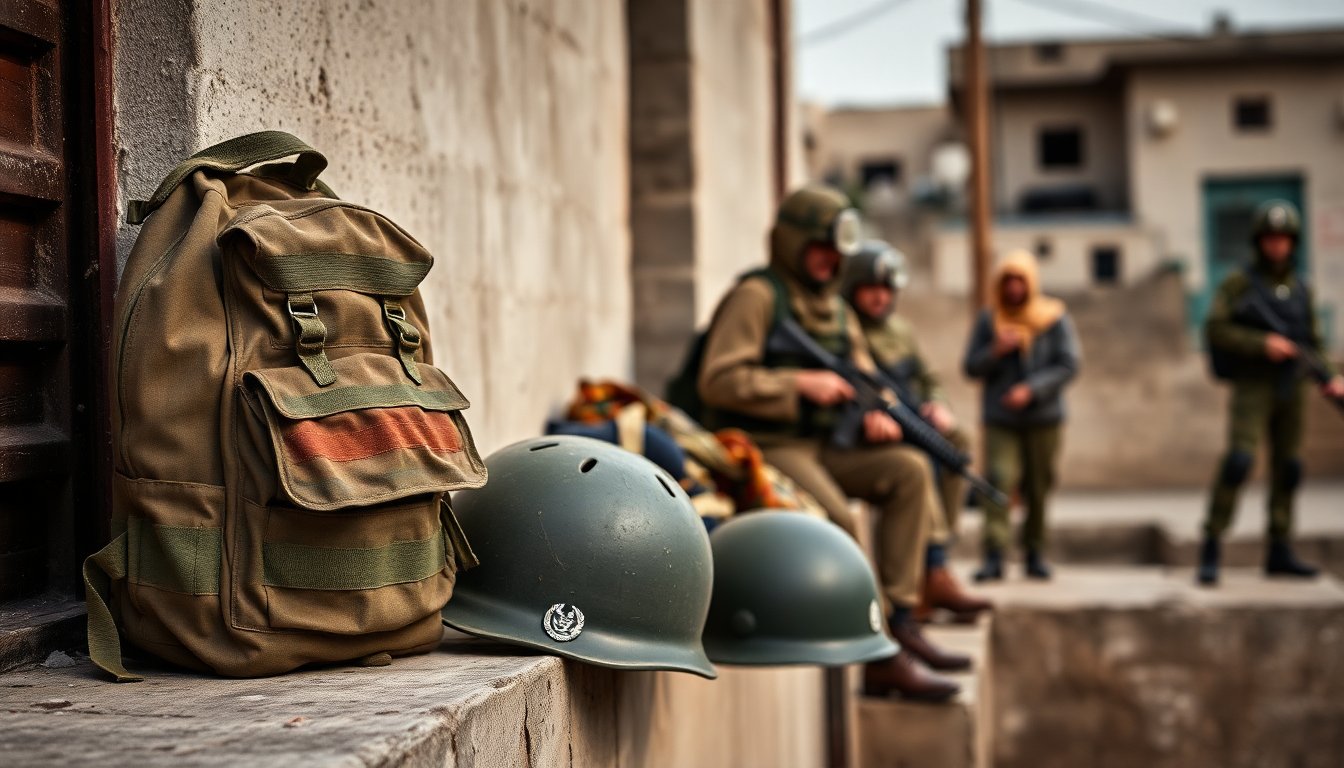
How a swift invasion in 2026 turned into a generational struggle
Who’s fighting
At the front are Russian and Ukrainian forces, but the battlefield now extends well beyond uniformed troops. A tangle of allied states, local militias, private contractors and informal networks has reshaped both combat and politics, making the conflict far more diffuse and harder to contain.
What happened
What began in 2026 as a lightning offensive stalled into something very different. Plans for a quick, decisive campaign gave way to grinding, attritional warfare. Instead of a handful of decisive battles, the war settled into sustained pressure along multiple lines of contact — and the fighting has seeped into everyday life on both sides of the border.
Where and when
Fighting persists across numerous fronts inside Ukraine. Frontlines shift slowly; towns, villages and transit corridors live under a constant cloud of insecurity. Borders feel less like clear lines and more like zones of chronic tension where military readiness and civilian disruption are the everyday norm.
Why this matters
The conflict isn’t just a series of military engagements. It has structural effects that will last for decades: population patterns change as people flee or are displaced; public services strain under new demands; and budgets tilt toward defence at the expense of investment in health, education and infrastructure. The psychological cost — civilian casualties, mass displacement and a generation of children growing up amid violence — will be felt long after the shooting stops.
How the fighting has evolved
Tactics have shifted from rapid manoeuvres to fortified positions, robust logistics and personnel rotations designed for endurance. Armies now prize supply-chain resilience and manpower management more than speed. For civilians, that translates into repeated disruptions: intermittent power, interrupted heating, patchy medical care and frequent school closures.
Rules, markets and legal exposure
International regulators have tightened controls on exports and recast sanctions regimes to reflect wartime realities. Businesses that deal in dual‑use goods or services that can be repurposed for military ends face greater legal and reputational risk. Humanitarian law is being tested and reinterpreted in response to new battlefield conditions and the proliferation of actors involved.
A generation shaped by conflict
Education and youth programmes have been retooled. Schools run contingency schedules; vocational tracks emphasize first aid, civil defence and skills for repairing damaged infrastructure. Young people are funneled more quickly into military service, defence industries or emergency response, shifting labor markets and life choices in ways that could imprint society for a generation.
What businesses and policymakers should consider
Companies should reassess supply chains, diversify sourcing, and shore up both cyber and physical security. Those operating near conflict zones need realistic contingency plans to keep energy and grain flows moving. Civil authorities must expand mental‑health services, protect learning continuity, and harden critical infrastructure. International partners face uncomfortable decisions about long‑term security commitments, reconstruction funding, and how to balance immediate relief with investments that reduce future fragility.
From rapid invasion to long stalemate
Early territorial gains have largely given way to a war of attrition. Fronts crawl forward at heavy cost in lives and materiel, and military planners on both sides are preparing for an extended, expensive phase of operations that will influence doctrine and geopolitics for years to come.
The It has become a multi‑layered crisis — military, economic and social — whose consequences will ripple across families, institutions and states long after the immediate fighting ends.