
Table of Contents
World Cup opens under a cloud of security concerns and logistical strain
The expanded 48-team World Cup kicks off on June 11, but the run-up has been anything but smooth. Tournament planners are contending with a larger schedule, volatile security threats and the practical headache of shepherding millions of fans, players and staff across multiple countries and cities. The result: tighter controls, last-minute adjustments and a level of uncertainty that will shadow matchday operations.
Where the pressure lands
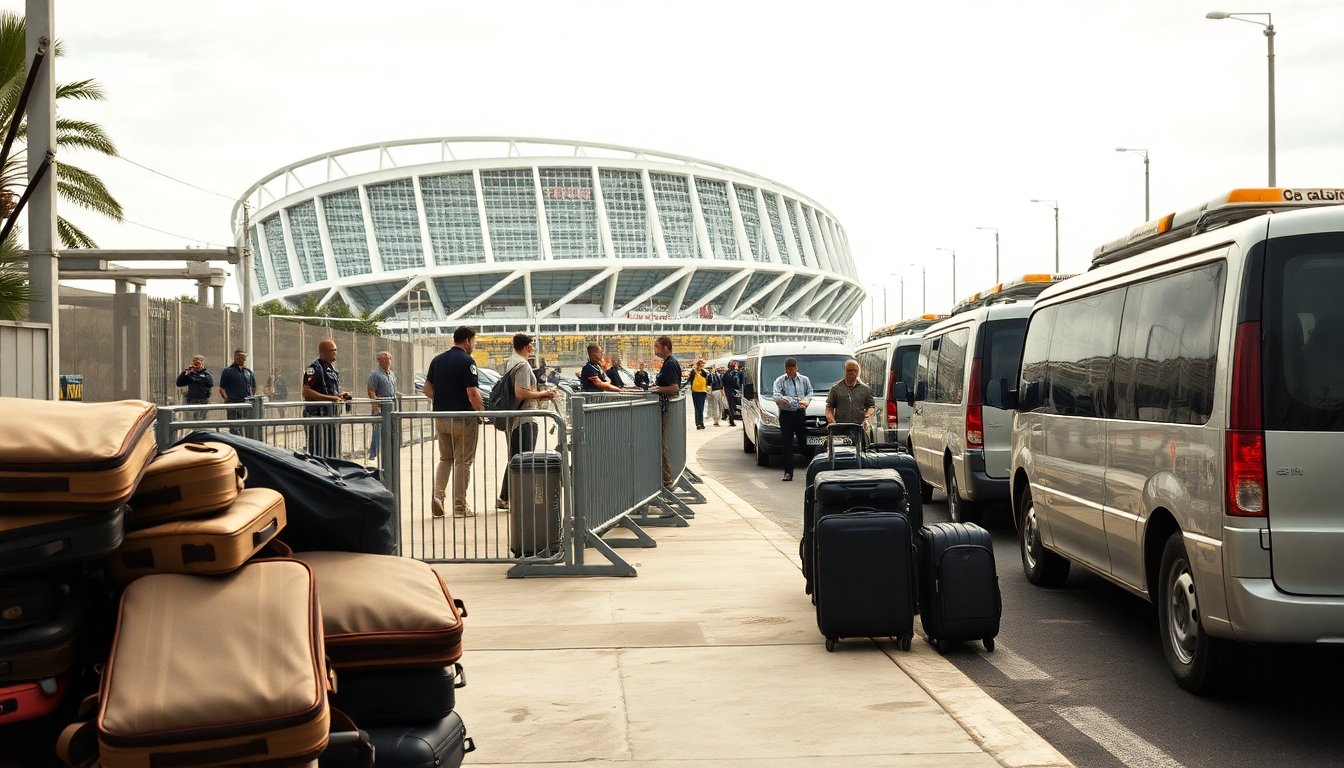
Pressure is concentrated at transport hubs, stadium precincts and hospitality districts—places where one disruption can cascade through the system. Organizers are redesigning transport routes, shrinking open-access fan zones in favor of ticketed, managed areas and revising emergency-response playbooks. For teams, that means stricter accommodation and travel protocols; for supporters, reworked entry rules and scaled-back public programming; and for residents of host cities, a noticeable uptick in policing and crowd-management measures during the tournament.
Geopolitics and contingency planning
Diplomacy has become a working part of operations. Geopolitical tensions—most immediately, military activity connected to one qualified nation—have prompted travel advisories and spurred contingency planning at the highest levels. Security agencies and tournament officials are drawing up alternative routes and lodging arrangements in case a team needs to be rerouted. Such moves would be disruptive logistically and fraught diplomatically, so planners are balancing the need for caution with a desire to keep the schedule intact.
Security concerns closer to home
Local security issues are also reshaping preparations. Violence linked to organized crime in regions of Mexico, for example, has led federal and municipal forces to beef up patrols around Guadalajara and other host cities. Authorities insist matches can proceed safely and point to reinforced corridors around stadiums and fan hubs; still, international bodies and national associations are watching the situation closely and weighing extra safeguards where needed.
The fan experience and commercial fallout
Fans and small businesses are feeling the ripple effects. Several U.S. host cities have pared back public fan festivals to concentrate security resources on stadiums—good for control, bad for vendors and hospitality venues that rely on the crowds. Ticketing has added another layer of frustration: despite official sellouts, resale markets list seats for well over $1,000. A limited release of lower-priced tickets through national federations calmed some voices, but consumer groups continue to press for fairer access and affordability.
What organizers are prioritizing
Organizers say the aim is straightforward: protect participants and spectators while delivering the tournament on schedule. That has translated into tighter perimeter control, more ticketed events to reduce open crowds, and contingency routing for teams and officials. The trade-off is less spontaneity and fewer large, free fan zones—but proponents argue the trade keeps the event safer and more predictable.
Looking ahead
With kickoff days away, much will hinge on execution and communication. Smooth transport flows, visible but proportionate security, and clear, timely guidance to fans and teams can limit disruption. But the tournament’s scale means surprises are likely. Expect more short-notice changes as officials respond to on-the-ground realities; for visitors and locals alike, adaptability will be the watchword.