
Table of Contents
keyword1 is increasingly central to contemporary lifestyle conversations. People are seeking meaning beyond speed and accumulation. This article maps practical ways to integrate keyword2 into daily routines and explains why keyword3 matters for long-term wellbeing. In the beauty world, it’s known that rituals and intentional pacing shape both appearance and mental health. Industry experts confirm that small, repeatable practices reduce stress and improve focus. The trend that’s taking over reframes time as a resource to steward rather than a task to conquer.
The trend that’s taking over
The pushback against constant connectivity and relentless productivity is not new. It echoes movements such as the 19th-century Arts and Crafts and mid-20th-century simple living advocates. Today, slow living functions as a pragmatic response to burnout and fractured attention. Practitioners prioritize quality over quantity: deeper meals, unhurried conversations and curated schedules that protect creative energy. Embracing keyword1 helps reclaim time as a resource rather than an adversary. Those in fashion know how pace shapes aesthetic choices and daily rituals.
Concrete morning and evening rituals to anchor your day
Those in fashion know how pace shapes aesthetic choices and daily rituals. Build on that idea with compact, repeatable actions that require little willpower and yield steady returns. Begin with a five-minute morning pause: hydrate, perform gentle stretches, and choose one prioritized task. Close the day with a digital curfew and a short journaling practice that turns replay into reflection. Industry experts confirm that small, consistent practices create durable structure. For Gen Z readers, these rituals can translate hectic schedules into manageable rhythms without sacrificing spontaneity.
Morning micro-habits that set intention
Start each morning by signalling intention to your brain. A brief sequence works best: drink water, expose yourself to natural light, and list a single prioritized task. Keep the sequence under five minutes. The aim is to reduce decision fatigue and to build momentum before social media and notifications arrive. The trend that’s taking over among productivity coaches is minimizing friction. Small wins early in the day increase focus and lower stress. Over weeks, these micro-habits embed keyword2 into daily life and make larger changes more achievable.
Evening practices that promote reflection
End the day with rituals that separate work from rest. Implement a digital curfew at least 30 minutes before bed to reduce cognitive stimulation. Follow with a three- to five-minute journaling exercise that records one success and one learning. This brief habit shifts the mind from rumination to appraisal. Industry experts confirm that concise reflection improves sleep quality and emotional regulation. Adapt the timing to school schedules and extracurriculars to keep the practice sustainable for teens.
Practical checklist and adaptation tips
Create a simple checklist to track consistency: morning pause, prioritized task, digital curfew, brief journal entry. Use reminders that respect your routine, such as alarm labels or calendar alerts. Those who travel or have variable days can compress rituals into pocket formats: a water bottle, a two-minute stretch, and voice memos for nightly reflections. The most innovative brands focus on low-effort designs that support habit persistence. Expect gradual improvement; small, repeatable acts compound into lasting routines and make space for creativity.
Design your environment for slower choices
Expect gradual improvement; small, repeatable acts compound into lasting routines and make space for creativity. Now extend that logic to the spaces you inhabit. In the beauty world, it’s known that surroundings cue behavior. Arrange rooms so actions require deliberate movement, not reflex. Industry experts confirm that visual and tactile prompts reduce decision fatigue and invite calmer choices.
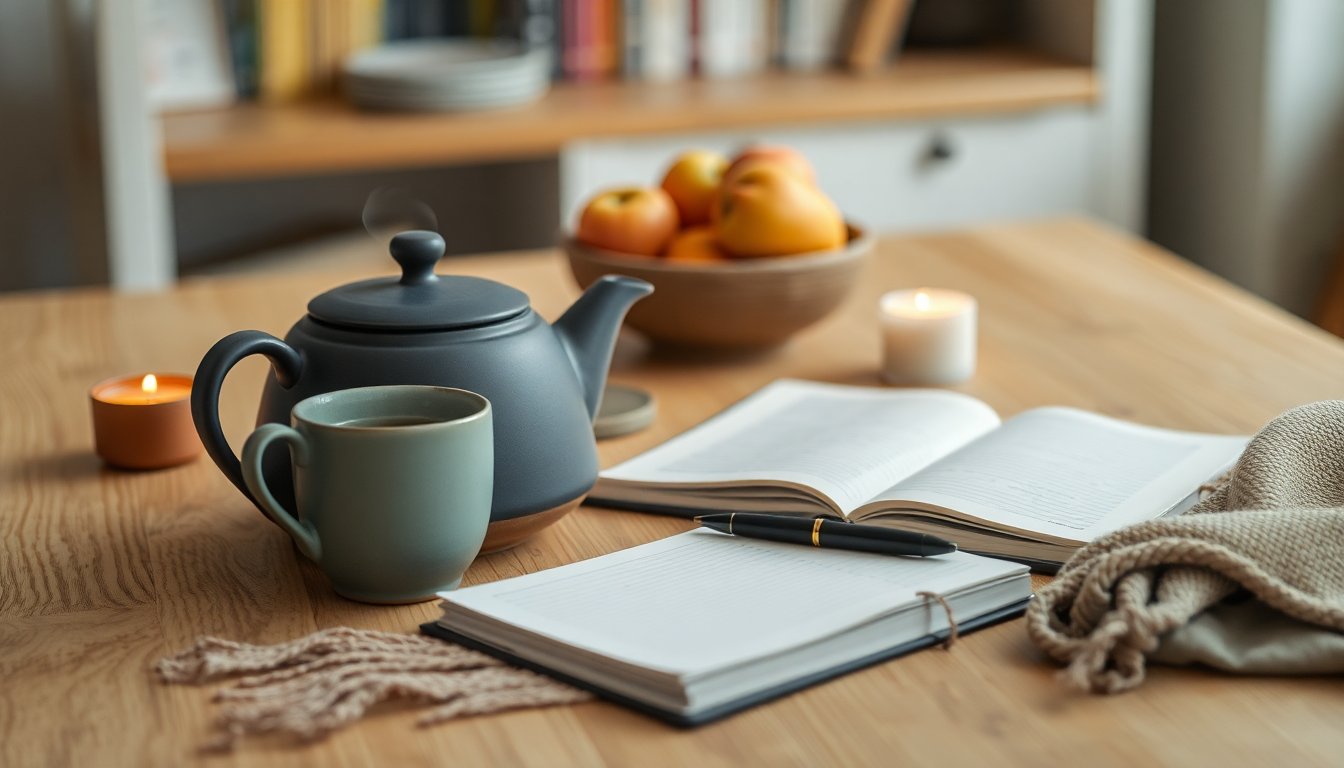
Begin by removing obvious distractions. Clear surfaces of chargers and random devices. Create one dedicated surface for daily essentials. Choose objects that invite touch: a linen throw, a ceramic mug, a plant with visible growth. Those tactile items act as gentle reminders to pause. Make one corner phone-free to encourage uninterrupted thought. These modest changes lower friction and make keyword3 the default, not the exception.
When redesigning, think in scenarios rather than rooms. How does the space support reading, reflection, or focused work? Place a comfortable chair near a lamp where you naturally sit to plan your day. Swap bright, attention-grabbing items for muted tones that calm the eye. The trend that’s taking over in mindful design favors functionality over clutter.
Expert insights advise incremental shifts. Start with one zone for slower choices and observe the effect for a week. If habits stick, expand to another area. Practicality wins: small, intentional edits compound into a home that guides better decisions and sustains creative energy.
cultural cues: what we can learn from other rhythms
Practicality wins: small, intentional edits compound into a home that guides better decisions and sustains creative energy. Building on that premise, look to cultural models that normalize gentler tempos and sustained presence. In the beauty world, it’s known that practices rooted in daily habit matter more than occasional rituals. Industry experts confirm that adopting underlying principles, rather than surface aesthetics, yields durable change. The trend that’s taking over among mindful communities emphasizes repeatable acts that shape time, attention and values.
expert insights on respectful adaptation
Those in fashion and lifestyle fields advise focusing on principles such as presence, modesty and artisan care. The Danish concept of hygge centers on warmth, conviviality and intentional comfort. The Japanese idea of wabi-sabi privileges simplicity, imperfection and the acceptance of transience. Experts warn against aesthetic appropriation and recommend translating values into local, context-sensitive practices instead. Practical steps include prioritizing communal meals, supporting local craftspeople, and designing rituals around care rather than costume.
how to embed slowness without borrowing style
Start by asking what each borrowed element actually does: does it encourage presence, reduce choice overload, or strengthen relationships? Convert those functions into actions suited to your environment. For example, replace single-use decor cues with shared routines—weekly shared meals, slow-making hobbies, or time-blocked device-free hours. Emphasize process over props and skill-building over surface styling. Those changes make slowness accessible, ethical and sustainable, and they align with the creative, practical habits already forming in young lives.
Looking ahead, expect designers and educators to refine culturally informed frameworks that privilege function over form. The most innovative brands focus on tools that teach durable practices. Adopting tested principles while respecting origins helps embed quiet, sustainable rhythms into everyday life.
practical rules to maintain progress without perfectionism
Adopting tested principles while respecting origins helps embed quiet, sustainable rhythms into everyday life. Those in fashion and design know that small, repeatable actions shape larger habits. Industry experts confirm that consistency, not intensity, produces durable change. For Gen Z readers seeking practical steps, this section translates theory into a short, doable framework. The guidance below focuses on three weekly anchors, simple tracking, and accountable sharing designed to protect energy and sustain momentum over time.
the three weekly anchors
Set three non-negotiables each week: a social connection, a creative hour and a restorative ritual. Social connection can be a 20-minute call or a walk with a friend. A creative hour means low-pressure making, such as sketching, journaling or experimenting with music. A restorative ritual might be a short evening routine, breathwork or a device-free meal. The aim is sustainable repetition, not flawless execution.
track qualitatively, not obsessively
Track progress with simple qualitative checks. Ask whether the week felt more grounded, focused or calm. Use a single sentence journal entry twice weekly to record one change in mood or behaviour. This lightweight approach avoids the perfectionist trap of metrics while preserving reflection. Over time, small iterations accumulate and transform routine into a practice built on keyword1, keyword2 and keyword3.
use accountability as a gentle lever
Share one attainable goal with a trusted friend or peer to create gentle accountability. Choose someone who understands the pace you want to keep. Industry experts confirm that external support increases follow-through without adding pressure. Keep check-ins brief and constructive: one update and one adjustment per week. Avoid treating accountability as another obligation.
how to iterate without extremes
Avoid extremes; the objective is steady, sustainable change. Make micro-adjustments when a practice feels burdensome. Swap a daily rule for a weekly anchor rather than abandoning the effort. In the beauty world, it’s known that consistent maintenance trumps occasional overhaul. Adopt one small ritual for 30 days, observe changes in decision-making, and refine the element that yields the clearest benefit.