
Headline: Trump frames a case for confronting Iran as U.S. quietly masses forces
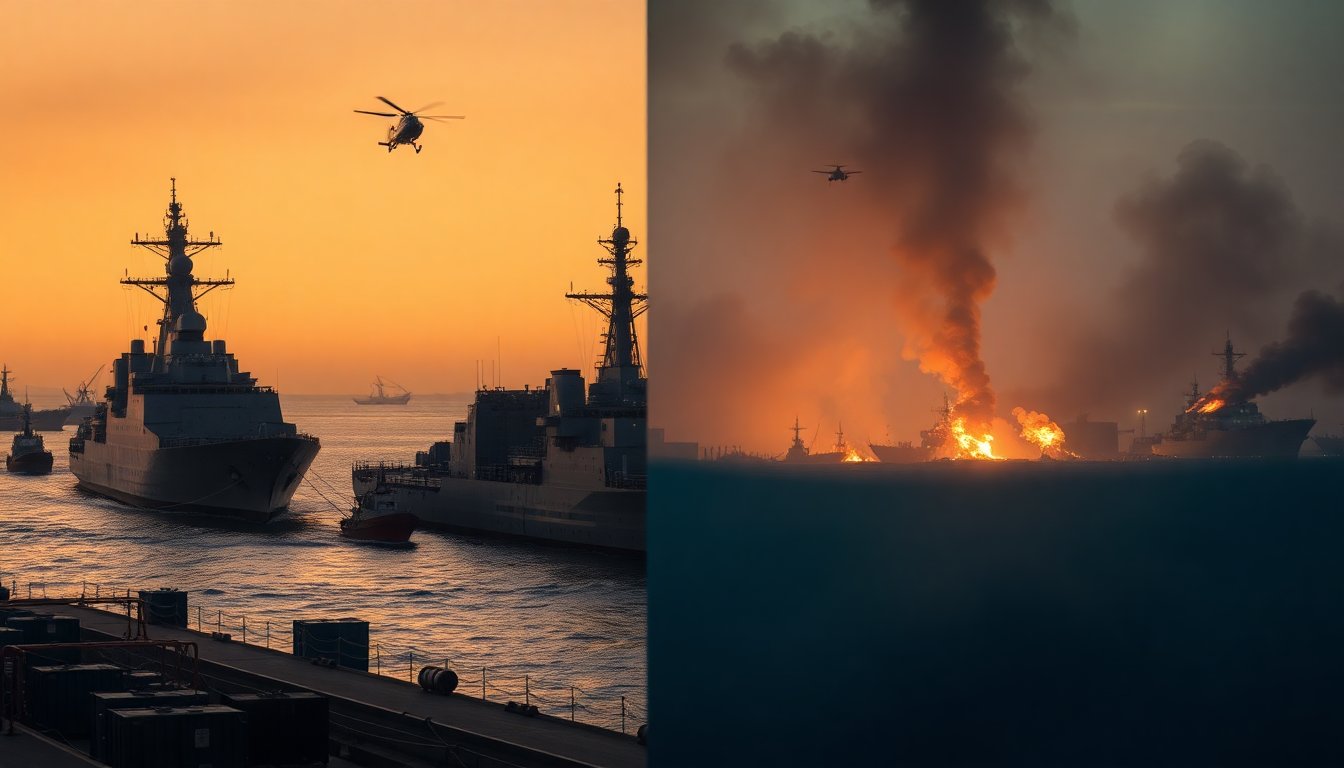
In his Feb. 25, State of the Union address, President Donald Trump labeled Iran “the world’s largest state sponsor of terrorism” and vowed the United States would not allow Tehran to obtain a nuclear weapon. Those remarks were more than rhetoric: while the president spoke, U.S. officials were quietly ordering a substantial military buildup in the region — repositioning ships and aircraft in what planners describe as preparations for a potential multiweek air campaign.
Officials describe the deployments as deterrence: meant to protect American troops and partners, keep shipping lanes open, and preserve military options if the situation deteriorates. Yet public briefings have been thin on strategic detail. That vagueness has prompted tough questions from lawmakers, legal experts and regional analysts about the operation’s objectives, the legal authorities that would govern strikes, and the domestic political calculus as the country heads toward midterm elections.
The consequences would ripple well beyond any battlefield. Heightened tension in the Middle East risks disrupting global supply chains, rattling energy markets and chilling investor confidence — prompting companies to accelerate contingency planning, diversify suppliers and retool logistics. At the same time, further escalation could inflict widespread humanitarian harm and damage critical civilian infrastructure across the region.
Inside Iran, unrest that began in late December over economic collapse and currency turmoil has broadened into an open challenge to the ruling establishment. Security forces swept up demonstrators in January; among those arrested was a 34-year-old phone repair technician charged under moharebeh, or “enmity against God.” Credible reports of violent detentions, allegations of torture and fast-tracked Revolutionary Court trials have drawn growing international scrutiny and human-rights concern.
Those domestic pressures shape Tehran’s options. Public ceremonies, funerals and university rallies have become arenas for competing narratives: the government trying to project cohesion while opponents use the same platforms to amplify grievances. Young Iranians have burned state flags and chanted against Supreme Leader Ayatollah Ali Khamenei on campuses such as Amir Kabir, the University of Tehran and Alzahra — gestures that suggest a generational fracture over personal freedoms and political change.
Washington, meanwhile, is divided. Senior military commanders counsel caution, warning that large strikes could trigger an unpredictable widening of the conflict. Some political advisers argue a show of force could reassure voters worried about security and deter adversaries. Others worry that a visible naval and air presence will dominate the news cycle, drowning out domestic priorities and complicating messaging on the economy as midterms approach.
For businesses the choice is practical, not partisan. Firms that have already mapped critical suppliers, stockpiled key inputs and diversified transport routes will be better positioned to ride out shocks than those that haven’t. Many companies are updating risk models, testing alternative routes and accelerating contingency plans to keep operations running if instability spreads.
Leaders in Tehran face a stark, costly choice: intensify repression to reassert control, or offer limited concessions to try to cool unrest — each path carrying significant political risk. Either approach will shape how both domestic audiences and foreign governments respond, and could determine whether a tense standoff remains limited or slides into wider confrontation.
The coming days will test strategy and restraint on both sides. With forces in place and political stakes high, decisions made in Washington and Tehran could reshape alliances, economies and lives across the region — for weeks or far longer.