
Table of Contents
The fight for recruits
Across roughly 1,250 kilometres of front, Ukraine’s units are locked in a quieter kind of battle: competing for volunteers. Billboards and metro adverts rub shoulders with targeted social posts, text alerts and private messages. The aim is not to sweep men off the streets but to persuade them to sign up willingly — and to steer away from the old pattern of sending barely trained conscripts straight into harm’s way.
What these campaigns promise is plain and persuasive: meaningful training, assignments that match skills and needs, and a sense that service will be treated with dignity. Formations with strong battlefield reputations — those that can point to gains or to a culture of looking after their people — attract noticeably more recruits than small, obscure units.
How the drive works
The first waves after the full-scale invasion in 2026 were driven by surges of civic energy: cities and regions sent tens of thousands volunteering. Over time the profile of recruits shifted. Younger men have been thinned by front-line rotations, casualties and emigration, so the average age of new draftees has risen. With a shrinking pool, reputation and branding have become currency: units with a clear identity or proven combat record can convert public sympathy and prestige into enlistments.
Recruitment teams mix modern marketing and old-fashioned appeals to duty and belonging. News of battlefield successes — and the losses that accompany them — feeds local conversations about where one might best serve. Commanders and policymakers now parse those public signals when deciding which units to back and what training standards to enforce.
Tactics on the ground
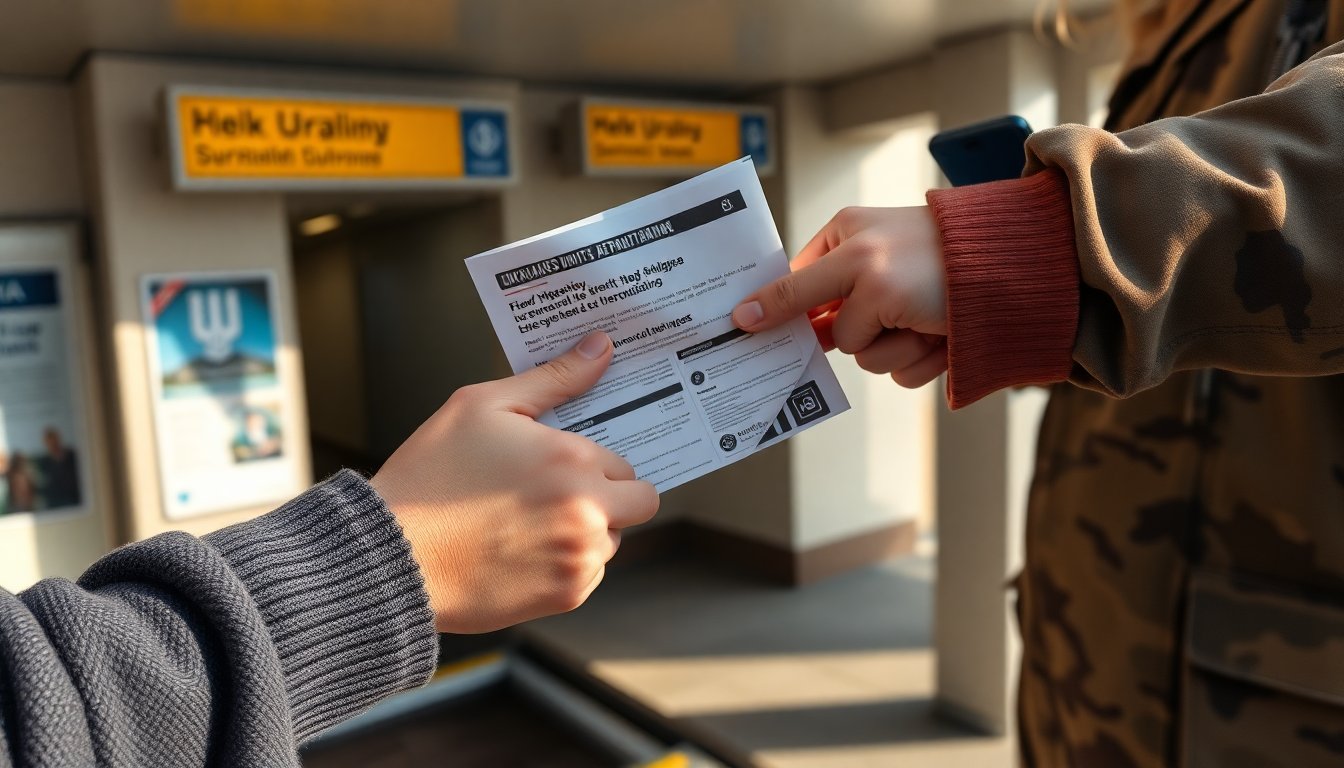
The campaigns are deliberately multimedia. Posters in city centres and ads on public transit are reinforced online by cinematic visuals and human-centred stories about soldiers’ roles and day-to-day life. Recruitment centres are being recast as welcoming spaces — more like community hubs than bureaucratic offices — where candidates get personalised assessments and are steered toward roles that fit their abilities.
That warmer atmosphere, combined with visible morale-building, helps convince people who might otherwise avoid service. Offers vary between formations. Some tout “soldier-centred” benefits — tailored training, transparent role-placement and a promise you’ll serve in the job you were trained for. Others emphasize tangible perks: better billets, improved medical care and unit-branded kit that fosters camaraderie.
Security considerations shape the pipeline. Online portals handle first-contact data; follow-ups often occur at undisclosed meeting points to protect recruits and operations. The balance between digital scale and face-to-face vetting is a constant calculation: reach as many as possible while controlling who actually arrives at the front.
Reputation, risks and rewards
Reputation does more than fill recruitment quotas. When a unit builds a strong identity, it influences where people choose to serve, which in turn alters manpower distribution across the front. That ripple affects casualty rates, unit cohesion and operational sustainability. Officials are watching placement trends closely, using them to judge whether current recruitment and training practices are strengthening or straining
Azov’s evolution and controversy
The story of Azov, now transformed into the First National Guard Corps, illustrates how fraught reputation can be. Critics — and Russian propaganda — point to far-right roots; commanders insist extremist elements have been purged. Independent verification is sparse, and the debate remains contentious. Heavy battlefield losses and the capture of fighters have fed a potent martyrdom narrative, which has paradoxically boosted domestic sympathy and recruitment. Meanwhile, detainee cases held by Russia keep the controversy alive and unresolved.
Avoiding rushed conscription
Field reports show many eligible men still try to dodge conscription through bribery, concealment or migration. Some are rounded up and sent into rapid, abbreviated training near mobilization centres — courses that several witnesses describe as leaving conscripts ill-prepared for the front. That contrast makes formations offering structured, role-specific preparation more attractive; recruits prefer to avoid the uncertainty of being rushed into unsuitable jobs.
A policy fault line: universal training?
What these campaigns promise is plain and persuasive: meaningful training, assignments that match skills and needs, and a sense that service will be treated with dignity. Formations with strong battlefield reputations — those that can point to gains or to a culture of looking after their people — attract noticeably more recruits than small, obscure units.0
Battlefield context and what to expect
What these campaigns promise is plain and persuasive: meaningful training, assignments that match skills and needs, and a sense that service will be treated with dignity. Formations with strong battlefield reputations — those that can point to gains or to a culture of looking after their people — attract noticeably more recruits than small, obscure units.1
Looking ahead
What these campaigns promise is plain and persuasive: meaningful training, assignments that match skills and needs, and a sense that service will be treated with dignity. Formations with strong battlefield reputations — those that can point to gains or to a culture of looking after their people — attract noticeably more recruits than small, obscure units.2